
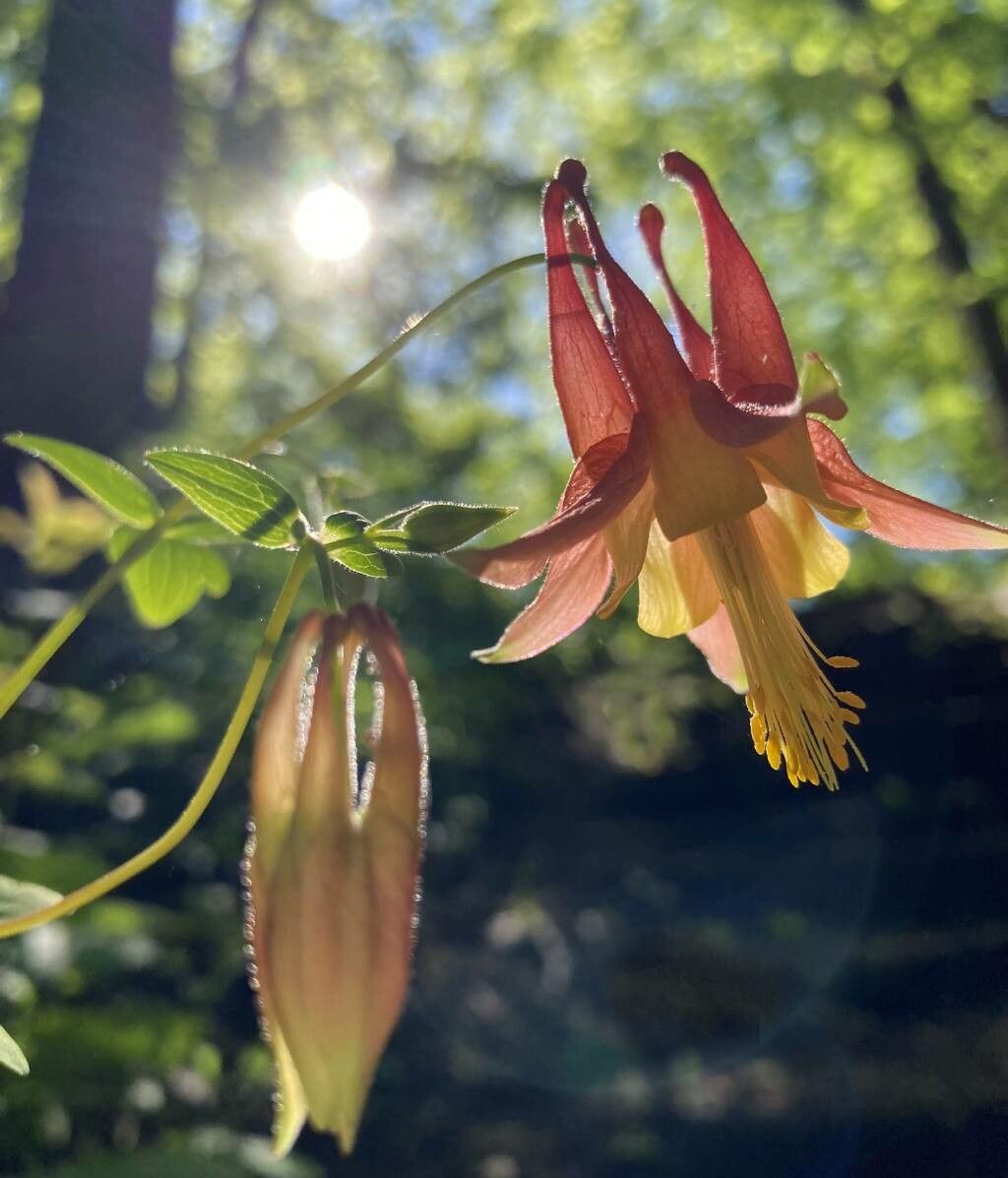
Propagating the Wild Columbine: A Gardener’s Guide to Aquilegia canadensis
Introduction:
Aquilegia canadensis, commonly known as the Canadian Columbine or Red Columbine, is a captivating native North American wildflower prized for its delicate, pendant blossoms boasting a striking combination of red and yellow. Its spurred petals, resembling tiny spurs, attract hummingbirds, adding to its appeal for gardeners. While readily available as plants, propagating Aquilegia canadensis offers a rewarding challenge and the satisfaction of nurturing these beauties from seed or cuttings. The inherent variability within seed-grown plants offers an exciting element of surprise, with offspring potentially showcasing unique color variations.
Seed Germination:
Seed germination is a viable method for propagating Aquilegia canadensis, though it presents some challenges. The seeds possess a hard seed coat that can inhibit germination. This necessitates a process called stratification, mimicking the natural winter conditions that break dormancy.
Challenges: The primary challenge lies in achieving consistent germination rates. Seed viability can vary, and improper stratification can significantly hinder success.
Practical Tips: Seeds benefit from cold stratification for 6-8 weeks. Mix seeds with moist vermiculite or peat moss in a sealed container and refrigerate them. After stratification, sow seeds thinly onto a well-draining seed starting mix, covering them lightly with soil. Maintain consistent moisture and high humidity (e.g., using a propagation dome), keeping the temperature around 65-70°F (18-21°C). Germination typically occurs within 2-4 weeks after stratification.
Rewards: Successfully germinating Aquilegia canadensis seeds yields a high degree of genetic diversity, allowing for the potential creation of unique color variations and plant forms. This method is also cost-effective for large-scale propagation.
Cuttings:
Currently, there are no known reliable methods for propagating Aquilegia canadensis from cuttings. The success rate is very low, and rooting hormones have not consistently proven effective.
Division:
Division is a relatively straightforward method for propagating established Aquilegia canadensis plants.
Challenges: Division is most effective when the plant is actively growing in spring or early fall. Improper division can damage the root system, hindering plant survival.
Practical Tips: Carefully divide the root crown using a sharp, clean knife or spade, ensuring each section retains healthy roots and several stems. Replant the divisions immediately in well-prepared soil, keeping them well-watered until established.
Rewards: This method provides a quicker route to establishing new plants compared to seed germination, although the genetic diversity is limited as all offspring will be clones of the parent plant.
Tissue Culture:
Tissue culture propagation for Aquilegia canadensis is a complex process requiring specialized equipment, sterile conditions, and expertise in plant tissue culture techniques. It is generally not a practical method for home gardeners.
Challenges: Establishing a sterile environment and maintaining aseptic conditions is crucial but demanding. The process requires specific media formulations and growth regulators, and the success rate can vary considerably.
Practical Tips: This method should only be attempted by experienced tissue culture professionals.
Rewards: Tissue culture provides the ability for large-scale, rapid propagation of disease-free plants, crucial in commercial applications.
Conclusion:
Propagating Aquilegia canadensis presents distinct challenges and rewards depending on the chosen method. Seed germination, while offering genetic diversity, requires patience and careful attention to stratification. Division provides a quicker, though less diverse, approach. Cuttings and tissue culture are not practical home propagation options. The unique satisfaction of successfully cultivating this beautiful plant arises from overcoming these challenges, from the anticipation of germination to the flourishing of new blossoms. For aspiring cultivators, start with division if you have a mature plant, or embrace the gamble and rewards of seed propagation. Remember patience and persistence are key; the beauty of the resulting blooms will far outweigh the effort.