
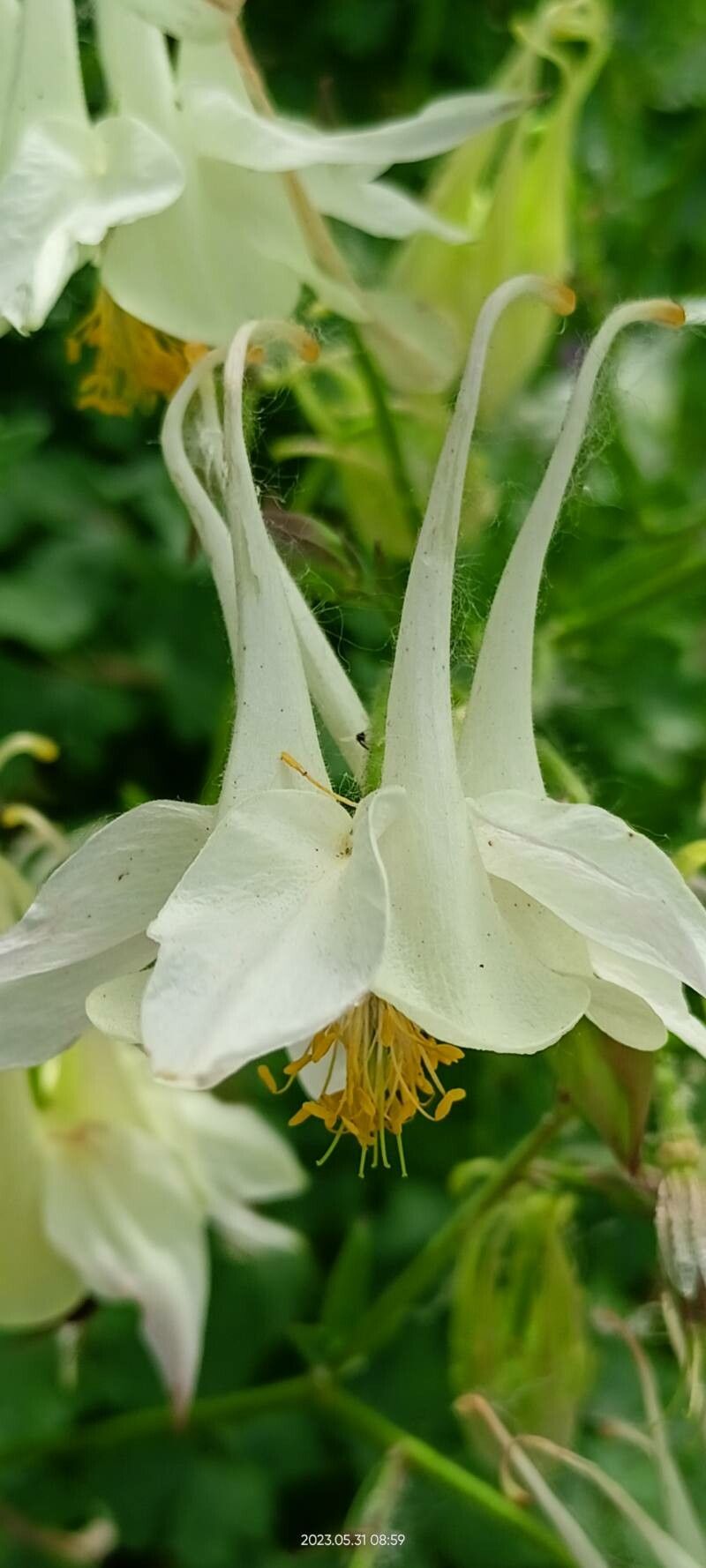
Taming the Wild Beauty: Propagating the Elusive Alpine Columbine (Aquilegia pubescens)
The alpine columbine, Aquilegia pubescens, is a true jewel of the high country. Found clinging to rocky slopes at altitudes above 9,000 feet, this wildflower enchants with its nodding, bell-shaped blossoms of creamy white or pale yellow, often tinged with a delicate pink blush. For plant enthusiasts eager to introduce this wild beauty into their gardens, propagation offers a rewarding, albeit slightly challenging, endeavor.
Seed Propagation: A Dance with Patience
Propagating Aquilegia pubescens from seed is the most common method, but it requires a touch of patience. Here’s how it’s done:
- Gathering Seeds: Ideally, collect seeds from established plants in late summer or early fall. Gently shake the seed heads into a paper bag – you’ll hear the ripe seeds rattling inside.
- Breaking Dormancy: Alpine columbine seeds need a period of cold stratification to mimic their natural winter conditions. Place the seeds in a moistened paper towel, enclose them in a plastic bag, and store them in the refrigerator (around 40°F or 4°C) for 6-8 weeks.
- Sowing the Seeds: In spring, fill seed trays with a well-draining seed-starting mix. Sow the seeds on the surface and lightly press them down. Keep the soil consistently moist but not waterlogged.
- Patience is Key: Germination can take anywhere from a few weeks to several months. Be patient and don’t give up!
- Transplanting: Once the seedlings have developed a couple of sets of true leaves, carefully transplant them into individual pots or directly into your garden after the last frost has passed.
Division: A Gamble for Established Plants
Dividing established clumps of Aquilegia pubescens is possible but not always successful. This method is best suited for experienced gardeners:
- Timing is Everything: Divide plants in early spring or fall when the weather is cool and moist.
- Careful Excavation: Gently dig up the entire clump, ensuring you retain as much of the root system as possible.
- Division and Replanting: Carefully separate the plants, ensuring each division has a healthy root system. Replant them immediately at the same depth they were previously growing.
Creating the Ideal Environment
Whether you choose seeds or division, replicating the alpine columbine’s natural habitat is crucial for its success:
- Sun and Shade: While Aquilegia pubescens enjoys sunshine, it prefers dappled shade, particularly during the hottest hours of the day.
- Well-Drained Soil: Mimic its rocky habitat by providing excellent drainage. Amending heavy soils with sand or gravel is beneficial.
- Regular Moisture: Water regularly, especially during dry periods, but never let the soil become waterlogged.
A Rewarding Challenge
Propagating Aquilegia pubescens might require a little extra care compared to some other wildflowers, but the reward of seeing these delicate blossoms grace your garden is well worth the effort. With patience and an understanding of its needs, you can successfully bring a touch of the alpine world to your own backyard haven.