
Propagating the Pyrenean Columbine (Aquilegia pyrenaica): A Gardener’s Guide
Introduction:
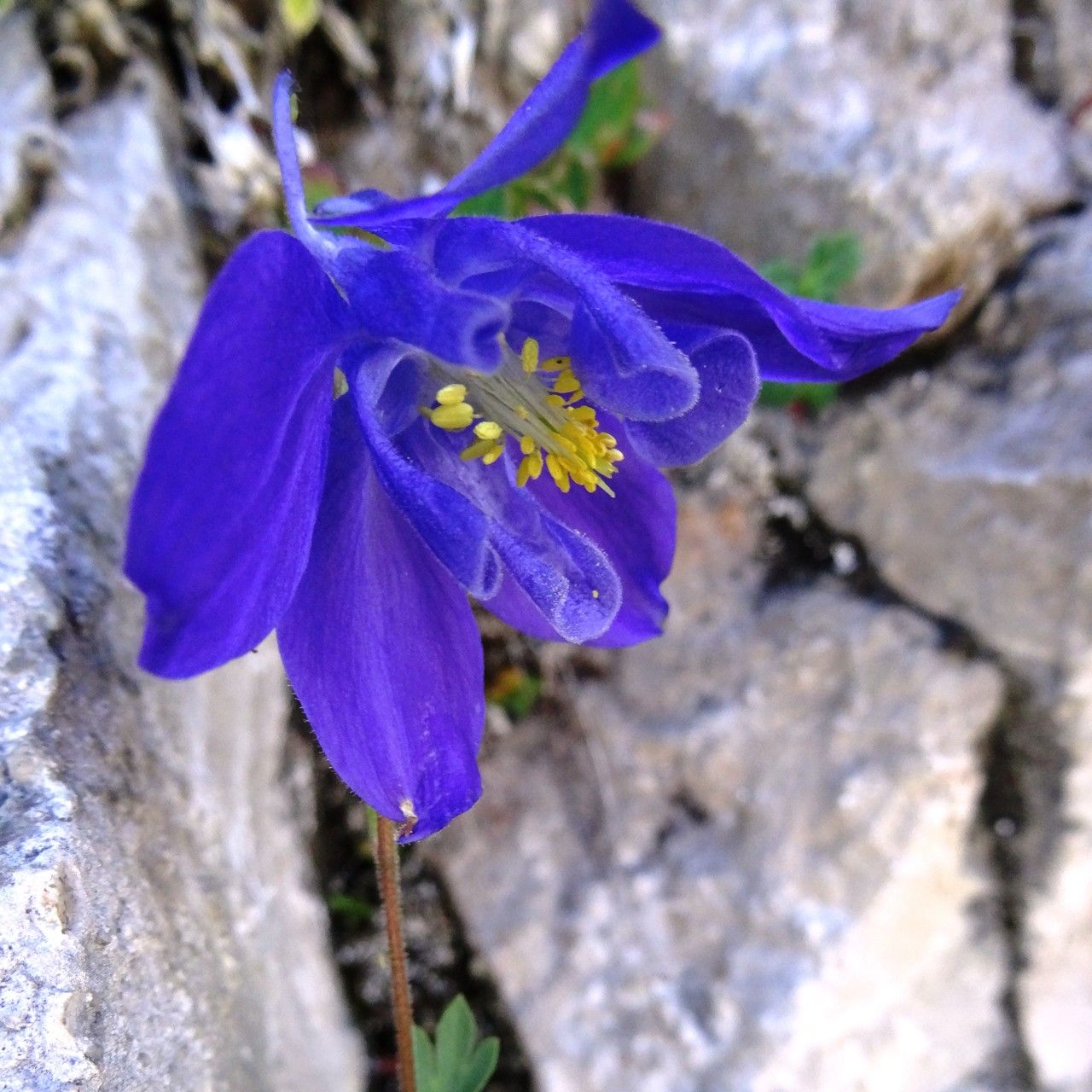
Aquilegia pyrenaica, commonly known as the Pyrenean Columbine, is a captivating alpine plant prized for its delicate, bell-shaped flowers and ferny foliage. Native to the Pyrenees mountains, its unique charm, characterized by its vibrant blue-violet to purple flowers with a distinctive spur, makes it a highly sought-after addition to rock gardens, alpine troughs, and woodland borders. While not as commonly cultivated as some other Aquilegia species, its rarity enhances its appeal among gardeners. However, its propagation presents certain challenges, making successful cultivation all the more rewarding.
Seed Germination:
Seed germination is a viable method for propagating Aquilegia pyrenaica, but it presents challenges. The seeds often exhibit a period of dormancy and require stratification to break this dormancy successfully.
Challenges: Low germination rates are common if stratification is not performed correctly. Seeds can be prone to fungal diseases if sown in overly moist conditions.
Practical Tips: Stratification is crucial. Mix seeds with moist vermiculite or peat moss and place them in a sealed bag in the refrigerator for 6-8 weeks at temperatures around 3-4°C (37-39°F). After stratification, sow seeds thinly onto a well-drained seed-starting mix, covering lightly with vermiculite or fine grit. Maintain consistent moisture but avoid waterlogging. Germination typically occurs within 4-6 weeks after sowing. Keep seedlings in a cool, bright location but avoid direct sunlight.
Rewards: Seed propagation offers the advantage of genetic diversity, allowing for the potential creation of unique variations within the species. It also enables large-scale propagation if successful, making it a good option for growers aiming for larger quantities.
Cuttings:
Currently, there are no known reliable methods for propagating Aquilegia pyrenaica from cuttings. Aquilegias are notoriously difficult to propagate from cuttings due to their low rooting success rate.
Division:
Division is a potentially viable method, but carries its own set of challenges.
Challenges: Aquilegia pyrenaica, like many alpine plants, often forms a compact root system that doesn’t readily lend itself to division. Severely disrupting the root system can lead to plant death.
Practical Tips: Division should only be attempted when the plant is actively growing, preferably in spring or early autumn. Carefully dig up the entire plant and gently separate it into smaller sections, ensuring each division has a healthy portion of roots and shoots. Replant immediately in suitable, well-drained soil, keeping them well-watered until established.
Rewards: Division offers a faster propagation method compared to seed germination, and it maintains the existing genetic characteristics of the parent plant. However, the number of propagules obtained is limited by the size of the parent plant.
Tissue Culture:
Tissue culture propagation remains largely unexplored for Aquilegia pyrenaica. While it holds the potential for large-scale and rapid propagation, it requires specialized knowledge, equipment, and sterile laboratory conditions, making it an impractical solution for the average gardener.
Conclusion:
Propagating Aquilegia pyrenaica presents unique challenges and rewards. Seed germination, though requiring stratification, offers genetic diversity and the potential for large-scale propagation if approached carefully. Division is a viable option but must be executed with precision and consideration for the plant’s delicate root system. Cuttings and tissue culture remain largely unproven methods for this species.
The unique satisfaction of successfully cultivating this beautiful alpine plant from seed or division lies precisely in overcoming these challenges. The delicate unfolding of a Pyrenean Columbine seedling or the robust growth of a divided plant after careful attention are testament to the gardener’s skill and patience. Aspiring propagators should approach the task with research, patience, and a willingness to experiment, remembering that even small successes should be celebrated as milestones on the journey to cultivating this rare and beautiful treasure.