
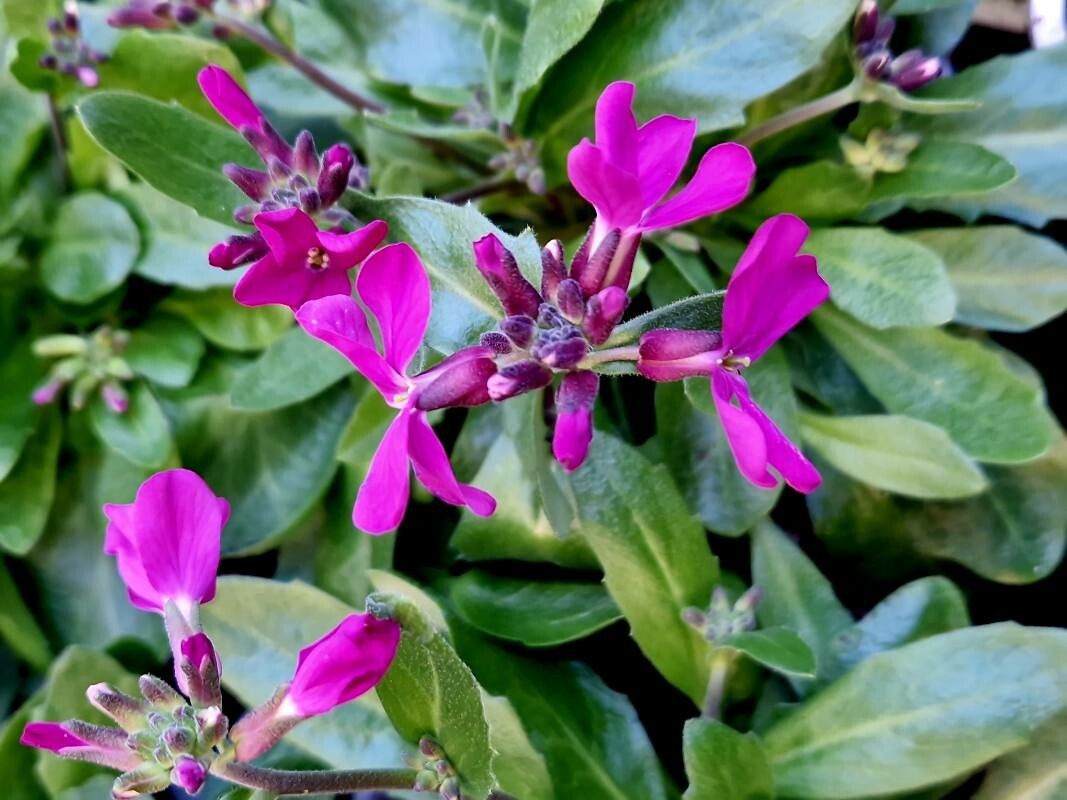
Paint Your Garden Pink: Propagating the Vibrant Arabis blepharophylla
Arabis blepharophylla, also known as Coast Rock Cress or, more charmingly, “Rose Delight,” is a low-growing, evergreen perennial coveted for its vibrant pink blooms and ability to thrive in rocky, seemingly inhospitable environments. But you don’t need a rocky cliffside to enjoy these beauties! Propagating Arabis blepharophylla is surprisingly straightforward, making it a rewarding addition for both beginner and experienced gardeners looking to add a splash of color to their outdoor spaces.
Why Propagate?
Propagation, the process of creating new plants from existing ones, offers several advantages:
- Cost-effective: Instead of purchasing multiple plants, you can multiply your existing stock for free!
- Preserves desirable traits: Propagation ensures your new plants retain the desired characteristics of the parent plant, like flower color and growth habit.
- Connects you to your garden: There’s something deeply satisfying about nurturing new life from an existing plant.
Methods for Success
1. Seed Starting:
- Timing is Key: Start your seeds indoors 6-8 weeks before the last frost date in your region.
- Sowing the Seeds: Use a well-draining seed starting mix and barely cover the seeds. Light is essential for germination.
- Maintain Moisture: Keep the soil consistently moist but not waterlogged. A spray bottle can be helpful for gentle watering.
- Transplanting: Once seedlings develop several sets of true leaves and the risk of frost has passed, gradually harden them off and transplant them outdoors.
2. Cuttings:
- When to Take Cuttings: The optimal time is late spring or early summer when the plant is actively growing.
- Making the Cut: Select healthy, non-flowering stems. Using a sharp, clean knife or pruning shears, take cuttings about 3-4 inches long. Remove the lower leaves to prevent them from rotting.
- Encouraging Roots: You can dip the cut end in rooting hormone (optional but helpful) and then plant the cuttings in a moist, well-draining potting mix.
- Creating a Humid Environment: Cover the cuttings with a plastic bag or humidity dome to retain moisture and promote rooting.
- Transplanting: After several weeks, gently tug on a cutting – resistance indicates root development. Once roots are established, you can transplant the new plants.
3. Division:
- Best Time for Division: Early spring or fall, when the plant is not in active bloom, is the ideal time.
- Dividing the Plant: Carefully dig up the entire plant and gently tease apart the root ball into smaller sections, ensuring each division has healthy roots and shoots.
- Replanting: Replant the divisions at the same depth they were originally growing.
Tips for Thriving Arabis
No matter your chosen propagation method, these tips will help your new Arabis plants thrive:
- Well-draining soil: Arabis hates “wet feet,” so ensure excellent drainage. Amending heavy soils with sand or grit can help.
- Sun is Best: Full sun to partial shade is ideal for optimal flowering.
- Keep it Trimmed: Deadhead spent blooms and lightly prune after flowering to maintain plant shape and encourage bushier growth.
Propagating Arabis blepharophylla is a rewarding experience that allows you to expand your garden with minimal effort. By following these simple techniques, you’ll soon have a vibrant display of these pink beauties adding a touch of charm and cheer for years to come!