
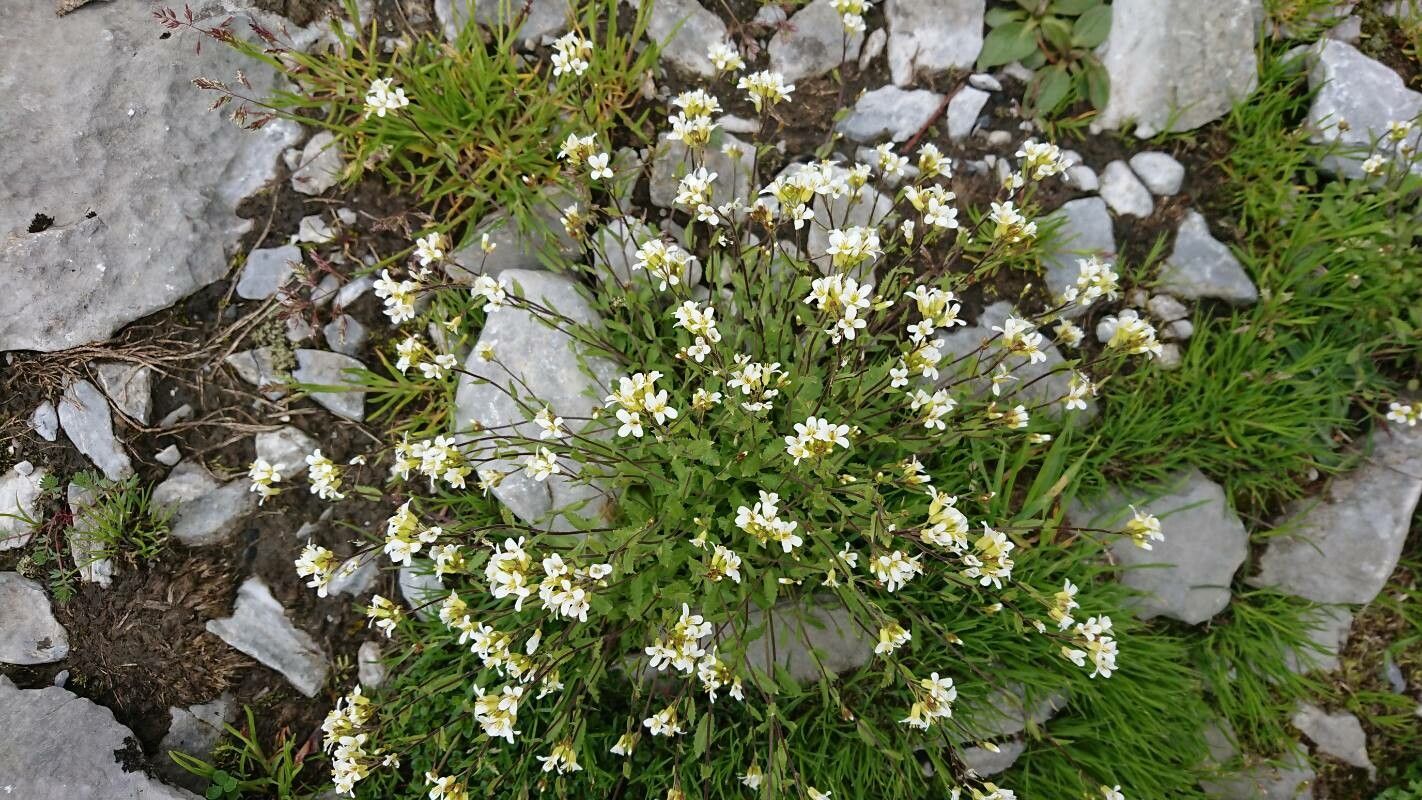
Propagating Arabis pumila: A Gardener’s Guide to the Snow Carpet
Arabis pumila, commonly known as the snow carpet or dwarf arabis, is a charming evergreen perennial prized for its low-growing habit, dense foliage, and profusion of small, white flowers in spring. Its ability to form a dense, mat-like groundcover makes it a popular choice among gardeners for blanketing slopes, edging borders, or creating a stunning spillover from raised beds. Its hardiness and low maintenance requirements further enhance its appeal, but propagating this delightful plant can present some unique challenges.
Seed Germination:
Currently, there are no known reliable methods for seed germination propagation of Arabis pumila. While seeds may be produced, the germination rate is notoriously low, and seedling vigor is often poor. Many seeds fail to germinate even under optimal conditions, making this method impractical for most gardeners.
Cuttings:
Cuttings offer a far more reliable method for propagating Arabis pumila.
Challenges: Success relies on selecting healthy, non-flowering shoots and employing the correct techniques to prevent rot. The cuttings are relatively slow to root.
Practical Tips: Take 4-6 inch long stem cuttings in spring or early summer from the current season’s growth. Remove lower leaves to prevent rot, and dip the base in a rooting hormone powder. Plant the cuttings in a well-draining seed-starting mix or a mixture of perlite and peat moss, ensuring good contact between the cutting and the medium. Maintain consistently moist but not soggy conditions and provide high humidity (a cloche or propagator is beneficial). Rooting typically takes several weeks.
Rewards: Cuttings offer a high success rate compared to seed germination, allowing for the rapid propagation of desired cultivars and maintaining the plant’s exact genetic characteristics.
Division:
Division is another effective method for propagating Arabis pumila, especially for established plants.
Challenges: Overly vigorous division can damage the plant’s root system, potentially leading to delayed growth or even plant loss. The right time of year is crucial for success.
Practical Tips: Divide established plants in spring or early autumn. Use a sharp, clean tool to carefully separate the plant into smaller sections, ensuring each division has healthy roots and shoots. Replant the divisions immediately, ensuring good soil contact and watering thoroughly.
Rewards: Division is a relatively quick and easy method, particularly suitable for increasing the number of plants within a garden already containing the species. This method preserves the plant’s genetic identity as well.
Tissue Culture:
Tissue culture offers a potential but complex method for propagating Arabis pumila.
Challenges: This method requires specialized equipment, sterile conditions, and a detailed understanding of plant tissue culture techniques. It’s a highly technical method requiring specific expertise and resources.
Practical Tips: A clean laboratory environment and specialized media are essential. Small sections of plant tissue from sterile shoot tips or leaf buds must be used as explants to initiate growth. Hormones are used to stimulate shoot and root development. The success depends greatly on the skill and knowledge of the propagator and the available resources.
Rewards: Tissue culture allows for mass propagation of desirable cultivars and the potential for disease-free plant material, offering the possibility for large-scale commercial propagation.
Conclusion:
Propagating Arabis pumila presents unique challenges depending on the chosen method. While seed germination is unreliable, cuttings and division offer viable and relatively straightforward techniques for most gardeners. Tissue culture, while rewarding for large-scale propagation, remains a higher level skill requiring specialized resources. The initial investment in time and effort may seem challenging, but the satisfaction of successfully nurturing a new plant from a cutting or division is immensely rewarding. The vibrant, low-growing carpet of white blooms in the spring serves as a testament to the perseverance and care generously given to propagate this cherished garden plant. So embrace the challenges – you might be surprised by how easily you can expand your snow carpet across your garden.