
Propagating Aralia cordata: The Heartleaf Aralia’s Journey from Seed to Success
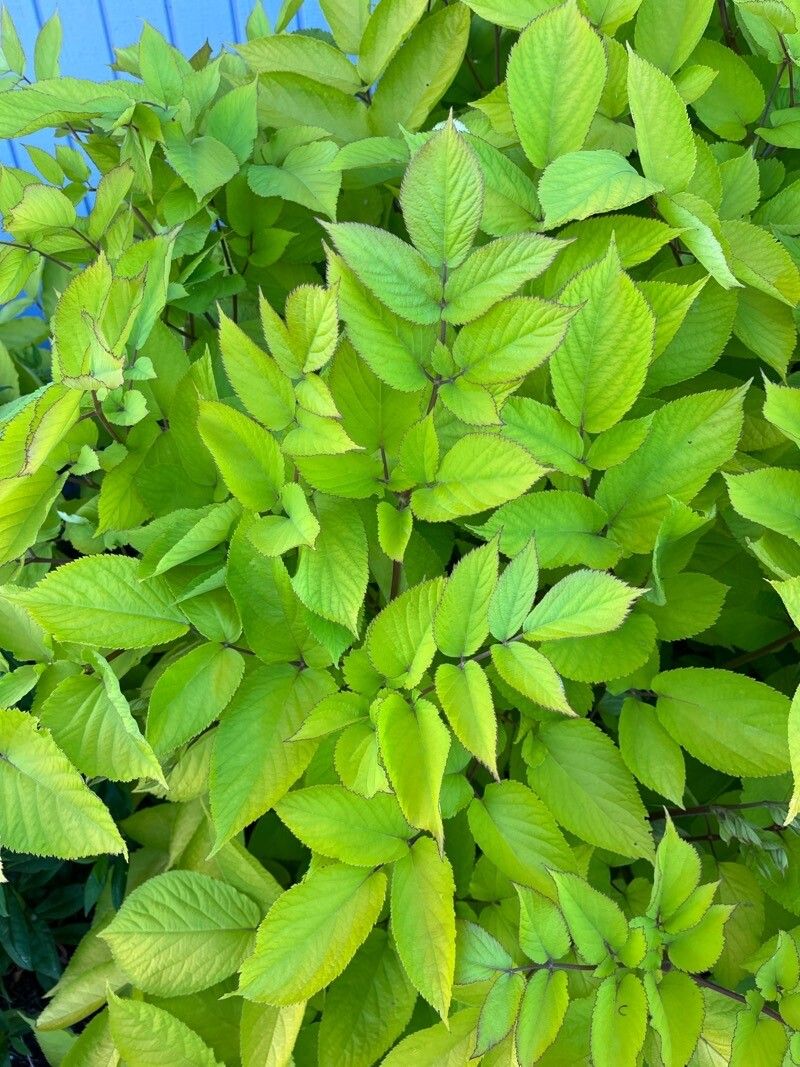
Aralia cordata, commonly known as wild sarsaparilla or heartleaf aralia, is a striking perennial prized for its large, heart-shaped leaves and vibrant clusters of white flowers followed by attractive black berries. Its shade tolerance and relatively low maintenance make it a popular choice for woodland gardens and naturalistic landscapes. However, its propagation presents unique challenges and rewards for the enthusiastic gardener. This article explores the various methods available, highlighting the difficulties and potential successes.
Seed Germination:
Currently, there are no known reliable methods for seed germination propagation of Aralia cordata. While the plant produces seeds, their germination rate is notoriously low, often hampered by dormancy requirements that haven’t been fully characterized. Efforts to stimulate germination through various stratification techniques (both warm and cold) have yielded inconsistent results. Thus, relying on seed propagation for Aralia cordata is not a practical approach for the average gardener.
Cuttings:
Cuttings offer a more reliable method for propagating Aralia cordata. However, success hinges on timing and technique.
Challenges: Rooting can be slow, and cuttings are susceptible to fungal diseases if not kept in a sterile and well-ventilated environment.
Practical Tips: Softwood cuttings taken in late spring or early summer, just as new growth emerges, show the highest success rate. Use a sharp, clean knife or shears to take 4-6 inch cuttings, removing lower leaves to prevent rot. Dip the cut ends in a rooting hormone powder and plant them in a well-draining, moist potting mix. Maintain high humidity (using a propagator or plastic bag) and warmth (around 70-75°F).
Rewards: Cuttings provide a relatively quick way to generate multiple plants that are genetically identical to the parent plant, preserving desirable traits.
Division:
Division is arguably the easiest and most reliable method for propagating Aralia cordata.
Challenges: This method is best suited for established plants with well-developed root systems. Dividing too early can weaken or even kill the parent plant.
Practical Tips: Early spring or late fall, during periods of dormancy, are ideal times for division. Carefully dig up the mature plant and gently separate the root clumps, ensuring each division has sufficient roots and healthy stems. Replant the divisions immediately in well-prepared soil, providing adequate moisture until they are established.
Rewards: Division is straightforward, offers high success rates, and allows for relatively rapid propagation of multiple plants.
Tissue Culture:
Tissue culture is a highly specialized method requiring sterile laboratory conditions and specialized equipment.
Challenges: This method necessitates skill, materials, and a controlled environment, making it impractical for most home gardeners.
Practical Tips: This method involves sterilizing plant tissue and growing it on a nutrient-rich agar medium in a sterile environment. Successful tissue culture requires precise control of temperature, humidity, and light.
Rewards: Tissue culture offers the potential for large-scale propagation and disease eradication.
Conclusion:
While seed germination presents considerable challenges, propagation of Aralia cordata via cuttings and division is achievable with moderate effort. Division offers the most straightforward and reliable approach for the average gardener. Tissue culture, although potentially rewarding on a large scale, remains outside the scope of most home gardeners. The satisfaction of successfully propagating Aralia cordata, whether through cuttings or division, comes from navigating the inherent challenges and ultimately witnessing the vibrant growth of these beautiful plants – a testament to patience, skill, and a connection with the natural world. For aspiring propagators, start with division and gradually experiment with cuttings. Don’t be discouraged by initial setbacks; persistence pays off in this rewarding gardening endeavor.