
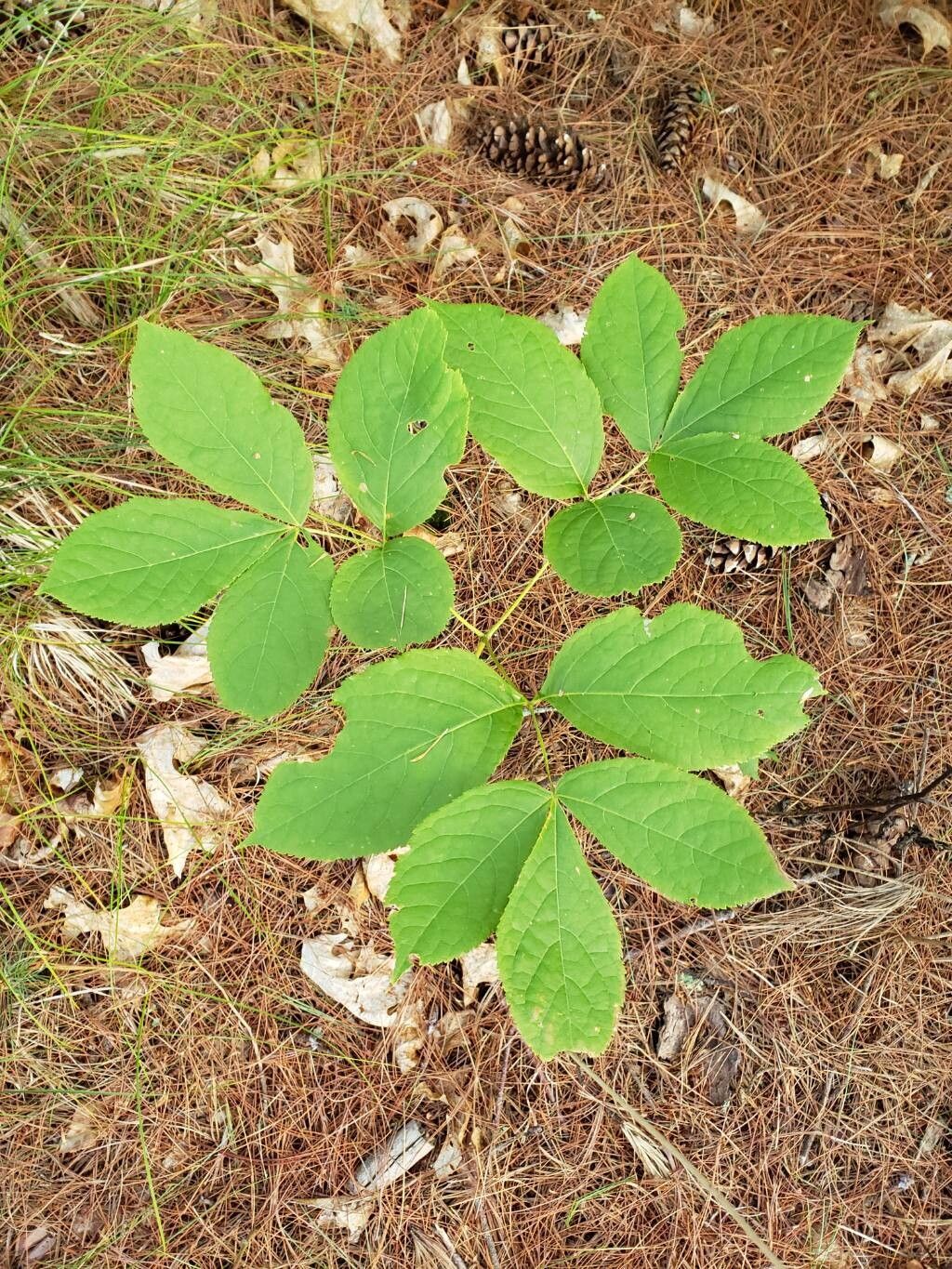
Propagating Wild Sarsaparilla (Aralia nudicaulis): A Gardener’s Guide
Introduction:
Aralia nudicaulis, commonly known as Wild Sarsaparilla, is a captivating native perennial prized for its delicate, compound leaves and understated elegance. Its low-growing habit and tolerance of shade make it a valuable addition to woodland gardens and naturalistic landscapes. While not as flamboyant as some flowering plants, its unique architectural form and persistent foliage provide year-round interest. Its propagation, however, presents certain challenges, making successful cultivation all the more rewarding. This article explores various methods for propagating Wild Sarsaparilla, highlighting both the difficulties and the triumphs.
Seed Germination:
Currently, there are no known reliable methods for seed germination propagation of Aralia nudicaulis. While the plant produces seeds, germination rates are notoriously low and unpredictable, even under optimal conditions. The dormancy mechanisms are not well understood, and attempts at stratification (a process simulating winter conditions to break dormancy) have yielded inconsistent results. Therefore, relying on seed germination for propagating Wild Sarsaparilla is generally not recommended.
Cuttings:
Propagating Wild Sarsaparilla from cuttings presents significant challenges. Attempts at stem cuttings have largely proved unsuccessful due to the plant’s low regenerative capacity. The success rate is very low, even with the use of rooting hormones. Therefore, this method is not a practical or reliable way to propagate this species.
Division:
Division is the most reliable and commonly used method for propagating Aralia nudicaulis. This technique involves carefully separating established clumps of the plant into smaller sections, each containing its own roots and shoots.
Challenges: Divisions should be undertaken in early spring or late autumn when the plant is dormant. Care must be taken to avoid damaging the delicate roots. Improper division can weaken, or even kill, both the parent plant and the divisions.
Practical Tips: Use a sharp, clean tool to divide the rhizomes, ensuring each section has sufficient root mass and several healthy shoots. Plant the divisions immediately in well-draining, humus-rich soil in a shady location. Water gently until established.
Rewards: Division offers a high success rate, producing genetically identical plants that quickly establish themselves. This method is ideal for expanding existing colonies or sharing this lovely plant with fellow gardeners.
Tissue Culture:
While tissue culture techniques are employed for propagating many plants, this is currently not a widely practiced or readily available method for Aralia nudicaulis. The specific protocols for successful tissue culture of this species would require extensive research and laboratory facilities. Therefore, for home gardeners, this is not a feasible option.
Conclusion:
Propagating Aralia nudicaulis presents unique hurdles, with seed germination and cuttings proving unreliable. Division emerges as the most successful and readily accessible method for the home gardener. While the challenges are real, the rewards of successfully nurturing this understated beauty are substantial. The satisfaction derived from propagating Wild Sarsaparilla lies not only in the aesthetic success but also in the intimate engagement with the plant’s life cycle and the appreciation for its resilience. For those willing to embrace the learning curve associated with division, the effort is richly rewarded with a thriving patch of this graceful native. Remember that patience and careful technique are key to propagating this species successfully.