
Propagating the Chilean Pine: A Guide to Araucaria subulata Cultivation
Introduction:
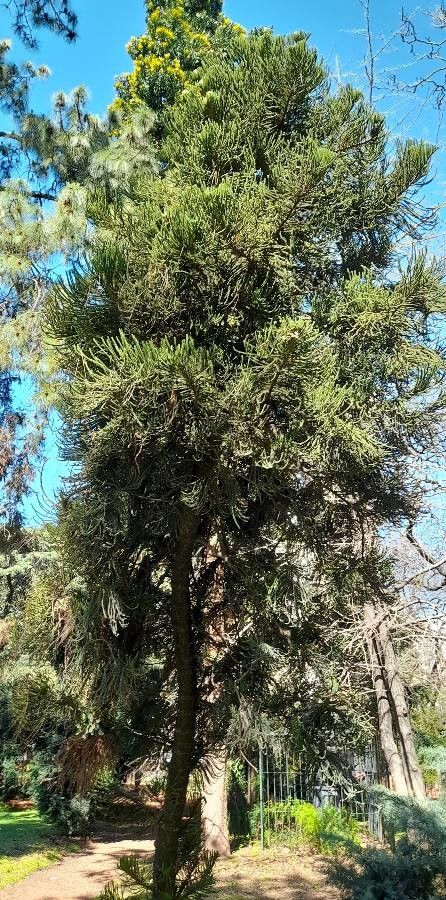
Araucaria subulata, commonly known as the Chilean pine (though not a true pine), is a striking evergreen conifer prized for its unique, symmetrical form and spiky foliage. Its architectural elegance makes it a popular choice for landscape gardeners, particularly in regions with mild climates. However, its propagation presents more challenges than many other conifers, demanding patience and attention to detail. The unique aspects of its propagation stem from its slow growth rate and the relatively recalcitrant nature of its seeds and cuttings.
Seed Germination:
Currently, there are no known reliable methods for seed germination propagation of Araucaria subulata. While seeds are produced, their viability is notoriously low, and successful germination rates remain extremely unpredictable. Factors such as seed maturity, storage conditions, and susceptibility to fungal diseases likely contribute to this low success rate. Extensive pre-treatment methods have yielded limited success, making seed propagation an impractical method for most gardeners.
Cuttings:
Cuttings offer a more viable, albeit still challenging, method of propagating Araucaria subulata.
Challenges: The main hurdle is the notoriously low rooting success rate. Cuttings from mature wood are less likely to root than semi-hardwood cuttings taken in late summer or early autumn.
Practical Tips: Use sharp, sterile tools to take cuttings of approximately 10-15cm in length, ensuring a clean cut at the base. Remove lower foliage to prevent rotting. Dip the base in rooting hormone powder before planting in a well-draining propagation mix, such as a mix of perlite and peat moss. Maintain high humidity using a propagation dome or plastic bag and provide bottom heat if possible. Patience is key; rooting can take several months.
Rewards: Successful rooting of cuttings will produce genetically identical clones of the parent plant, preserving desirable traits. This is particularly useful for propagating superior specimens.
Division:
Division is not a practical method for propagating Araucaria subulata. The plant’s strong taproot and single-trunk structure makes division impossible without severely damaging the plant.
Tissue Culture:
Tissue culture offers the potential for large-scale propagation and faster multiplication compared to cuttings.
Challenges: Establishing a successful tissue culture protocol for Araucaria subulata can be complex and requires specialized laboratory equipment and expertise. Contamination is a significant risk, and optimizing growth media and hormonal treatments to achieve high multiplication rates requires considerable experimentation.
Practical Tips: This is best left to specialized nurseries or research institutions with the necessary resources and knowledge.
Rewards: Tissue culture allows for the rapid production of numerous genetically identical plants, offering a significant advantage for commercial propagation and conservation efforts.
Conclusion:
Propagating Araucaria subulata presents significant challenges regardless of the method employed. While seed germination is currently unreliable, cuttings offer a possibility for home gardeners with patience and the right techniques. Tissue culture presents the most promising avenue for large-scale propagation, but requires specialized expertise and resources. The rewards, however, are significant: the ability to cultivate this unique and beautiful conifer, replicating its impressive architecture in your own garden. The satisfaction of successfully rooting a cutting after months of careful nurturing, or achieving a high multiplication rate in tissue culture, is deeply rewarding, underscoring the special connection one forms with this challenging yet ultimately fulfilling plant. Aspiring propagators are encouraged to begin with cuttings, mastering the fundamentals before venturing into the more complex world of tissue culture. Remember patience and persistence are your greatest allies in this endeavor.