
Propagating the Pacific Madrone: A Gardener’s Guide to Arbutus menziesii
Introduction
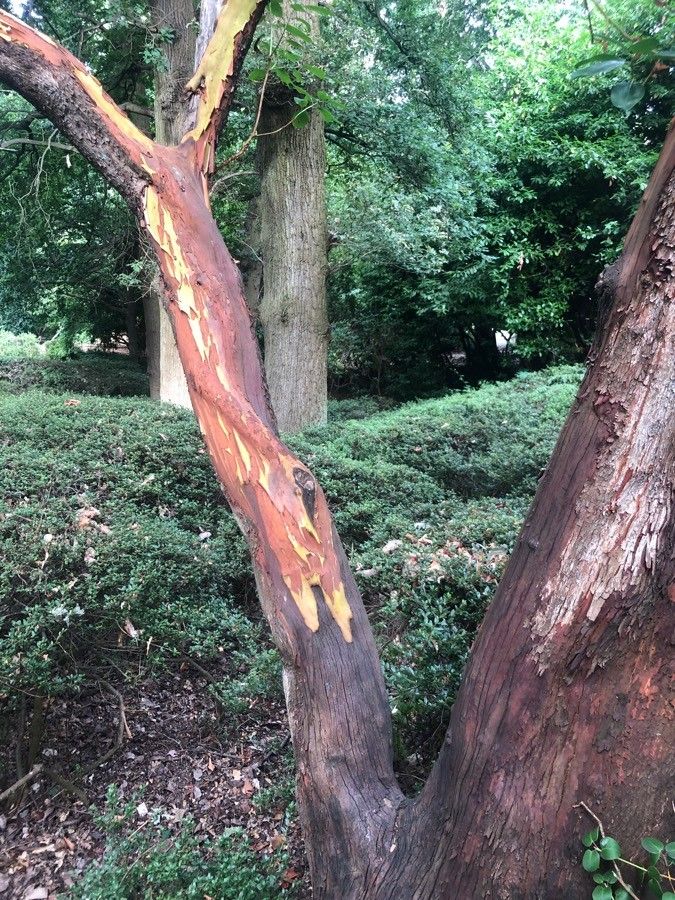
Arbutus menziesii, commonly known as the Pacific madrone, is a striking evergreen tree native to the Pacific Coast of North America. Its distinctive smooth, reddish bark that peels off in large flakes, glossy green leaves, and clusters of creamy white flowers followed by bright red berries make it a highly sought-after ornamental tree for gardens. Its unique beauty and relative drought tolerance contribute to its popularity among gardeners, although propagation can present certain challenges. The potential for genetic diversity and the rewarding experience of nurturing this iconic tree from scratch are strong incentives for attempting its propagation.
Seed Germination
Seed germination is a viable, albeit challenging, method for propagating Arbutus menziesii. The main challenges lie in the seed’s dormancy and the need for specific environmental conditions. The seeds require stratification – a period of cold, moist treatment – to break dormancy. This can be achieved by mixing the seeds with moist peat moss or vermiculite and storing them in a refrigerator at around 4°C (39°F) for 60-90 days. After stratification, sow the seeds in a well-draining seed-starting mix, keeping the soil consistently moist but not waterlogged. Germination can be slow and erratic, taking several weeks or even months. High humidity and moderate warmth (around 20°C/68°F) will aid germination. The rewards of this method include the genetic diversity in the resulting seedlings and the potential for large-scale propagation, particularly valuable for conservation efforts.
Cuttings
Propagating Arbutus menziesii from cuttings is generally considered difficult and unreliable. Currently, there are no known reliable methods for propagating Arbutus menziesii from cuttings offering consistent success. While some anecdotal evidence suggests that semi-hardwood cuttings taken in summer might have a small chance of rooting with the use of rooting hormones and a mist propagation system, the success rate is extremely low. Further research is needed to establish a robust and repeatable method for propagating this species from cuttings.
Division
Division is not a practical method for propagating Arbutus menziesii. This tree has a deep taproot system, making it almost impossible to divide successfully without severely damaging the plant.
Tissue Culture
Tissue culture offers a potentially more reliable method for mass propagation of Arbutus menziesii. However, this technique requires specialized equipment, aseptic conditions, and expertise in plant tissue culture. While research on the specifics of tissue culture propagation for this species is ongoing, and the protocols might not be readily available to home gardeners, it presents the possibility of producing disease-free clones in large numbers. This method’s complexity and resource requirements make it impractical for most home gardeners.
Conclusion
Propagating Arbutus menziesii presents unique challenges across all methods. While seed germination offers the greatest potential for genetic diversity, it requires patience and careful attention to detail. Cuttings and division are largely impractical. Tissue culture holds promise but requires specialized knowledge and resources. Despite the difficulties, the satisfaction of successfully cultivating a Pacific madrone from seed or through tissue culture is immense. The unique character of each tree, the knowledge gained through the propagation process, and the eventual beauty of the mature specimen make the effort worthwhile for dedicated gardeners. For aspiring propagators, patience, persistence, and research are key; starting with seed germination, understanding the stratification requirements, and providing ideal growing conditions are a good starting point for this rewarding endeavor.