Propagating Archidendropsis paivana: A Gardener’s Guide
Introduction:
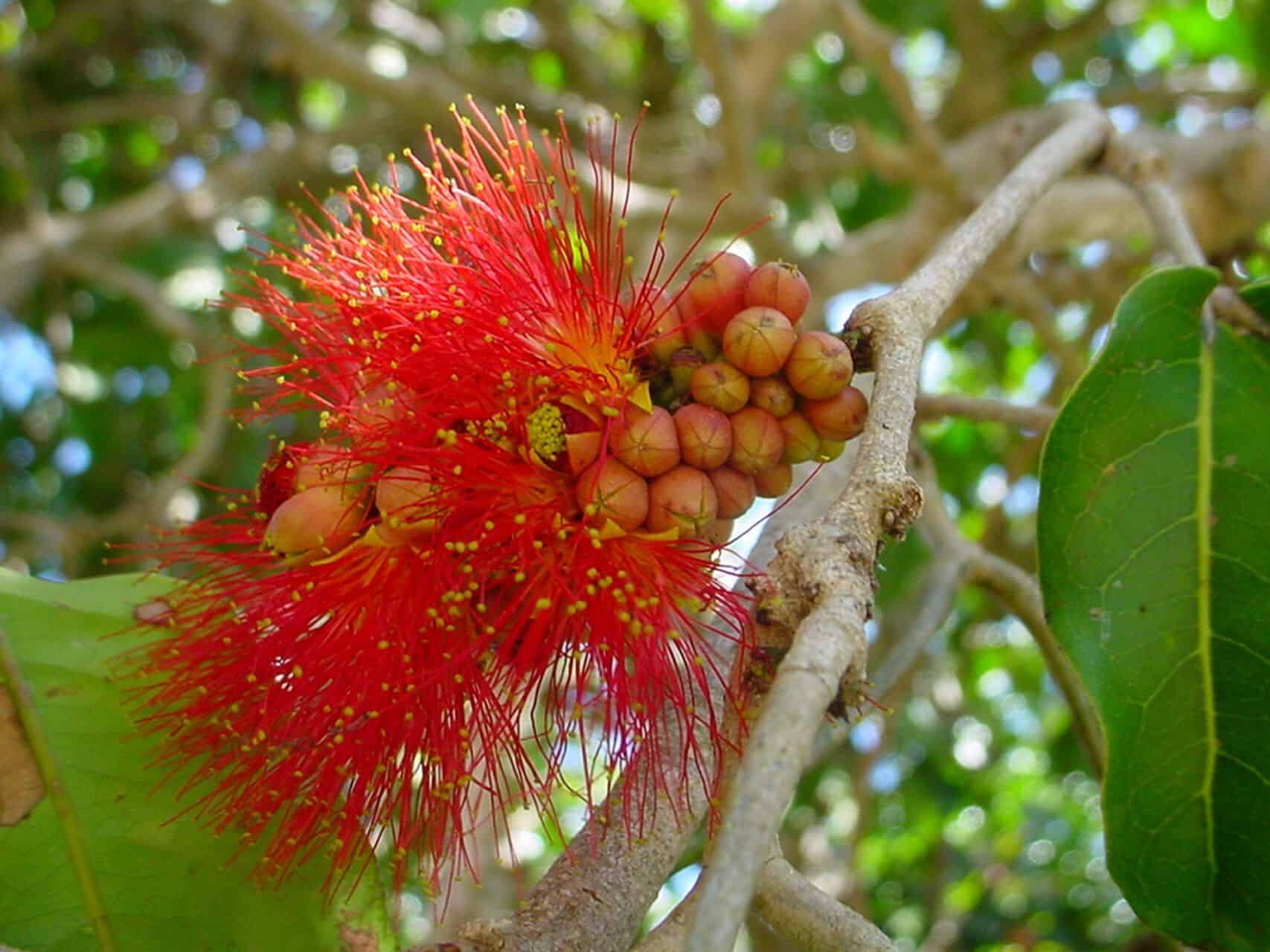
Archidendropsis paivana, commonly known as the Ipil-ipil, though this name is often applied to other Archidendropsis species, is a captivating tropical tree prized for its attractive foliage and unique, often fragrant flowers. Characterized by bipinnate leaves and striking inflorescences, it holds a place of interest among gardeners seeking unique additions to their collections. Its propagation, however, presents a fascinating challenge, demanding patience and careful technique. The relative rarity of this species in cultivation contributes to the fascination and difficulty surrounding its propagation.
Seed Germination:
Currently, there are no known reliable methods for seed germination propagation of Archidendropsis paivana. While seeds may be produced, their viability is reportedly low, and germination rates are extremely poor, even under optimal conditions. Further research is needed to determine if specific pretreatments, such as scarification or stratification, might improve success rates.
Cuttings:
Cuttings represent a potentially viable propagation method for Archidendropsis paivana, though success remains inconsistent. The challenges lie primarily in rooting difficulties.
Challenges: The woody nature of the stems makes rooting hormone application essential. Furthermore, maintaining high humidity and avoiding fungal infections are crucial. The success rate is highly dependent on the age and health of the parent plant, as well as the timing of the cuttings (ideally during periods of active growth).
Practical Tips: Semi-hardwood cuttings taken in late spring or early summer are recommended. Use a rooting hormone powder like IBA, and plant the cuttings in a well-draining propagation mix with perlite or vermiculite. Maintain high humidity using a humidity dome or plastic bag. Bottom heat can also improve rooting. Regular misting will help prevent desiccation.
Rewards: Successful propagation via cuttings can provide a genetically identical clone of the parent plant, preserving desirable traits. It’s a relatively straightforward method compared to tissue culture, offering a viable alternative for smaller-scale propagation.
Division:
Division is not a practical propagation method for Archidendropsis paivana due to its tree-like growth habit and extensive root system.
Tissue Culture:
Tissue culture offers the greatest potential for large-scale and consistent propagation of Archidendropsis paivana.
Challenges: Establishing aseptic conditions and developing a reliable protocol specific to this species will require specialized knowledge and resources. Finding the optimal media composition and growth regulators is essential for successful shoot multiplication and rooting.
Practical Tips: This method requires a specialized laboratory setting with appropriate equipment and expertise. Research on hormonal requirements and suitable culture media is crucial.
Rewards: Tissue culture allows for the rapid production of a large number of genetically identical plants, ideal for conservation efforts and commercial production. It bypasses the challenges associated with seed germination and cutting propagation.
Conclusion:
Propagating Archidendropsis paivana presents considerable challenges across all methods. Seed germination is currently unreliable, cuttings offer a moderate level of success with considerable effort, division is impractical, and tissue culture, while promising for large-scale propagation, demands significant expertise. The rewards, however, are significant: the unique beauty of this tree, added to the personal satisfaction of overcoming the challenges involved in its cultivation, make it a rewarding endeavor for the passionate propagator. For aspiring propagators seeking to add this species to their collections, patience, persistence, and thorough research into the specific nuances of each propagation method are vital for success. Don’t be discouraged by initial setbacks – the unique beauty of a successfully propagated Archidendropsis paivana makes the effort truly worthwhile.