
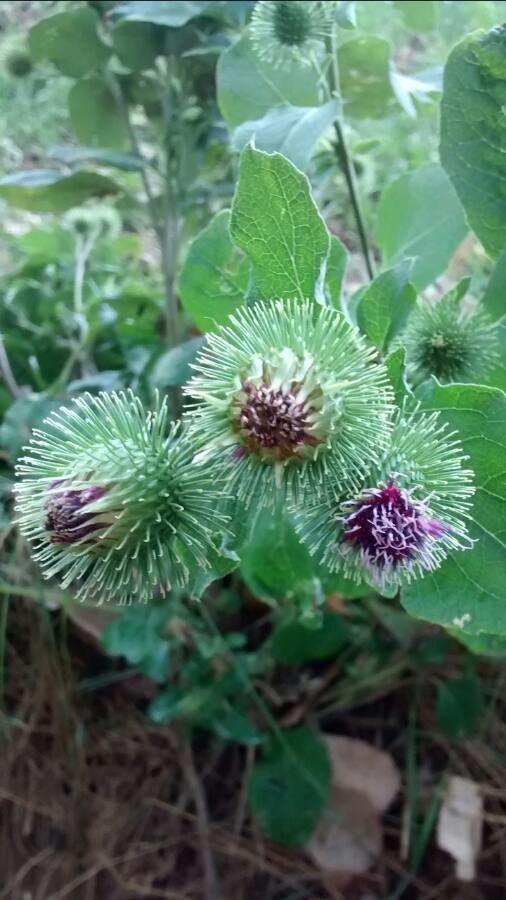
Propagating Great Burdock (Arctium lappa): A Gardener’s Guide
Introduction:
Arctium lappa, commonly known as Great Burdock, is a striking biennial plant boasting large, heart-shaped leaves and intriguing burr-like seed heads. Beyond its unique appearance, Great Burdock holds horticultural significance for its edible root, traditionally used in various cuisines and herbal remedies. Its popularity among gardeners stems from its relatively easy cultivation and the rewarding harvest of its nutritious root. However, propagation can present its own set of challenges, making successful cultivation particularly fulfilling.
Seed Germination:
Seed germination is a viable and common method for propagating Arctium lappa. However, it presents some challenges. Great Burdock seeds possess a hard seed coat, requiring stratification to break dormancy. This process mimics the natural winter conditions the seeds would experience.
Challenges: The hard seed coat can hinder germination, and inconsistent stratification can lead to uneven germination rates.
Practical Tips: Before sowing, soak the seeds in warm water for 24-48 hours to soften the seed coat. Then, stratify the seeds by placing them in a moist medium (e.g., vermiculite or peat moss) and refrigerating them at around 4°C (39°F) for 4-6 weeks. Sow the stratified seeds directly outdoors in spring after the last frost, or start them indoors 6-8 weeks before the last frost, transplanting seedlings once they have several true leaves. Sow seeds about 1.5cm deep and 30cm apart.
Rewards: Seed propagation offers high genetic diversity, allowing for a wider range of plant characteristics. It’s also cost-effective and suitable for large-scale propagation.
Cuttings:
Currently, there are no known reliable methods for propagating Arctium lappa from cuttings. The plant’s physiology does not readily lend itself to successful propagation via this method.
Division:
Division is not a practical method for propagating Arctium lappa. As a biennial, the plant completes its life cycle within two years, and usually dies back after producing seeds. Division would likely not yield viable plants.
Tissue Culture:
While tissue culture is a theoretically viable method, it is not commonly employed for the propagation of Great Burdock due to its complexity, cost, and specialized equipment required. It’s generally not considered a practical approach for home gardeners.
Conclusion:
Propagating Arctium lappa presents a unique set of challenges and rewards. While seed germination is the most readily accessible method, success hinges on proper stratification techniques. The other propagation methods, cuttings and division, prove ineffective for this species. The satisfaction derived from successfully nurturing these plants from seed, overcoming the hurdle of stratification, and harvesting the rewarding root is a testament to the gardener’s patience and skill. The journey may involve some setbacks, but the unique characteristics and culinary uses of Great Burdock make the effort worthwhile. For aspiring propagators, I encourage patience, meticulous attention to detail, and a willingness to learn from both successes and failures. The journey, in itself, is a rewarding part of the experience.