
From Tiny Seed to Majestic Manzanita: Propagating Arctostaphylos auriculata
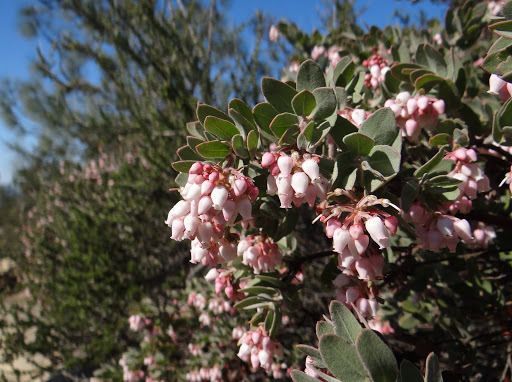
The Arctostaphylos auriculata, known more commonly as the “Manzanita,” is a captivating native shrub that graces the landscapes of California with its stunning red bark and dainty, bell-shaped blossoms. This resilient plant, with its drought-tolerant nature and captivating year-round beauty, is a real gem for any gardener. But how can you add this beauty to your own garden? Let’s dive into the fascinating world of Manzanita propagation.
The Magic of Seeds:
Manzanita seeds, like tiny treasures hidden within the plant’s red berries, hold the potential for new life. While this method offers a sense of wonder, it’s also the most time-consuming and challenging. Here’s what you need to know:
- Harvesting: Gather ripe berries in the fall and remove the seeds.
- Stratification: These seeds need a period of cold stratification to mimic winter conditions. Place them in a sealed bag with moist peat moss or vermiculite and refrigerate for 3-4 months.
- Sowing: After stratification, sow the seeds in a well-draining potting mix, just barely covering them with soil. Keep the soil moist and in a bright but shady location.
- Patience is Key: Manzanita seedlings can take several months to germinate and even longer to reach maturity.
When Cuttings Offer a Quicker Path:
For those seeking a more rapid route to Manzanita bliss, propagating through cuttings can be a more reliable option.
- Timing: The best time to take cuttings is in late spring or early summer when the plant is actively growing.
- Selection: Choose semi-hardwood cuttings, which are stems that are still pliable but have begun to harden.
- Preparation: Snip 4-6 inch cuttings with a sharp knife or shears, ensuring each cutting has at least 3-4 nodes (leaf bud areas). Remove the bottom leaves and dip the base in rooting hormone for added success.
- Planting: Prepare individual pots with a well-draining potting mix and plant the cuttings, burying 1-2 nodes below the soil line.
- Care: Keep the soil consistently moist and provide a humid environment, perhaps by covering the pots with a clear plastic dome or bag.
- Patience Pays Off: Within a few weeks, new roots should begin to form.
Division: A Tale of Sharing
If you’re fortunate enough to have an established Manzanita in your garden, the method of division offers a way to multiply your bounty while ensuring a quick start for new plants.
- Timing: Fall or early spring when the plant is dormant is the ideal time for division.
- Carefully Separate: Dig a trench around the base of the Manzanita and carefully separate the roots with a shovel or sharp knife. Each division should have a healthy portion of roots and foliage.
- Re-planting: Plant the divisions in well-prepared beds or pots, making sure to water them thoroughly.
Beyond the Basics:
While the methods above are proven techniques, success is often enhanced with a few extra tips.
- Light: Manzanitas thrive in full sun to partial shade, so ensure your propagating environment provides enough light.
- Drainage: These plants do not tolerate wet feet, so ensure well-draining soil and avoid overwatering.
- Patience: Remember that propagating Manzanitas takes time. Don’t get discouraged if things don’t happen overnight. With patience and good care, you’ll be rewarded with magnificent Manzanita plants.
From Propagation to Delight:
As your Manzanitas grow, they’ll reward you with their beauty, offering a delightful mix of red bark, delicate blossoms, and attractive clusters of berries. Their drought resistance makes them perfect for gardens in water-scarce areas. They also provide valuable habitat for local wildlife.
By embracing the process of propagation, you’ll not only create a stunning garden but also contribute to the conservation of this cherished native plant. So, gather your seeds, your clippers, and your patience – your journey to a Manzanita paradise awaits!