
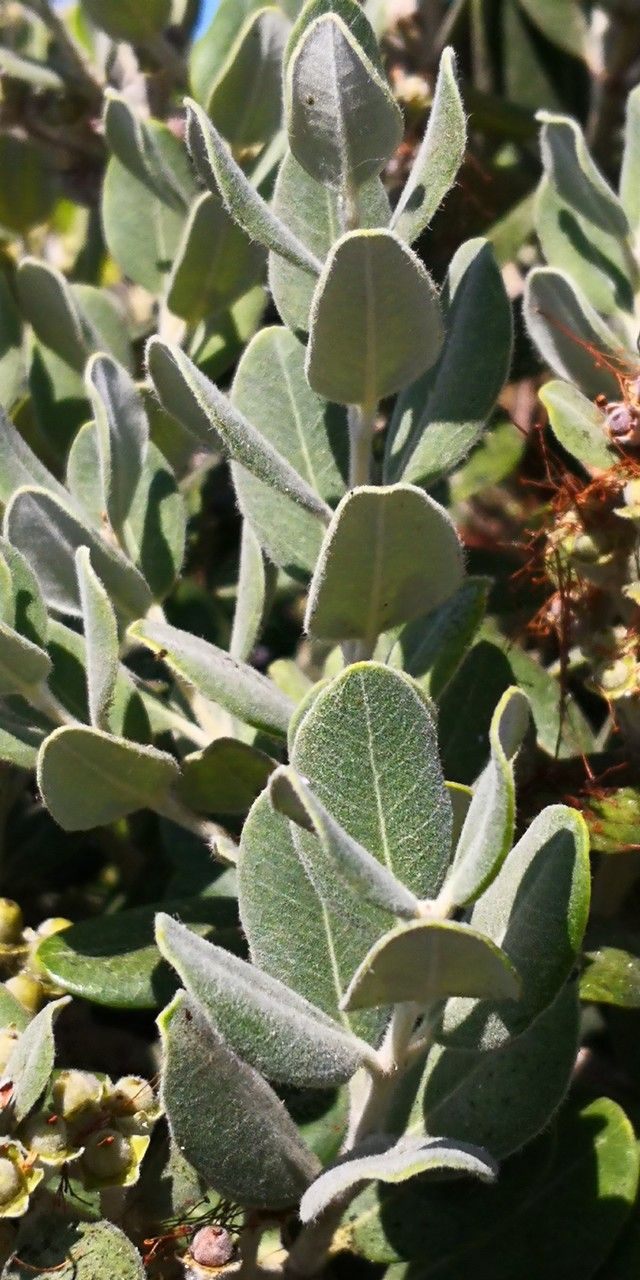
From Tiny Seed to Mighty Manzanita: Propagating Arctostaphylos confertiflora
The Arctostaphylos confertiflora, or “Littleleaf Manzanita,” is a beautiful, drought-tolerant shrub native to California. Its glossy, dark green leaves form a dense, rounded canopy, while delicate pink flowers adorn the plant in spring. These elegant features make the Littleleaf Manzanita a prized addition to any landscape. But what if you want to share this beauty with friends or expand your own garden ? That’s where propagation comes in!
Starting with Seeds:
Manzanitas are a bit tricky when it comes to seeds. While they are viable, they require a period of cold stratification, a process mimicking winter conditions, to germinate. This process can be done at home using a refrigerator or a seed-starting tray. You can also purchase pre-stratified seeds from a nursery.
Here’s how to do it yourself:
- Gather Seeds: Look for ripe berries on your Manzanita. Collect and clean the seeds by removing any pulp.
- Stratification: Place the seeds in a damp paper towel or vermiculite. seal in a zip-lock bag, and refrigerate for 2-3 months.
- Sow in the Garden or Starter Tray: Fill a pot or seed tray with a well-draining potting mix. Sow the seeds ½ inch deep and water moderately.
- Patience: Germination can take anywhere from a few weeks to several months. Keep the potting mix moist and the seedling tray in a bright, indirect location.
The Power of Cuttings:
For a faster and more reliable method of propagation, consider using cuttings. This technique involves taking a portion of a mature branch and stimulating it to form new roots.
- Select a Branch: Choose a mature, healthy branch with new growth. Cut a 4-6 inch long section, ensuring it has several leaf nodes.
- Prepare the Cutting: Remove the leaves from the bottom two inches of the cutting. Dip the base in rooting hormone powder to boost root development.
- Planting: Insert the cutting into a pot filled with a specially formulated rooting mix. Water generously and cover the pot with a clear plastic dome or bag to create a humid environment.
- Roots and Growth: Place the pot in a bright, indirect location. It can take several weeks to a few months for the cutting to root. Once you see new growth emerge from the tip, you can gradually acclimate the cutting to your garden’s conditions.
Key Considerations:
- Timing is everything: Take cuttings in late spring or early summer, when the plant is actively growing.
- Light and Humidity: Provide adequate light and humidity to your cuttings for successful rooting.
- Soil Drainage: Ensure your potting mix drains well to prevent root rot.
- Patience is a virtue: Patience is key! Propagation takes time, but the rewards are well worth the effort.
Beyond Propagation:
Once you have successfully propagated your Littleleaf Manzanita, you can enjoy its beauty for years to come. Remember to choose a planting location with well-drained soil and full sun to partial shade conditions. This resilient shrub is drought-tolerant and easy to care for, adding a touch of natural elegance to any landscape.
By mastering the art of propagation, you can amplify the beauty of Arctostaphylos confertiflora and share this remarkable plant with others. This journey from seed or cutting to a flourishing Manzanita is a rewarding experience that deepens your connection to the natural world.