
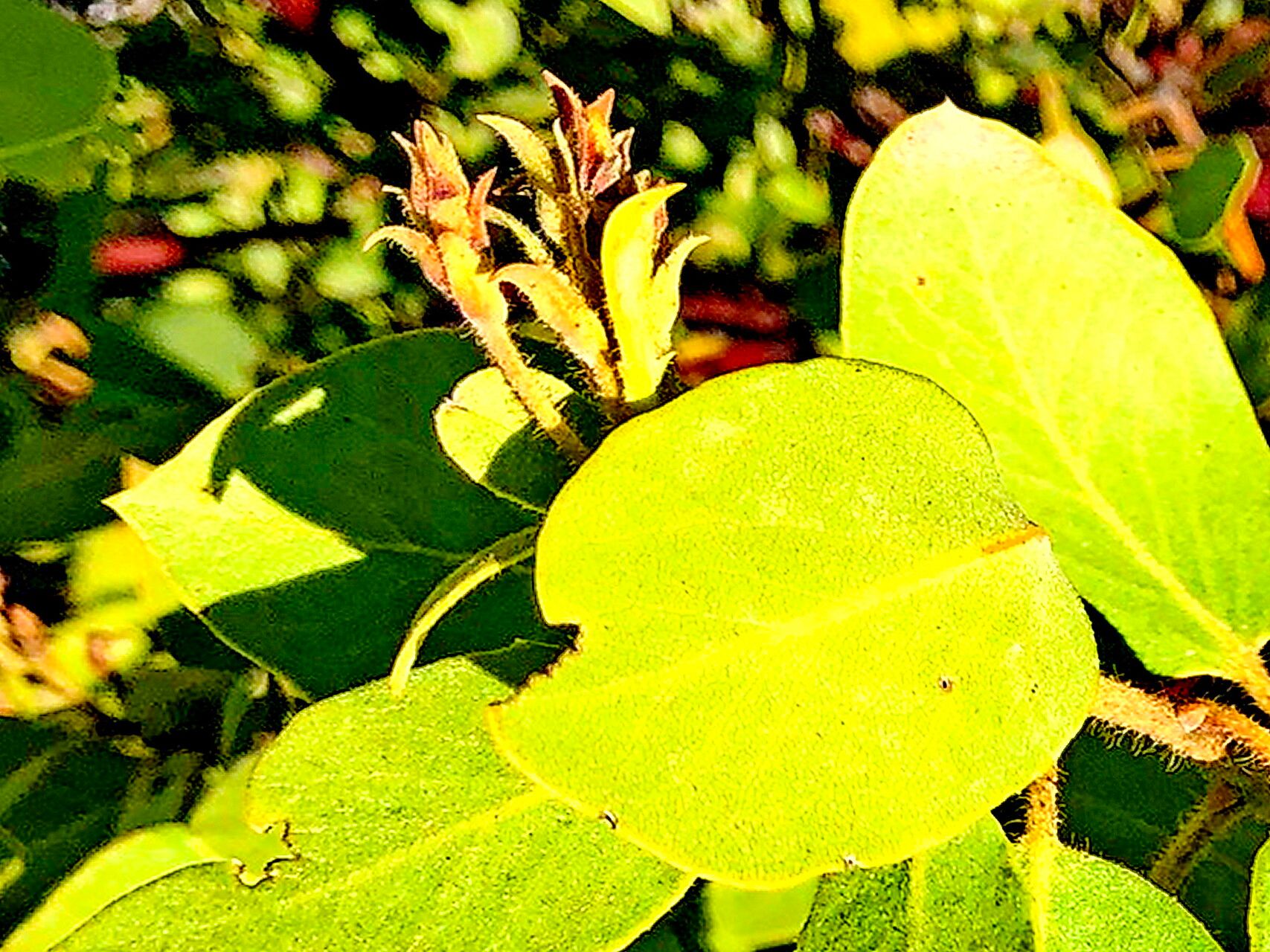
Propagating Arctostaphylos glandulosa: A Gardener’s Guide to the Manzanita
Arctostaphylos glandulosa, commonly known as island manzanita, is a captivating evergreen shrub prized for its attractive, smooth, reddish-brown bark, delicate white flowers, and persistent berry-like fruit. Native to the coastal areas of California’s Channel Islands, its drought tolerance, unique aesthetic, and compact growth habit make it a highly desirable addition to xeriscape gardens and other low-water landscapes. However, propagation of island manzanita can present some unique challenges, making successful cultivation all the more rewarding.
Seed Germination:
Currently, there are no known reliable methods for seed germination propagation of Arctostaphylos glandulosa. While seeds may be produced, germination rates are notoriously low, and achieving successful seedling establishment is extremely difficult. Further research is needed to determine the optimal conditions for germination. The combination of hard seed coats and possibly dormancy requirements seems to be the primary hurdle.
Cuttings:
Cuttings offer a more reliable method for propagating island manzanita than seed germination.
- Challenges: Cuttings can be slow to root, requiring patience and meticulous attention to detail. The success rate may vary significantly depending upon the timing of the cuttings and the environmental conditions.
- Practical Tips: Semi-hardwood cuttings taken in late summer or early autumn are generally recommended. Use a rooting hormone to enhance success rates. Plant the cuttings in a well-drained propagation mix and maintain high humidity using a humidity dome or plastic bag. Bottom heat can also improve rooting.
- Rewards: Cuttings provide a quicker route to mature plants compared to seed propagation and preserve the exact genetic characteristics of the parent plant.
Division:
Division of established island manzanita plants is a viable method, though limited by the plant’s size and growth habit.
- Challenges: Island manzanita does not readily form large, easily divisible root systems. Dividing the plant can be stressful and may result in reduced vigor if not done carefully. Only mature plants with substantial root systems are suitable candidates for division.
- Practical Tips: Division should be performed in early spring or late autumn when the plant is less actively growing. Ensure each division receives sufficient roots and top growth. Plant each division in well-drained soil.
- Rewards: Division is a fast and relatively simple method for obtaining multiple plants from a mature specimen when feasible.
Tissue Culture:
Tissue culture presents a potentially efficient approach for large-scale propagation of Arctostaphylos glandulosa.
- Challenges: Tissue culture requires specialized equipment, sterile techniques, and expertise in plant tissue culture protocols. Developing a successful protocol for island manzanita may require significant experimentation.
- Practical Tips: Research on suitable growth media, hormones, and sterilization techniques is crucial. Consulting with plant tissue culture specialists is highly recommended.
- Rewards: Tissue culture potentially offers the opportunity for rapid mass propagation of genetically uniform plants, particularly valuable for commercial growers or conservation efforts.
Conclusion:
Propagating Arctostaphylos glandulosa presents unique challenges across all methods. Seed germination proves unreliable, while cuttings, division, and tissue culture each offer varying degrees of success depending on skill and resources. However, the rewards of successfully cultivating this hardy and beautiful shrub are considerable. The unique satisfaction of nurturing a cutting from a simple stem into a thriving manzanita bush, or successfully establishing plants through tissue culture, is deeply rewarding for those willing to embrace the challenge. Whether you choose cuttings, division, or explore the potential of tissue culture, careful attention to detail, patience, and a thorough understanding of the plant’s needs will significantly increase your odds of success. Remember, even experienced cultivators can face setbacks; perseverance is key to cultivating this captivating island manzanita.