
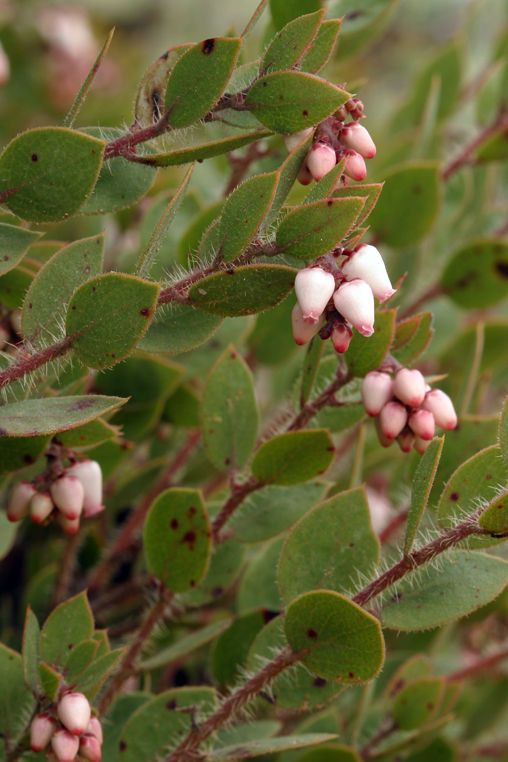
Propagating Manzanita (Arctostaphylos myrtifolia): A Gardener’s Guide
Introduction:
Arctostaphylos myrtifolia, commonly known as Manzanita, is a captivating evergreen shrub prized for its striking, smooth reddish-brown bark, delicate white or pink flowers, and attractive berries. Native to California, Manzanita’s drought tolerance, beautiful form, and adaptability to various soil types have made it a popular choice among gardeners, particularly those embracing xeriscaping. However, propagation can present some unique challenges due to its specific germination and rooting requirements. This guide explores various methods for propagating Manzanita, outlining their successes and difficulties.
Seed Germination:
While Manzanita seeds can germinate, it’s a notoriously challenging process with low success rates. The hard seed coat inhibits water uptake and germination. Therefore, stratification is crucial. This involves mimicking the natural winter conditions that break seed dormancy.
Challenges: Low germination rates, lengthy stratification period (often requiring several months of cold, moist stratification followed by warm stratification).
Practical Tips: Collect seeds from fully ripe berries. Clean the seeds thoroughly. Stratify seeds by mixing them with moist peat moss or vermiculite and storing them in a refrigerator (around 40°F) for 3-4 months. After cold stratification, transfer the seeds to a warmer location (around 70°F) for several weeks to stimulate germination. Sow the seeds in well-draining, slightly acidic soil mix, keeping the soil consistently moist but not waterlogged. Patience is key; germination can take several weeks or even months.
Rewards: High genetic diversity among seedlings, potentially producing plants with unique characteristics, suitable for large-scale propagation if successful.
Cuttings:
Propagation from cuttings is a considerably more reliable method for Manzanita than seed germination.
Challenges: Manzanita cuttings can be slow to root, requiring careful attention to humidity and moisture levels to prevent rot.
Practical Tips: Take semi-hardwood cuttings (from new growth that has begun to lignify) in late summer or early fall. Use a rooting hormone to improve success rates. Plant cuttings in a well-draining propagation mix, maintaining high humidity (e.g., using a humidity dome or misting regularly). Provide bottom heat for optimal rooting.
Rewards: Faster and more reliable than seed germination, allowing for the propagation of desirable cultivars and clones, maintaining specific characteristics of the parent plant.
Division:
Division is generally not a viable propagation method for Manzanita. The plants possess a relatively shallow root system and are not easily divided without causing significant damage.
Tissue Culture:
Tissue culture offers a potentially effective method for large-scale propagation of Manzanita, though it requires specialized equipment, expertise, and a sterile environment.
Challenges: Establishing sterile conditions and maintaining aseptic techniques throughout the process is critical. Requires specific media and hormonal treatments for successful shoot and root development.
Practical Tips: This method would require expertise in plant tissue culture. Consult with a professional or research institution with tissue culture experience.
Rewards: Efficient large-scale propagation, preservation of rare or endangered cultivars, and the potential for rapid multiplication of superior genotypes.
Conclusion:
Propagating Manzanita presents a rewarding yet challenging endeavor. While seed germination offers the possibility of genetic diversity but with low success rates, cuttings provide a far more reliable method for the home gardener. Tissue culture holds immense potential for mass multiplication but demands specialized knowledge and equipment. The unique satisfaction of successfully cultivating this beautiful shrub comes from navigating these challenges and witnessing the emergence of new plants, a testament to patience, persistence, and horticultural skill. For most home gardeners, focusing on cuttings will offer the best chance of success. Remember, even with cuttings, patience and attention to detail are essential for achieving a healthy and thriving Manzanita.