
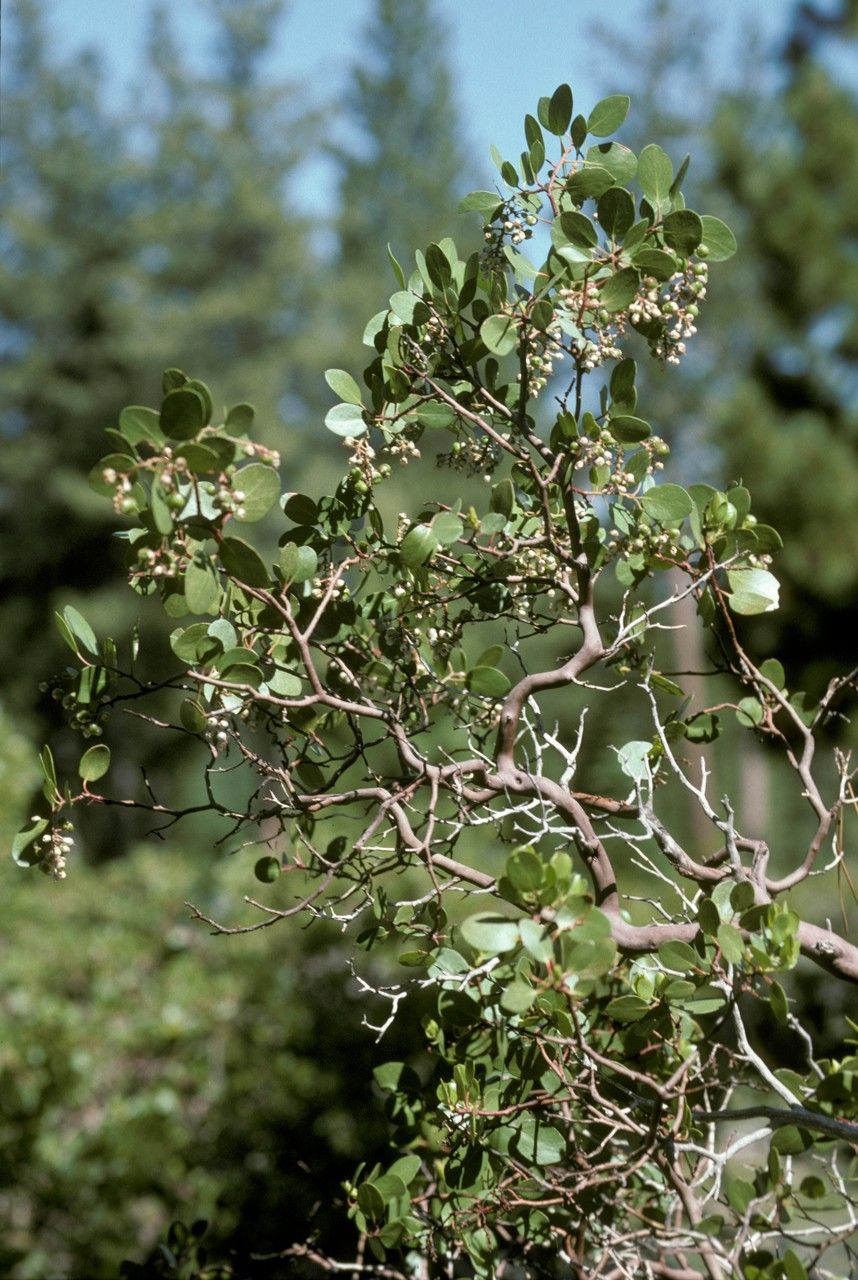
Unlocking the Secrets to Propagating Greenleaf Manzanita (Arctostaphylos patula)
The Greenleaf Manzanita (Arctostaphylos patula), with its stunning reddish bark, evergreen foliage, and delicate pink flowers, is a highly desirable addition to any garden. Native to the western United States, this drought-tolerant beauty thrives in well-drained soil and sunny locations. While easily obtainable from nurseries, propagating your own Greenleaf Manzanita can be a rewarding experience. This guide will unlock the secrets to successfully cultivating new plants, focusing on two primary methods: seed propagation and semi-hardwood cuttings.
Method 1: Seed Propagation – Patience is a Virtue
Don’t be fooled by the seemingly simple appearance of Greenleaf Manzanita berries. These tiny fruits house seeds with a hard outer shell and a dormant embryo, requiring specific treatments for successful germination.
Berry Collection and Seed Extraction: Collect mature, dark brown berries in late summer or early fall. Gently crush the berries and separate the small, brown seeds.
Stratification – Mimicking Nature’s Cycle: In nature, Greenleaf Manzanita seeds rely on the cold, wet conditions of winter to break dormancy. Replicate this by placing the seeds in a moistened mix of sand and peat moss, then seal them in a plastic bag and refrigerate for 90-120 days. This process, known as cold stratification, prepares the seeds for germination.
Sowing the Seeds: After stratification, sow the seeds in seed trays filled with a well-draining potting mix. Gently press the seeds into the surface, ensuring good contact with the soil. Keep the trays consistently moist and in a warm, bright location, out of direct sunlight.
- Germination and Growth: Be patient! Seed germination can take several weeks or even months. Once the seedlings emerge and have developed several sets of true leaves, they can be carefully transplanted into individual pots.
Method 2: Semi-hardwood Cuttings – A Faster Approach
For those seeking quicker results, propagating Greenleaf Manzanita through semi-hardwood cuttings is a viable option. This method involves rooting stem sections taken from a healthy parent plant.
Timing is Key: The best time to take cuttings is in late summer or early fall when the new growth has started to harden.
Taking the Cuttings: Select healthy, vigorous stems and use a sharp, sterilized knife or pruning shears to take 4-6 inch cuttings just below a leaf node. Remove the leaves from the lower two-thirds of the cutting.
Encouraging Root Development: Dip the cut end of each cutting in rooting hormone powder to stimulate root growth. Then, insert the cuttings into a well-draining rooting medium, like a perlite and vermiculite mixture.
Creating a Humid Environment: Cover the cuttings with a clear plastic bag or humidity dome to maintain high humidity levels, essential for successful rooting. Place the cuttings in a warm, bright location, out of direct sunlight.
- Transplanting: After 6-8 weeks, check for root development. Once the cuttings have established a good root system, they can be transplanted into individual pots filled with well-draining potting mix.
A Final Note: Regardless of your chosen propagation method, remember that Greenleaf Manzanita prefers well-drained soil and thrives in sunny locations. With patience and the right care, you’ll soon be enjoying the beauty of these magnificent plants, propagated by your own hand!