
Propagating Arctous alpina: A Challenge Worth Embracing
Introduction:
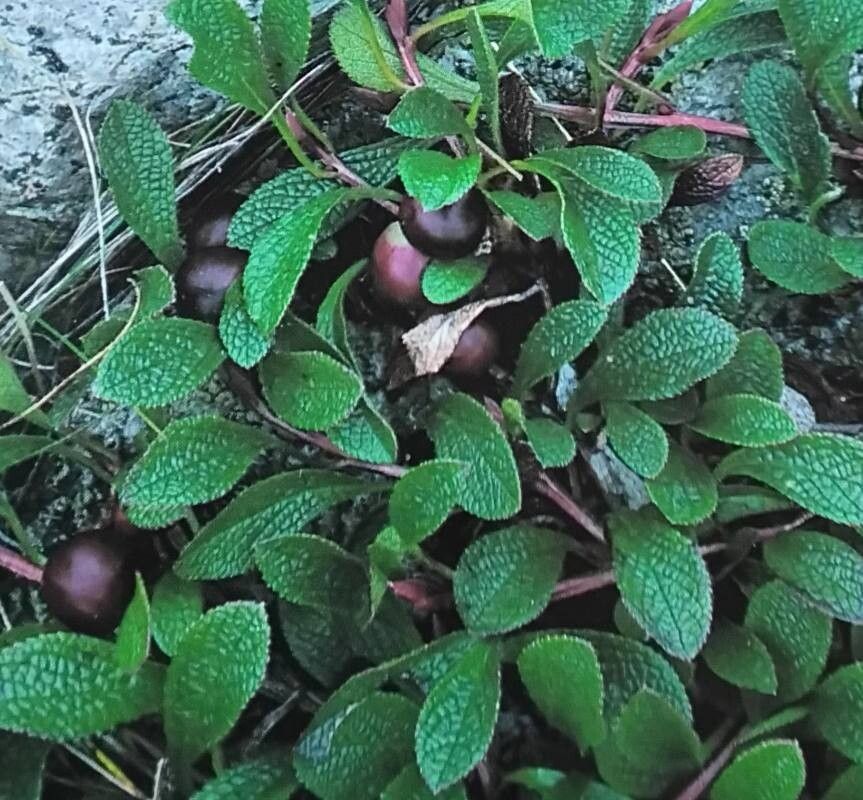
Arctous alpina, commonly known as the alpine bearberry or mountain cranberry, is a low-growing, evergreen shrub prized for its attractive, leathery leaves, delicate bell-shaped flowers, and edible, albeit tart, red berries. Its hardiness and tolerance of harsh conditions make it a fascinating addition to rock gardens, alpine gardens, and other challenging landscapes. While its relative ease of cultivation once established makes it popular among gardeners, propagating Arctous alpina presents unique challenges rarely discussed. This article explores the various methods of propagation, highlighting their efficacy and the rewards for those persistent enough to succeed.
Seed Germination:
Currently, there are no known reliable methods for seed germination propagation of Arctous alpina. While seeds may be produced, germination rates are notoriously low, likely due to a combination of dormancy and specific environmental requirements yet to be fully understood by horticulturalists. Further research is needed to determine if controlled stratification techniques, specific light and temperature conditions, or hormonal treatments can improve germination success.
Cuttings:
Cuttings offer a more promising avenue for Arctous alpina propagation. However, challenges remain.
Challenges: Rooting is slow and inconsistent, often requiring specialized techniques and considerable patience. The use of rooting hormone is highly recommended, and success rates are usually higher with semi-hardwood cuttings taken in late summer or early autumn.
Practical Tips: Take cuttings approximately 10-15cm long from non-flowering stems. Remove lower leaves, dip the base in rooting hormone, and plant in a well-draining, moist propagation mix. Use a humidity dome or propagator to maintain high humidity levels. Keep the cuttings in bright, indirect light and avoid direct sunlight.
- Rewards: Successfully rooting cuttings provides a reliable method for cloning desirable plant varieties, preserving specific characteristics. This is particularly valuable for rare or superior cultivars.
Division:
Division is a viable, albeit limited method for propagating Arctous alpina.
Challenges: This method relies on the plant already having established a substantial root system with multiple growth points. Division can be stressful for the plant, and improper technique can easily result in the death of the divided sections.
Practical Tips: Early spring or autumn is the ideal time for division. Carefully dig up the mature plant and gently separate it into smaller clumps, ensuring each division has a healthy root system and several shoots. Replant immediately and water thoroughly.
- Rewards: Division offers a quick way to increase the number of plants, provided the parent plant is mature and healthy. It’s a relatively low-tech approach compared to other methods.
Tissue Culture:
Tissue culture is a technically demanding but potentially highly successful method.
Challenges: This method requires specialized equipment, sterile conditions, and a detailed understanding of plant tissue culture techniques. It also often requires access to a plant tissue culture laboratory.
Practical Tips: Explant selection and sterilization are critical. The use of appropriate growth media and hormones is also essential. This method is best left to experienced plant tissue culturists.
- Rewards: Tissue culture allows for the rapid and large-scale propagation of Arctous alpina, with the potential for producing disease-free plants and generating large quantities of uniform planting material.
Conclusion:
Propagating Arctous alpina presents significant challenges regardless of the method chosen. Seed germination remains unreliable. Cuttings are more successful but require patience and skill. Division is limited by plant maturity. Tissue culture offers high potential but demands specialized knowledge and equipment. The rewards, however, are considerable: the ability to share this beautiful and hardy plant, preserving genetic diversity, and the immense satisfaction of overcoming the obstacles to successfully cultivate this unique alpine dweller. Don’t be discouraged by the initial hurdles: the journey of propagating Arctous alpina, though demanding, is a testament to perseverance and a fulfilling experience for any dedicated gardener. Choose your method carefully, based on your resources and experience, and allow patience to be your guiding principle.