
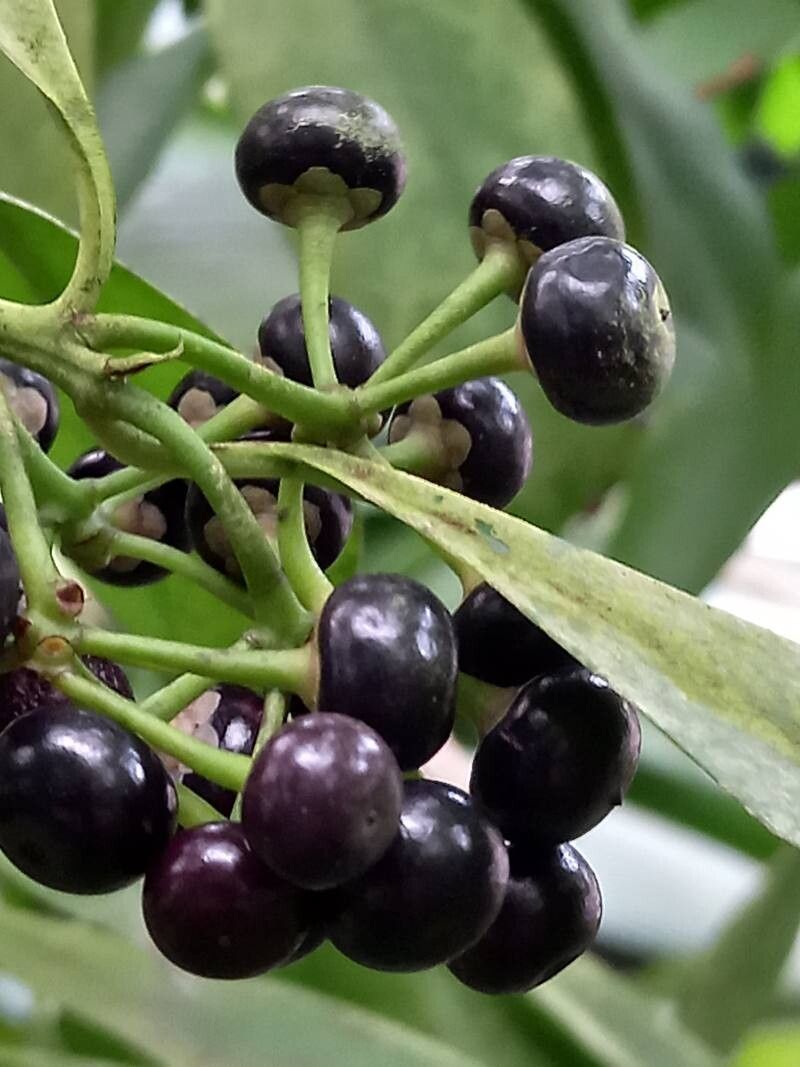
Beyond the Beautiful Berries: Propagating Your Ardisia Polycephala
The Ardisia polycephala, also known as the Coral Berry or Christmas Berry, is beloved for its glossy evergreen leaves and vibrant clusters of red berries. But did you know this beauty is surprisingly easy to propagate? Whether you want to multiply your own plant or share its charm with friends, propagating Ardisia polycephala is a rewarding endeavor. Let’s delve into the two main methods:
1. Seed Propagation: From Berry to Bud
- Harvesting the Seeds: Patience is key! Wait for the berries to ripen fully, turning a deep, rich red. Gently crush the berries to reveal the small, hard seeds inside. Rinse them thoroughly to remove any pulp residue.
- Sowing the Seeds: Fill a seed tray or small pots with a well-draining seed starting mix. Sow the seeds about half an inch deep and mist them lightly.
- Creating the Ideal Environment: Ardisia polycephala seeds thrive in warmth and humidity. Place the seed tray in a warm location (around 70-75°F) and consider covering it with a plastic dome or humidity dome to retain moisture.
- Germination: Within a few weeks, you should start seeing tiny seedlings emerge. Once the seedlings have developed a couple of sets of true leaves, you can thin them out, leaving the strongest ones to grow.
2. Stem Cuttings: A Quicker Route to Success
- Taking the Cuttings: In spring or early summer, take cuttings about 4-6 inches long from healthy, non-flowering stems. Use a sharp, clean knife or pair of pruning shears to make a clean cut just below a leaf node.
- Preparing the Cuttings: Remove the lower leaves from the cutting, leaving only a few leaves at the top. This encourages the cutting to focus its energy on root development. Dipping the cut end in rooting hormone powder (optional) can further enhance rooting success.
- Planting the Cuttings: Plant the cuttings in a pot filled with a well-draining potting mix, burying a couple of leaf nodes below the soil line.
- Encouraging Root Growth: Water the cuttings thoroughly and cover the pot with a clear plastic bag or humidity dome to create a warm, humid environment. Place the pot in indirect sunlight.
Caring for Your New Propagations:
Regardless of the method you choose, once your new Ardisia polycephala plants have established a decent root system and show signs of new growth, it’s time to gradually acclimate them to their permanent homes.
- Potting Up: Choose a pot with good drainage and use a well-draining potting mix.
- Light and Water: Ardisia polycephala prefers bright, indirect light and consistently moist soil. However, avoid overwatering, as it can lead to root rot.
- Fertilizer: During the growing season (spring and summer), fertilize your plants every 4-6 weeks with a balanced liquid fertilizer.
Propagating your Ardisia polycephala is a fulfilling experience that allows you to expand your plant family and appreciate the wonders of plant reproduction. With a little patience and these helpful tips, you’ll soon be enjoying the lush foliage and vibrant berries of your very own propagated plants.