
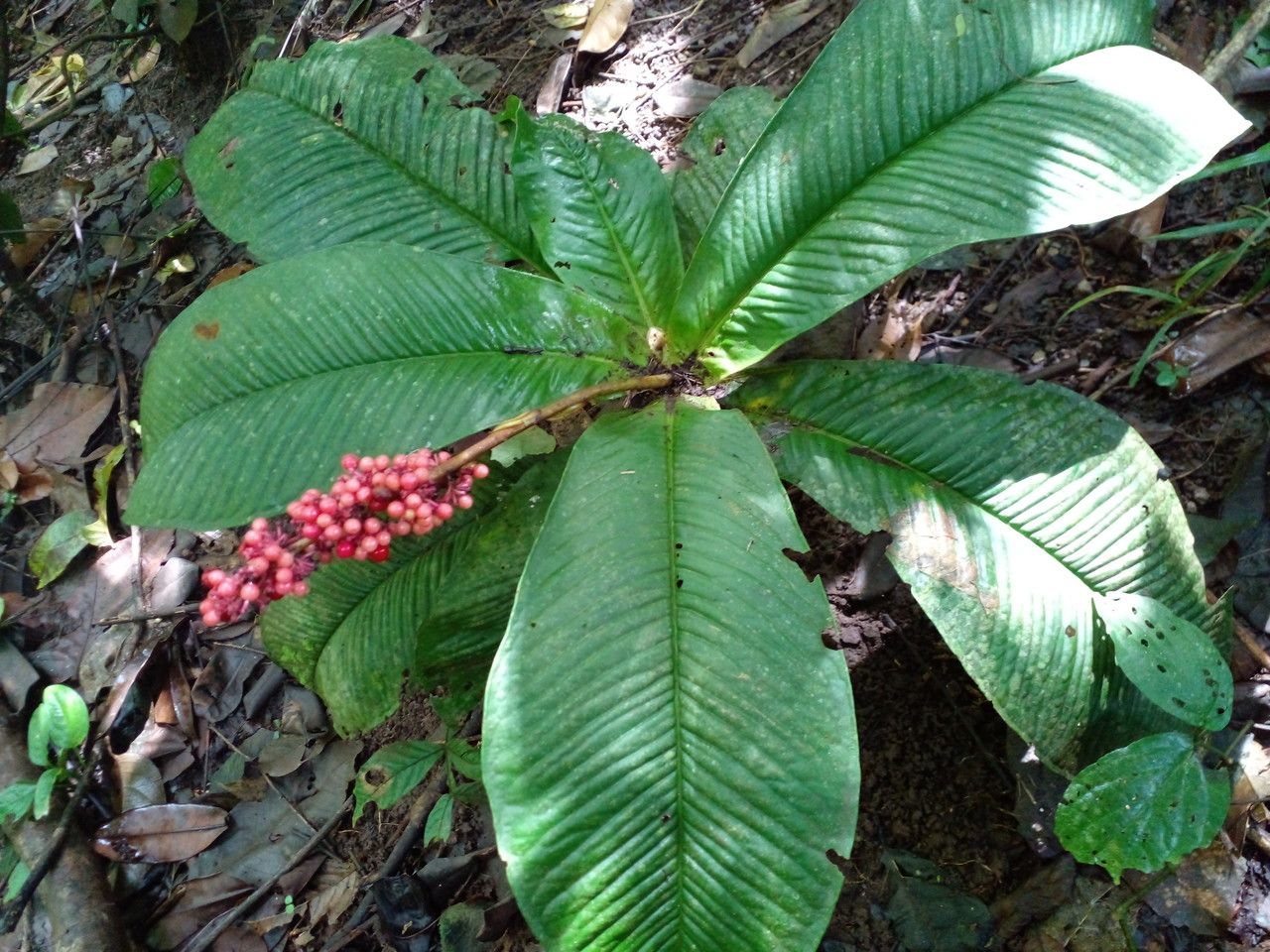
Propagating Ardisia wedelii: A Gardener’s Guide
Introduction:
Ardisia wedelii, also known as the coral Ardisia or Christmas berry, is a highly prized evergreen shrub renowned for its attractive, dark green foliage and vibrant clusters of bright red berries that persist throughout the winter. This makes it a popular choice among gardeners seeking year-round interest in their landscapes or containers. However, propagating Ardisia wedelii can present unique challenges, making successful cultivation all the more rewarding. While several methods exist, their success rates vary depending on factors like skill, technique, and environmental conditions.
Seed Germination:
Currently, there are no known reliable methods for seed germination propagation of Ardisia wedelii. While seeds are produced, their germination rate is exceptionally low, and achieving successful seedlings is extremely difficult even under controlled conditions. Factors such as seed dormancy and the need for specific environmental cues appear to be significant hurdles.
Cuttings:
Cuttings are a more viable method for propagating Ardisia wedelii compared to seed germination.
Challenges: Rooting cuttings can be slow and inconsistent. The success rate depends heavily on factors such as the age and health of the parent plant, the timing of the cuttings (ideally semi-hardwood cuttings in late spring/early summer), and the use of rooting hormones. Proper humidity and temperature control are also crucial.
Practical Tips: Take 4-6 inch long cuttings from semi-hardwood stems. Remove lower leaves, dip the cut ends in rooting hormone, and plant in a well-draining propagation mix (e.g., perlite and peat moss). Maintain high humidity (e.g., using a humidity dome or misting regularly) and bottom heat (around 70-75°F). Patience is key; rooting may take several weeks or even months.
Rewards: Cuttings offer a relatively quick way to produce genetically identical plants to the parent plant, preserving desirable characteristics. This method is suitable for smaller-scale propagation.
Division:
Division is another potential method, but it is best suited for established, mature plants.
Challenges: Care must be taken to avoid damaging the root system during division. Each division needs a sufficiently large root ball to ensure survival. The success of this method relies heavily on proper handling and post-division care.
Practical Tips: Divide the plant in early spring or autumn when the plant is actively growing or dormant respectively. Ensure each division has healthy roots and sufficient foliage. Replant immediately in well-draining soil and water thoroughly.
Rewards: Division offers a relatively simple and quick way to increase the number of plants, especially for larger specimens.
Tissue Culture:
Tissue culture offers the potential for large-scale propagation of Ardisia wedelii and the production of disease-free plants.
Challenges: This is a highly specialized technique requiring sterile laboratory conditions, specialized equipment, and expertise in plant tissue culture. It is not a viable method for home gardeners.
Practical Tips: Tissue culture is best left to professionals in plant nurseries or research institutions.
Rewards: Tissue culture offers the possibility of producing many plants quickly and efficiently, while maintaining consistent genetic uniformity. It also minimizes the risk of disease transmission.
Conclusion:
Propagating Ardisia wedelii presents a unique challenge for even experienced gardeners. While seed germination is currently unreliable, cuttings and division offer more promising avenues, though success hinges on precision and patience. Tissue culture presents a viable, albeit highly specialized, option for large-scale propagation. The satisfaction derived from successfully cultivating this beautiful plant, however, makes overcoming the difficulties all the more rewarding. For aspiring propagators, tackling cuttings, whilst employing diligent care and attention to detail, provides the most accessible path to success. Don’t be discouraged by initial setbacks; perseverance and mindful observation are key to achieving a flourishing collection of Ardisia wedelii.