
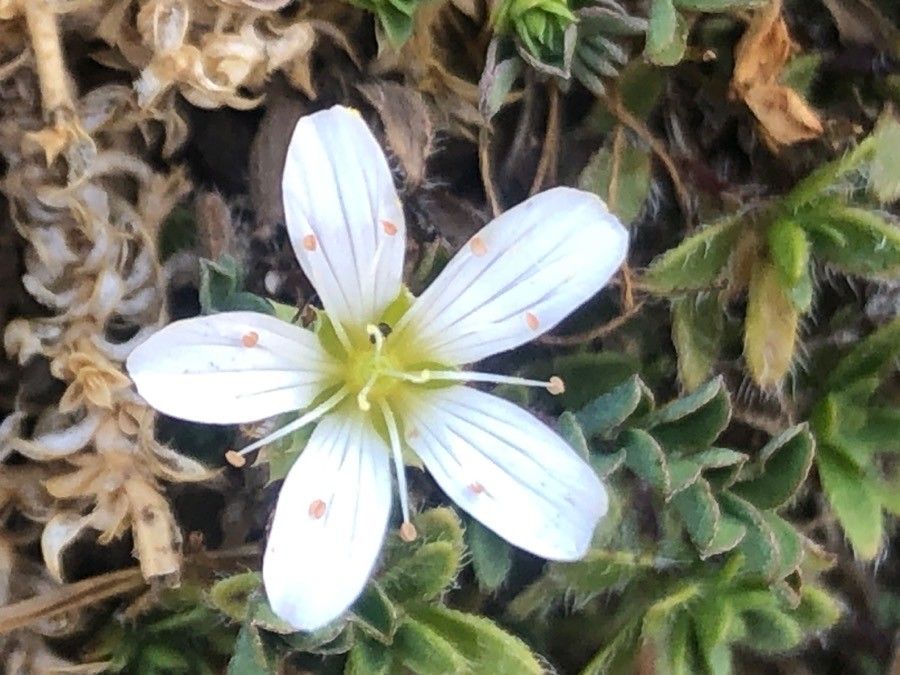
Propagating Arenaria erinacea: Taming the Prickly Cushion
Arenaria erinacea, commonly known as prickly sandwort, is a captivating alpine plant prized for its dense, cushion-like habit and charming, starry white flowers. Its spiny foliage gives it a unique, almost sculptural quality, making it a highly sought-after addition to rock gardens and alpine troughs. However, its captivating beauty is often coupled with propagation challenges, making successful cultivation a rewarding experience for the dedicated gardener. This article explores various propagation methods for Arenaria erinacea, outlining their viability and offering practical advice.
Seed Germination:
Currently, there are no known reliable methods for seed germination propagation of Arenaria erinacea. While seeds may be produced, germination rates are extremely low, and even with specialized techniques like stratification (chilling the seeds to mimic winter conditions), success remains elusive. The tiny seeds and potentially dormant embryos likely contribute to the difficulty.
Cuttings:
Cuttings offer a more promising approach to propagating Arenaria erinacea.
- Challenges: While semi-hardwood cuttings taken in late summer or early autumn show some promise, rooting success is still relatively low. The plant’s small size can make taking substantial cuttings difficult without severely impacting the mother plant.
- Practical Tips: Take cuttings from healthy, non-flowering stems, ensuring each cutting has several nodes. Use a well-draining propagation medium (e.g., a mix of perlite and vermiculite) and maintain consistent moisture without overwatering. Applying a rooting hormone may increase success rates. A humidity dome can also increase survival chances.
- Rewards: Cuttings offer a faster route to a new plant than division and provide a genetic clone of the parent plant, preserving desirable traits.
Division:
Division is arguably the most reliable method for propagating Arenaria erinacea.
- Challenges: Dividing Arenaria erinacea requires careful handling due to its dense, spiny nature and delicate root system. Divisions must be large enough to ensure the survival of each new plant. Over-division can weaken or even kill the mother plant.
- Practical Tips: The best time to divide is in spring or early autumn after flowering. Use a sharp, clean knife or spade to carefully separate portions of the plant, ensuring each division has a substantial root system and healthy growth buds. Immediately plant the divisions in well-draining soil and provide consistent moisture.
- Rewards: Division provides a relatively straightforward method for increasing the number of plants and is generally more successful than cuttings.
Tissue Culture:
Tissue culture propagation of Arenaria erinacea is largely unexplored.
- Challenges: Establishing a sterile culture with this species would require significant expertise in tissue culture techniques. The optimal medium and hormone combinations would need to be determined through experimentation.
- Practical Tips: This method is not recommended for home gardeners.
- Rewards: If successful, tissue culture could offer the potential for large-scale propagation and disease-free plants. However, the high cost and specialized equipment involved make this impractical for most hobbyists.
Conclusion:
Propagating Arenaria erinacea presents unique challenges but also significant rewards. While seed germination is unreliable, division offers the highest success rate for the average gardener. Cuttings are a viable although less reliable option. Tissue culture remains an avenue for future exploration. The satisfaction of overcoming these challenges and successfully cultivating this beautiful, prickly plant is undoubtedly a testament to the dedication and horticultural skill of the grower. Don’t be discouraged by initial setbacks; patience, careful attention to detail, and persistent experimentation will ultimately lead to the successful expansion of your Arenaria erinacea collection.