
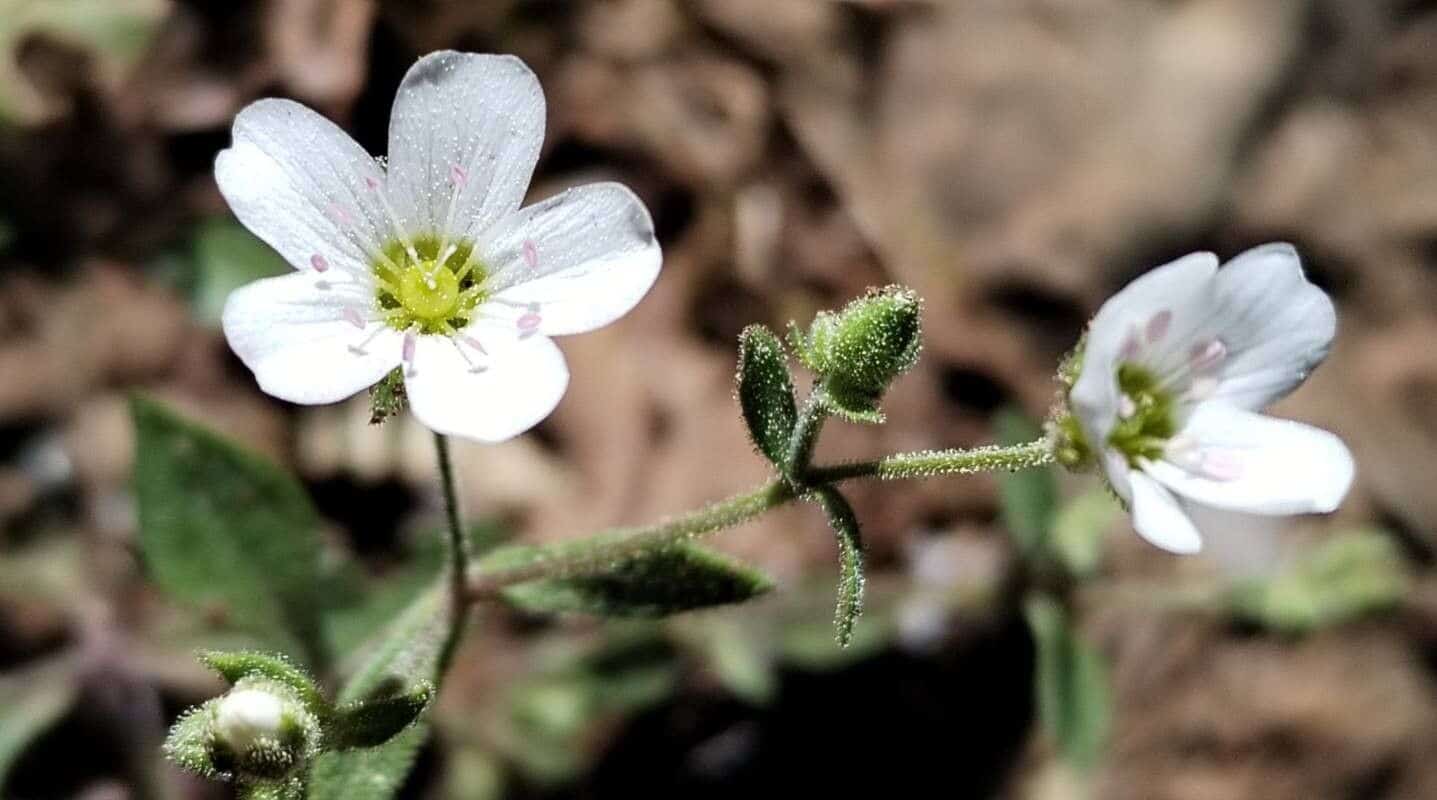
Unveiling the Secrets to Propagating the Iberian Sandwort (Arenaria hispanica)
The Iberian Sandwort, scientifically known as Arenaria hispanica, is a charming, low-growing perennial cherished for its delicate beauty. Its dainty white flowers, sprinkled like snowflakes across its foliage, can transform any rock garden, crevice, or alpine trough into a breathtaking sight. If you, like many gardening enthusiasts, have fallen for its charm, you might be wondering about the best ways to propagate this little gem. Well, you’re in luck! This article delves into the secrets of successfully multiplying your Iberian Sandwort collection.
Two Paths to Propagation
There are two primary methods for propagating Arenaria hispanica: seed sowing and taking cuttings. Each technique offers its own set of advantages, and the best choice for you will depend on your resources, patience, and desired outcome.
1. Sowing the Seeds of Success
Propagating Iberian Sandwort from seed is a rewarding experience that allows you to witness the plant’s entire lifecycle. Here’s a step-by-step guide:
- Seed Collection: Collect seeds from mature plants in late summer or early fall. You can also purchase seeds from reputable nurseries or online retailers.
- Sowing Time: Sow seeds in late winter or early spring, about 6-8 weeks before the last expected frost in your area.
- Soil Preparation: Use a well-draining seed-starting mix and moisten it thoroughly.
- Sowing Depth: Scatter seeds evenly on the surface of the soil and lightly press them down. Do not bury the seeds, as they require light to germinate.
- Germination Conditions: Cover the seed tray with a clear plastic dome or wrap to maintain humidity. Place the tray in a bright location, out of direct sunlight, with temperatures around 65-70°F (18-21°C).
- Transplanting Time: Once the seedlings have developed a couple of true leaves, typically after 4-6 weeks, transplant them into individual pots or directly into your garden.
2. Taking the Cutting Edge
If you’re looking for a quicker propagation method that ensures plants identical to the parent, taking cuttings is the way to go.
- Cutting Time: The optimal time for taking cuttings is in late spring or early summer, when the plant is actively growing.
- Cutting Selection: Choose healthy, non-flowering stems that are about 3-4 inches (7-10 cm) long.
- Cutting Preparation: Using a sharp, sterilized knife or scissors, make a clean cut just below a leaf node. Remove the lower leaves from the cutting, leaving only a few at the top.
- Rooting Hormone (Optional): Dip the cut end of the stem in rooting hormone powder to encourage faster root development.
- Planting the Cutting: Insert the prepared cutting into a pot filled with a well-draining potting mix. Gently firm the soil around the cutting to secure it.
- Creating a Humid Environment: Water the cutting thoroughly and cover the pot with a clear plastic bag or use a propagation dome to create a humid environment.
- Transplanting: Once the cutting shows signs of new growth, typically after 4-6 weeks, it indicates that roots have developed. At this stage, you can transplant the rooted cutting into a larger pot or your garden.
Caring for Your Propagated Plants
Regardless of the propagation method you choose, providing proper care is crucial for the successful establishment of your new Iberian Sandwort plants. Ensure they receive ample sunlight, well-drained soil, and regular watering, especially during dry periods.
By following these propagation techniques and providing attentive care, you can easily multiply your collection of Iberian Sandwort and enjoy its delicate beauty for years to come. So, why wait? Embark on your propagation journey today and watch as your garden transforms into a tapestry of captivating white blooms.