
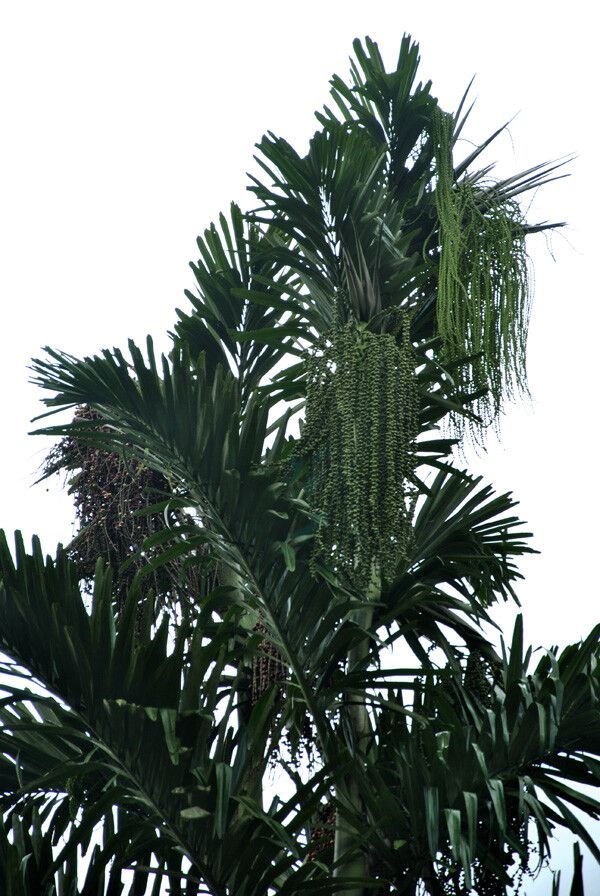
Unveiling the Secrets: Propagating the Exquisite Arenga Microcarpa Palm
The Arenga microcarpa, also known as the Taiwan Sugar Palm, is a stunning addition to any tropical garden with its lush, feather-like fronds and compact size. While admiring these beauties in established gardens is a treat, imagine having the satisfaction of growing your own! Propagating Arenga microcarpa might sound like a task for seasoned green thumbs, but fear not! With a little patience and the right know-how, you can successfully propagate this magnificent palm and welcome its tropical charm to your own space.
Seeds: The Gateway to New Beginnings
The most common method for propagating Arenga microcarpa is through seeds. Here’s how to embark on your propagation journey:
Source Fresh Seeds: Look for reputable online retailers specializing in palm seeds. Fresh seeds are crucial for successful germination.
Prepare for Germination: Soak the seeds in lukewarm water for 24-48 hours. This softens the tough outer shell and encourages faster sprouting.
Choose Your Growing Medium: A well-draining seed-starting mix is ideal. Moisten the mix before sowing.
Sow with Care: Plant each seed about an inch deep in the prepared medium, ensuring it’s firmly covered.
Warmth is Key: Arenga microcarpa seeds thrive in warm conditions. A heat mat set to around 80-85°F (27-29°C) significantly improves germination rates.
Be Patient: Germination can take anywhere from a few weeks to several months. Maintain consistent moisture and warmth throughout this period.
- Transplanting Triumph: Once your seedlings have developed a few sets of true leaves and a strong root system (usually after 6-12 months), they’re ready to be transplanted into individual pots.
Beyond Seeds: Exploring Offsets
While slightly less common, Arenga microcarpa can also be propagated through offsets or pups. Offsets are smaller versions of the parent plant that sprout at the base. Here’s how to propagate using offsets:
Identify and Separate: Look for healthy offsets with a well-developed root system. Carefully separate them from the parent plant using a sharp, clean knife.
Potting Up: Plant the separated offsets in individual pots using a well-draining potting mix. Ensure the base of the offset is level with the soil surface.
- Nurture and Grow: Water the newly potted offsets thoroughly and place them in a warm, shaded location. Avoid direct sunlight until they establish themselves.
Tips for Success:
- Well-Draining Soil: Arenga microcarpa are susceptible to root rot, so using a well-draining soil mix is vital throughout their life cycle.
- Warmth and Humidity: Mimic their natural tropical environment by providing ample warmth and humidity, especially during the early stages of growth.
- Bright, Indirect Light: While they appreciate bright light, avoid exposing young plants to harsh, direct sunlight, which can scorch their delicate leaves.
Propagating Arenga microcarpa requires patience, but the reward of nurturing these palms from seed or offset to mature plants is incredibly fulfilling. Witnessing their unique beauty unfold in your own garden is an experience worth savoring. So, embrace the journey of propagation, and allow these botanical wonders to bring a touch of the tropics to your own backyard paradise.