
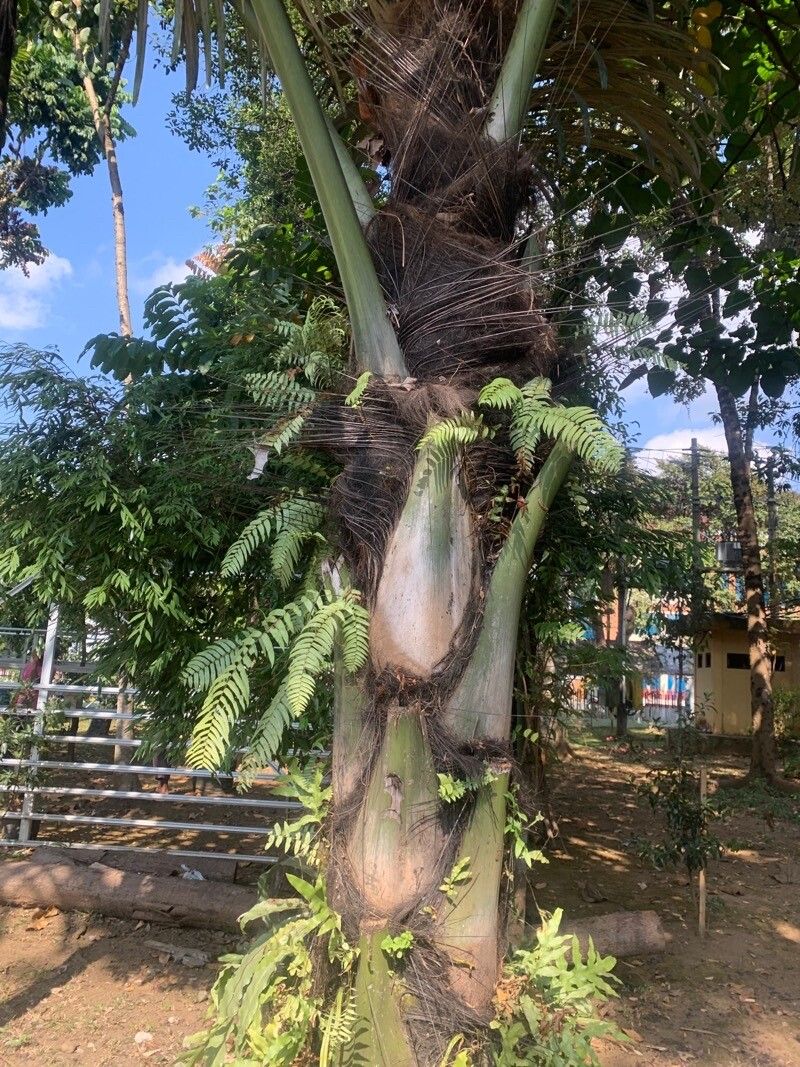
Propagating Arenga pinnata: Unveiling the Secrets of the Sugar Palm
Introduction:
Arenga pinnata, commonly known as the sugar palm, is a striking monocotyledonous plant prized for its versatility and aesthetic appeal. Characterized by its feathery, pinnate leaves and robust growth habit, this palm species holds significant horticultural importance. Its sap is a source of sugar and other products, and its fibers find use in various applications. While its majestic appearance makes it a sought-after addition to gardens, propagating Arenga pinnata presents unique challenges, making successful cultivation particularly rewarding. Its relatively slow growth rate further adds to the satisfaction of nurturing this impressive plant.
Seed Germination:
Seed germination in Arenga pinnata is viable, though it possesses significant challenges. The primary hurdle is the hard, fibrous seed coat which inhibits water absorption and germination. Successful germination often requires pre-treatment to break this dormancy.
Challenges: Slow and inconsistent germination rates, hard seed coat inhibiting water uptake, susceptibility to fungal diseases during germination.
Practical Tips: Soak seeds in warm water for 24-48 hours before sowing. Consider scarification (carefully nicking the seed coat) to improve water penetration. Sow seeds individually in well-draining potting mix, ensuring adequate moisture retention but avoiding waterlogging. Maintain a warm, humid environment (around 25-30°C). A bottom heat propagator can be beneficial. The use of fungicides can prevent fungal attacks.
Rewards: High genetic diversity among seedlings, potential for large-scale propagation for commercial or conservation purposes, the satisfaction of witnessing the germination of this unique palm.
Cuttings:
Currently, there are no known reliable methods for vegetative propagation of Arenga pinnata using cuttings. The palm’s physiology does not lend itself easily to this method.
Division:
Division of established Arenga pinnata clumps is a possible propagation method, although it is infrequently used due to the inherent difficulty. The large, intertwined root system makes separating the plant without causing significant damage challenging.
Challenges: High risk of damaging the root system leading to plant mortality. Difficulty in dividing mature plants. Slow establishment of divided sections.
Practical Tips: The best approach is to attempt division only with mature specimens during periods of active growth. Use sharp, sterile tools to minimize injury to the roots and minimize the amount of root disturbance. Plant the separated sections immediately in well-prepared, nutrient-rich soil. Provide consistent moisture and shade until re-establishment.
Rewards: Faster establishment compared to seed germination, genetic uniformity, higher success rate than seed propagation of established sub-plants
Tissue Culture:
Tissue culture offers a promising avenue for Arenga pinnata propagation. While research specific to this palm may be limited, the technique’s potential to overcome the difficulties associated with other methods is clear.
Challenges: Requires specialized laboratory equipment, sterile environment, and technical expertise. Development of optimal culture media for successful propagation can be time-consuming and requires significant experimentation. The potential for contamination with microbes can lead to costly failure
Practical Tips: Use established protocols for palm tissue culture as a starting point. Experiment with varied media compositions, growth regulators, and sterilization techniques to optimize growth and multiplication rates. Establishing a robust protocol requires patience and iterative experimentation
Rewards: High multiplication rates, allowing for rapid propagation and conservation efforts. Production of disease-free planting material. Potential to propagate rare or endangered genotypes.
Conclusion:
Propagating Arenga pinnata presents a spectrum of challenges across different methods. Seed germination, while possible, demands patience and careful attention to detail. Division offers a slightly higher success rate but carries risks of root damage and requires careful handling. Tissue culture holds the highest potential for efficient propagation, albeit with significant technical demands. The rewards, however, are well worth the effort. The unique satisfaction derived from watching a sugar palm germinate from seed, or from successfully establishing a newly divided plant, is undeniable. For aspiring propagators, persistence, attention to detail, and a willingness to learn from failures are keys to successfully cultivating this impressive plant. Each method has clear advantages and disadvantages – so selecting the best method depends on your resources and the number of palms you wish to propagate.