
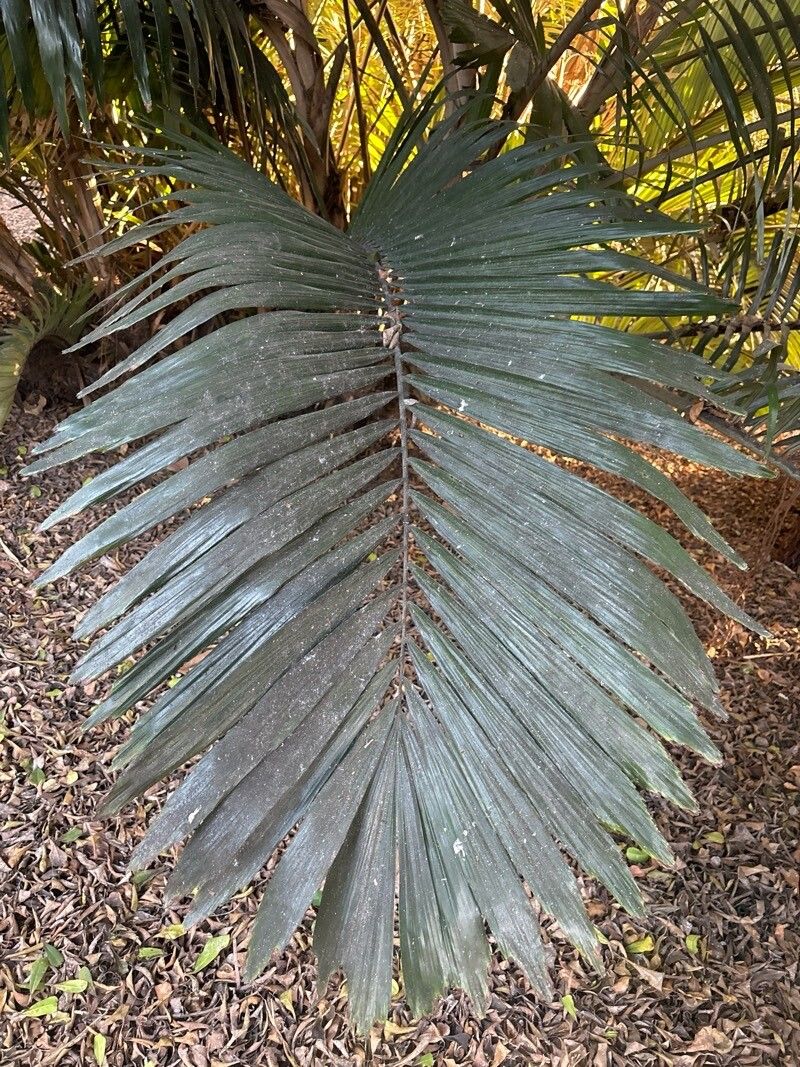
Unveiling the Secrets to Propagating the Majestic Arenga porphyrocarpa
The Arenga porphyrocarpa, with its striking silver-backed leaves and exotic allure, is a tropical treasure coveted by plant enthusiasts. Native to the rainforests of Borneo, this palm species, while a sight to behold, can be quite particular about its propagation. But fret not, intrepid plant parent! This guide will unveil the secrets to successfully welcoming new Arenga porphyrocarpa into your world.
The Seed of Success: Arenga porphyrocarpa from Seed
Propagating Arenga porphyrocarpa primarily relies on the magic of seeds. But patience, young Padawan, for this is no quick endeavor! Here’s a step-by-step guide to embark on this rewarding journey:
- Source Your Seeds: Obtaining fresh, viable seeds is paramount. Reputable online sellers specializing in rare palms are your best bet.
- Prepare for Germination: Soak the seeds in lukewarm water for 24-48 hours to enhance germination rates.
- Create the Perfect Nursery: Utilize a well-draining potting mix specifically designed for palms. Sow the seeds about an inch deep in small pots or seed trays.
- Warmth and Humidity are Key: Maintain a consistently warm environment – ideally around 80-85°F (27-29°C). A heated propagation mat can be a worthwhile investment. High humidity is crucial; use a humidity dome or place the pots in a sealed plastic bag.
- The Waiting Game: This is where your patience will be tested. Germination can take anywhere from a few months to over a year. Ensure the potting mix remains consistently moist but not waterlogged.
- Celebrate the Sprout: Once the seedlings emerge, gradually acclimate them to ambient humidity levels by progressively opening the dome or bag. Once they have a few sets of true leaves, they can be carefully transplanted into larger pots.
Beyond Seeds: Exploring Alternative Propagation Methods
While seed propagation is the most common method for Arenga porphyrocarpa, experienced plant enthusiasts have reported limited success with offsets. Occasionally, the palm might produce offshoots or “pups” at the base. These can be carefully separated from the mother plant and potted individually. However, success rates with this method are generally lower, and it requires careful observation and a gentle hand.
Nurturing Your Arenga porphyrocarpa Progeny
Successfully germinating your seeds or rooting an offset is just the first step. Young Arenga porphyrocarpa require attentive care to thrive:
- Bright, Indirect Light: These palms naturally grow in the dappled shade of the rainforest canopy. Replicate this by providing bright, indirect light indoors or partial shade outdoors.
- Well-Draining Soil: Use a chunky, well-draining potting mix to prevent root rot, a common issue with these palms.
- Consistent Moisture: Keep the soil evenly moist but avoid overwatering. Allow the top inch of soil to dry out slightly between waterings.
- Warm Temperatures: Aim for temperatures consistently above 65°F (18°C). They are sensitive to cold and should be protected from frost.
Propagating Arenga porphyrocarpa might require a touch of patience and dedication, but the rewards are well worth it. Witnessing these botanical jewels flourish from seed to majestic palm under your care is an immensely satisfying experience. So embrace the journey, and may your home soon be graced by the captivating presence of the Arenga porphyrocarpa!