
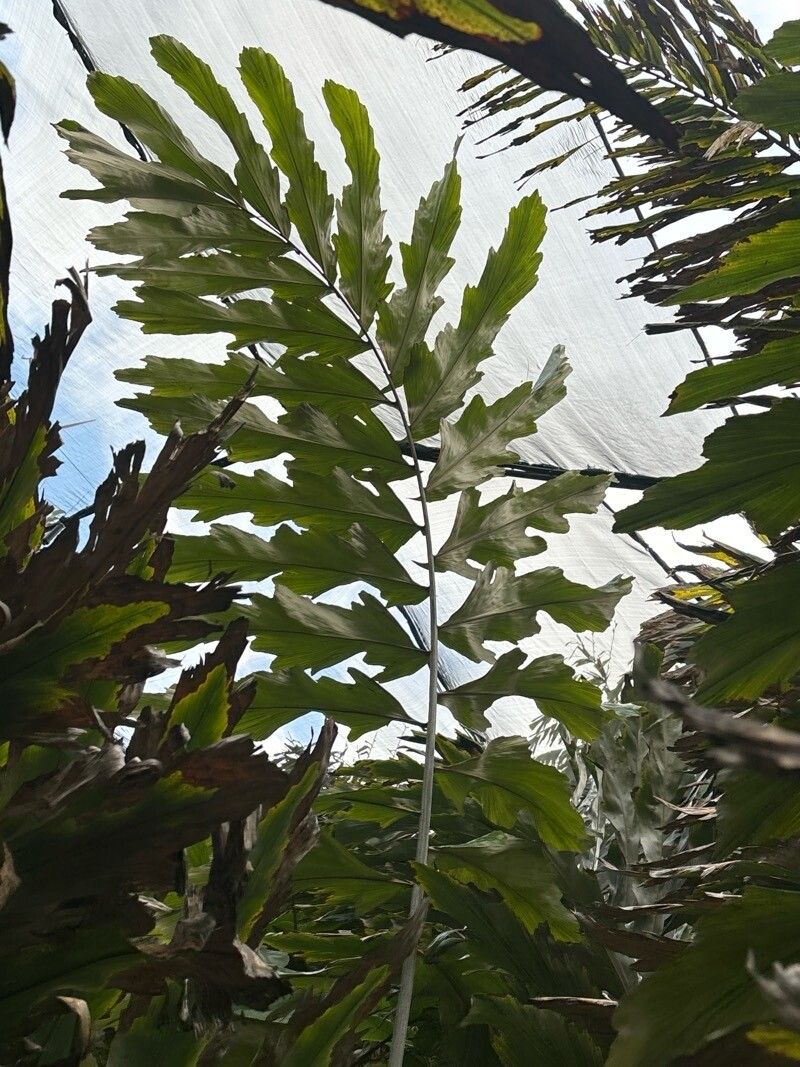
Riding the Waves of Propagation: A Guide to Multiplying Your Arenga Undulatifolia
The Arenga undulatifolia, with its dramatically arching fronds and intriguing, wavy leaf margins, is a showstopper in any tropical garden. This palm, native to Southeast Asia, adds a touch of the exotic wherever it grows. But if you’re lucky enough to possess one, you might be wondering how to create more of these beauties. Fear not, propagation isn’t as daunting as you might think! Let’s dive into the world of Arenga undulatifolia propagation.
Understanding the Basics: Seeds vs. Suckers
Propagating Arenga undulatifolia primarily happens in two ways:
- Seeds: This method, while rewarding, requires patience. Fresh seeds offer the highest chance of germination. Look for plump, dark-colored seeds, free from damage.
- Suckers: This method takes advantage of the plant’s natural tendency to produce offshoots, or “suckers,” at its base. It’s a quicker route to obtain a mature plant compared to starting from seed.
Method 1: Starting from Seed – Patience Yields Rewarding Waves
- Soak and Sow: Begin by soaking your seeds in lukewarm water for 24-48 hours. This helps soften the outer shell and encourages germination. Plant the soaked seeds in a well-draining seed starting mix, about an inch deep.
- Warmth and Humidity: Arenga undulatifolia seeds thrive in warm, humid conditions. A seedling heat mat can be beneficial, maintaining a soil temperature around 80-85°F. Enclosing the pot in a clear plastic bag can help retain moisture – remember to ventilate regularly to prevent fungal growth.
- Germination Delights: Germination can be a waiting game, ranging from a few months to even a year. Patience is key! Once your seedlings sprout, providing ample bright, indirect light is crucial for healthy growth.
- Potting Up: When seedlings develop a good root system and several leaves, they’re ready for individual pots. Choose a well-draining potting mix and a container slightly larger than the root ball.
Method 2: Propagating from Suckers – Riding the Wave of Established Growth
- Identify and Separate: Mature Arenga undulatifolia often produce suckers at their base. Look for healthy offshoots with their own root system. Carefully separate them from the mother plant using a clean, sharp knife, ensuring you retain as much of their roots as possible.
- Potting the Offspring: Plant the separated suckers in pots filled with a well-draining potting mix. Ensure the base of the sucker sits at the same soil level as it was in the ground. Water thoroughly.
- Nurturing New Beginnings: Place the newly potted suckers in a shady location, gradually introducing them to brighter light as they establish themselves. Maintain consistently moist soil, but avoid overwatering.
Ongoing Care: Guiding Your Undulatifolia to Success
Whether you’re nurturing seedlings or transplanted suckers, consistent care is key for healthy growth.
- Light: Provide bright, indirect light. While Arenga undulatifolia can tolerate some sun, harsh rays can scorch their leaves.
- Water: Water consistently, allowing the top inch of soil to dry out between waterings. Good drainage is essential to prevent root rot.
- Humidity: As a tropical plant, Arenga undulatifolia appreciates higher humidity levels. Misting the leaves regularly can be beneficial, especially in drier climates.
- Fertilizer: Feed your plants during the growing season (spring and summer) with a balanced, diluted liquid fertilizer.
Propagating Arenga undulatifolia might require a bit of patience, but the rewards are well worth the wait. By following these guidelines and nurturing your new plants with care, you’ll soon have a flourishing collection of these magnificent palms, adding a touch of the tropics to your surroundings for years to come.