
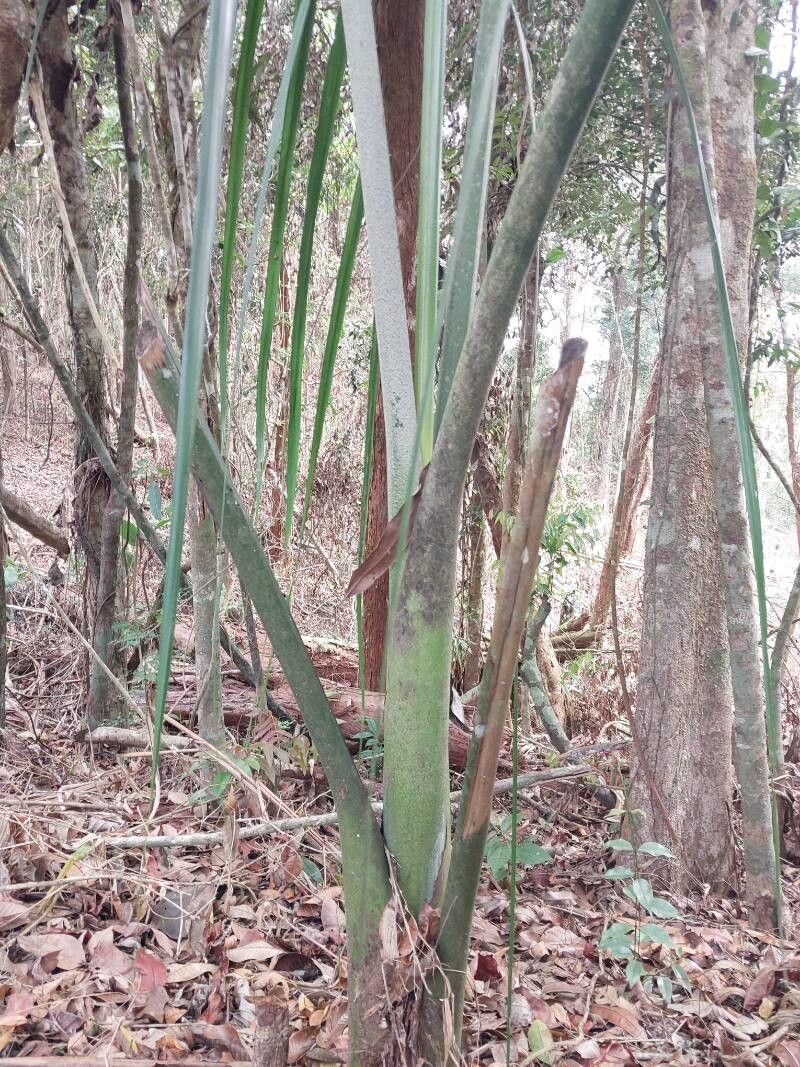
Propagating Arenga wightii: A Gardener’s Challenge
Arenga wightii, commonly known as the Wightii Sugar Palm or sometimes simply as Arenga palm, is a captivating species prized for its elegant, feathery foliage and relatively compact size compared to other Arenga varieties. Its tolerance of partial shade and adaptability to a range of soil conditions make it a desirable addition to gardens, particularly in tropical and subtropical regions. However, its propagation presents a unique set of challenges, making success a rewarding accomplishment for the dedicated gardener.
Seed Germination:
Currently, there are no known reliable methods for seed germination propagation of Arenga wightii. While the palm does produce seeds, germination rates are extremely low, and even under optimal conditions, consistent success remains elusive. Research into specific pre-treatment techniques or germination stimulants is needed before seed propagation can be considered a viable option.
Cuttings:
Propagating Arenga wightii from cuttings is also not a reliable method. Arenga palms, like many palms, do not readily produce adventitious roots from stem cuttings. Attempts at rooting stem or leaf-base cuttings have generally yielded poor results. Therefore, this method is not recommended.
Division:
Division of established clumps is a potentially viable method, but carries its own complexities. Challenges include the delicate nature of the root system, which is easily damaged during separation. Furthermore, only mature, well-established plants with multiple suckers are suitable for division.
Practical Tips (if division is attempted):
- Timing: Divide in the spring or early summer when the plant is actively growing.
- Preparation: Carefully remove the soil around the plant to expose the root system.
- Separation: Sharp, clean tools are crucial to minimize damage. Try to separate suckers with their own substantial root mass attached.
- Aftercare: Plant the divisions immediately in well-drained, fertile soil. Provide ample moisture but avoid overwatering.
Rewards: While challenging, successful division offers a relatively quick method to increase the number of plants, avoiding the extended time required for seed germination (if it were possible). However, the limited number of divisions possible per plant makes large-scale propagation difficult.
Tissue Culture:
Tissue culture offers the most promising avenue for the large-scale propagation of Arenga wightii. This technique involves growing plantlets from sterile tissue samples in a controlled laboratory environment. While this method is more complex and technically demanding, requiring specialized equipment and expertise, it offers the potential for high rates of propagation and the creation of disease-free plants.
Challenges: Establishing optimized protocols for Arenga wightii tissue culture will require significant research and investment.
Rewards: The potential rewards are significant: mass production of genetically uniform plants, disease elimination, preservation of rare genotypes, and accelerated propagation for commercial or conservation purposes.
Conclusion:
Propagating Arenga wightii presents distinct challenges across all common methods. Seed germination currently appears unfeasible, while cutting propagation yields minimal success. Division, though possible, is limited by the mature plant’s size and root structure. Tissue culture remains the most promising technique but demands significant expertise and resources.
The very difficulty of propagating this palm, however, contributes to the unique satisfaction derived from successful cultivation. Overcoming these hurdles to enjoy the elegant presence of Arenga wightii in your garden is a testament to horticultural persistence and a rewarding experience. For aspiring propagators, starting with tissue culture (if feasible within your resources and expertise) promises the best chance of success. For those wishing to try division, patience and meticulous care are key. The beautiful reward awaiting those who nurture this challenging palm is worth the effort.