
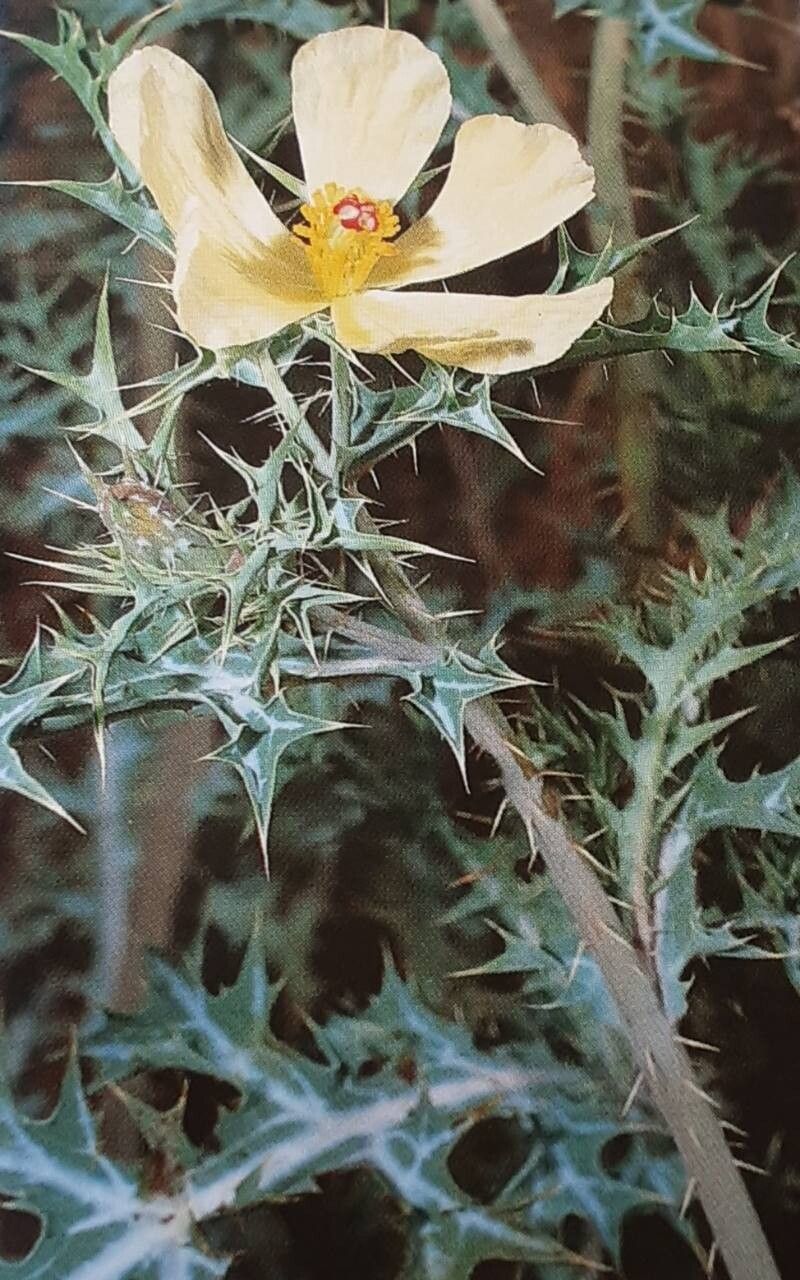
Propagating Argemone ochroleuca: Cultivating the Pale Prickly Poppy
Introduction:
Argemone ochroleuca, commonly known as the pale prickly poppy, is a striking herbaceous annual or short-lived perennial boasting delicate, creamy-yellow to pale-lemon flowers. Its spiny leaves and distinct flower structure make it a captivating addition to any garden, particularly those seeking drought-tolerant, low-maintenance options. While its beauty is readily appreciated, propagating Argemone ochroleuca presents unique challenges, making its successful cultivation all the more rewarding. Its popularity among gardeners stems from its striking appearance and relative ease of establishment once grown, but propagation is where the real test lies.
Seed Germination:
Seed germination is a viable method for propagating Argemone ochroleuca, but it presents some challenges. The seeds possess a relatively hard seed coat which can hinder water uptake and germination.
Challenges: Slow and inconsistent germination rates are common.
Practical Tips: Scarification (lightly nicking the seed coat with sandpaper or a file) can improve germination success. Sowing seeds directly outdoors in well-drained soil after the last frost is recommended. A light covering of soil is sufficient. Maintaining consistent moisture (but avoiding waterlogging) is crucial during germination. Warm temperatures (65-75°F or 18-24°C) promote faster germination.
Rewards: Seed germination offers the advantage of genetic diversity, resulting in a wider range of plant characteristics. It’s also a cost-effective method for large-scale propagation, especially for gardeners aiming to establish multiple plants.
Cuttings:
Currently, there are no known reliable methods for propagating Argemone ochroleuca from cuttings. Stem or root cuttings exhibit extremely low success rates, likely due to the plant’s physiology and susceptibility to rot.
Division:
Division is not a practical method for propagating Argemone ochroleuca. The plant’s fibrous root system doesn’t readily lend itself to division, and attempts to separate the plant often result in damage and mortality.
Tissue Culture:
Tissue culture offers a potential, albeit technically challenging, avenue for propagating Argemone ochroleuca. This method requires specialized equipment, sterile conditions, and expertise in plant tissue culture techniques.
Challenges: Establishing aseptic conditions and developing a suitable media for shoot and root development are crucial yet difficult steps.
Practical Tips: This propagation method is best left to experienced tissue culture laboratories or researchers. Standard protocols may need significant modification for optimal results with Argemone ochroleuca.
Rewards: Tissue culture could potentially yield large numbers of genetically identical plants, ideal for commercial production or the preservation of specific desirable traits.
Conclusion:
Propagating Argemone ochroleuca presents a unique set of challenges. While seed germination offers a viable, albeit somewhat unpredictable, approach, other methods like cuttings, division, and even tissue culture prove far more difficult. However, the effort invested yields significant rewards. The successful cultivation of this beautiful poppy from seed, despite the hurdles, provides a distinct sense of accomplishment. The delicate, pale flowers that unfurl as a result are a testament to the patience and care involved. For aspiring propagators, starting with seed germination, employing scarification, and providing consistent moisture are key recommendations. Remember that patience and careful observation are vital for cultivating this uniquely beautiful plant. The final payoff of successfully nurturing this prickly beauty makes the challenges well worth the effort.