
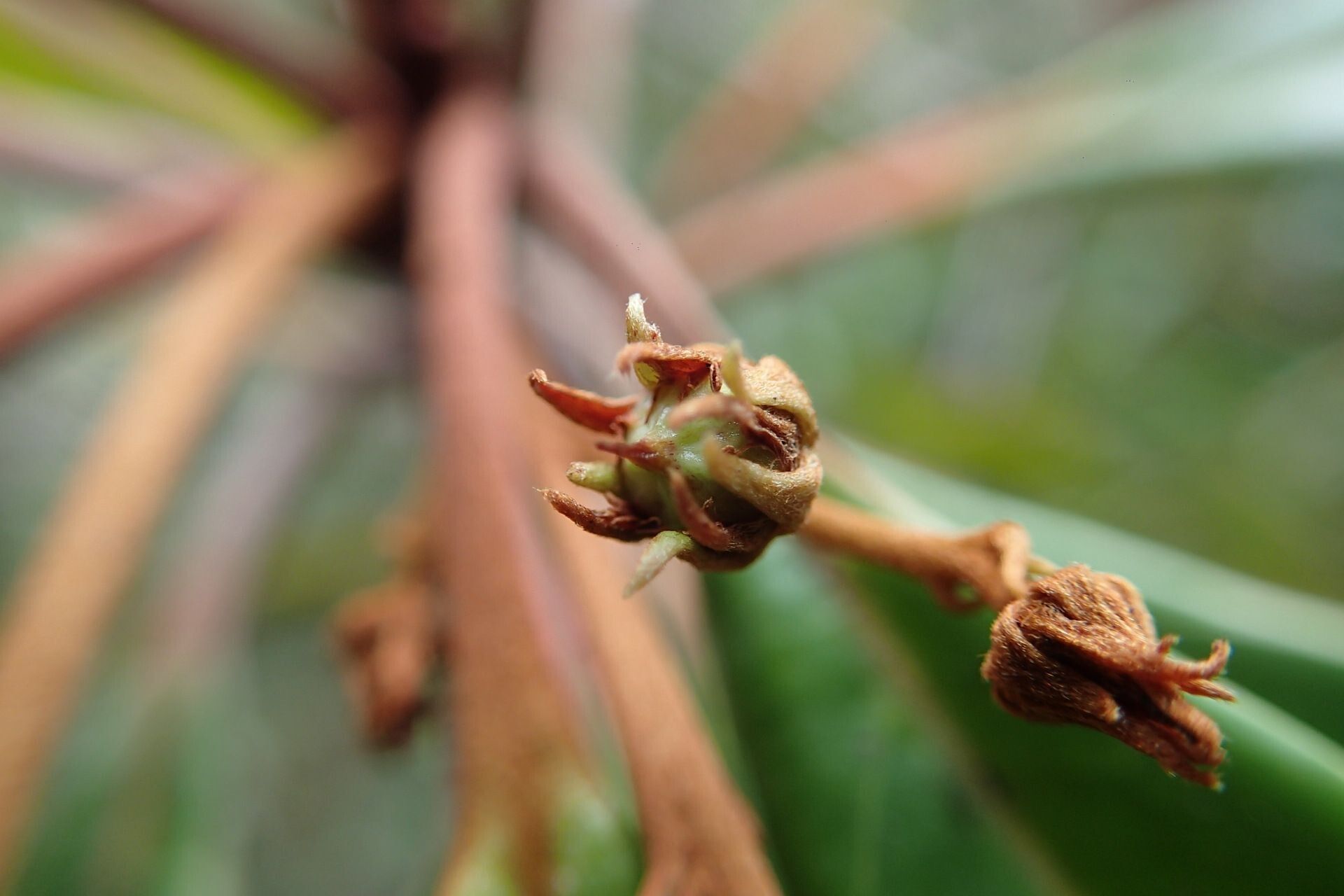
Propagating Argophyllum riparium: A Gardener’s Challenge
Introduction
Argophyllum riparium, also known as the river argophyllum or river silverleaf, is a striking Australian native shrub prized for its silvery, ovate leaves and attractive, though less showy, creamy-white flowers. Its tolerance of moist conditions makes it a valuable addition to waterside gardens or areas with consistently damp soil. While its relatively slow growth might be considered a limiting factor, its unique foliage and hardiness have earned it a place in the hearts of many gardeners, prompting exploration into its propagation methods. The popularity of Argophyllum riparium has fueled interest in efficiently propagating this appealing species, leading to investigations into various techniques.
Seed Germination
Currently, there are no known reliable methods for seed germination propagation of Argophyllum riparium. While the plant produces seeds, their viability and germination rate appear to be extremely low, making seed propagation impractical for most gardeners. Research into specific germination requirements is needed before this method becomes a viable option.
Cuttings
Cuttings offer a more promising approach to propagating Argophyllum riparium.
Challenges: Success with cuttings requires careful attention to detail. The relatively slow rooting rate is a significant hurdle. The possibility of fungal infections needs to be mitigated with sterile techniques.
Practical Tips: Semi-hardwood cuttings taken in late spring or early summer exhibit the best rooting potential. Using a rooting hormone significantly increases success rates. Employing a propagation mix that retains moisture but is well-draining is crucial. Maintaining high humidity (e.g., using a humidity dome or propagator) is also recommended. Regular misting is essential to prevent desiccation. Keeping cuttings in indirect sunlight is critical to prevent scorching.
- Rewards: Cuttings allow for the preservation of desirable traits from mature plants, ensuring genetic consistency. It’s a relatively straightforward method once mastered, offering a practical approach for small-scale propagation.
Division
Division of established Argophyllum riparium plants is a viable technique, especially for gardeners who already have mature specimens.
Challenges: This method is only suitable for mature plants with well-developed root systems. Care must be taken to avoid damaging the roots during the division process. The plant may experience some stress after division, requiring attentive aftercare.
Practical Tips: Division is best performed in spring or autumn. Use a sharp, clean spade to carefully separate the plant into sections, ensuring each division retains sufficient roots and foliage. Replant immediately in a suitable soil mix and water thoroughly. Provide shade for the first few weeks after division.
- Rewards: Division provides a relatively quick way to increase the number of plants, and minimizes the stress associated with rooting cuttings.
Tissue Culture
Tissue culture offers the potential for large-scale propagation of Argophyllum riparium.
Challenges: Tissue culture requires specialized equipment, expertise, and a sterile environment. Establishing a sterile protocol that consistently produces viable plantlets can be challenging and time-consuming. The initial investment in equipment and supplies is substantial.
Practical Tips: This method necessitates a controlled environment and experienced handling to be successful. Sterile techniques, the use of appropriate media, and the correct growth regulators are critical for successful propagation.
- Rewards: Tissue culture allows for the rapid and efficient multiplication of desirable genotypes, providing a way to produce large numbers of genetically identical plants. This opens up possibilities for commercial propagation and conservation efforts.
Conclusion
Propagating Argophyllum riparium presents some unique challenges across all methods. While seed propagation is currently not reliable, cuttings and division provide viable options for home gardeners. Tissue culture presents a potential solution for commercial propagation or conservation needs. The slower growth rates and requirements for specific environmental conditions necessitate patience and attention to detail.
The reward for successfully propagating this beautiful plant, however, is immense. The satisfaction derived from nurturing a cutting into a thriving shrub or carefully dividing a mature specimen to create new plants is a testament to the gardener’s dedication. The unique silvery foliage of successfully cultivated Argophyllum riparium is a constant source of aesthetic pleasure, well worth the effort invested. Whether you choose cuttings, division, or (in the future) potentially refined seed germination methods, perseverance and careful observation will be your best allies in your quest to propagate this special Australian native.