
Propagating Argostemma sarmentosum: A Gardener’s Guide
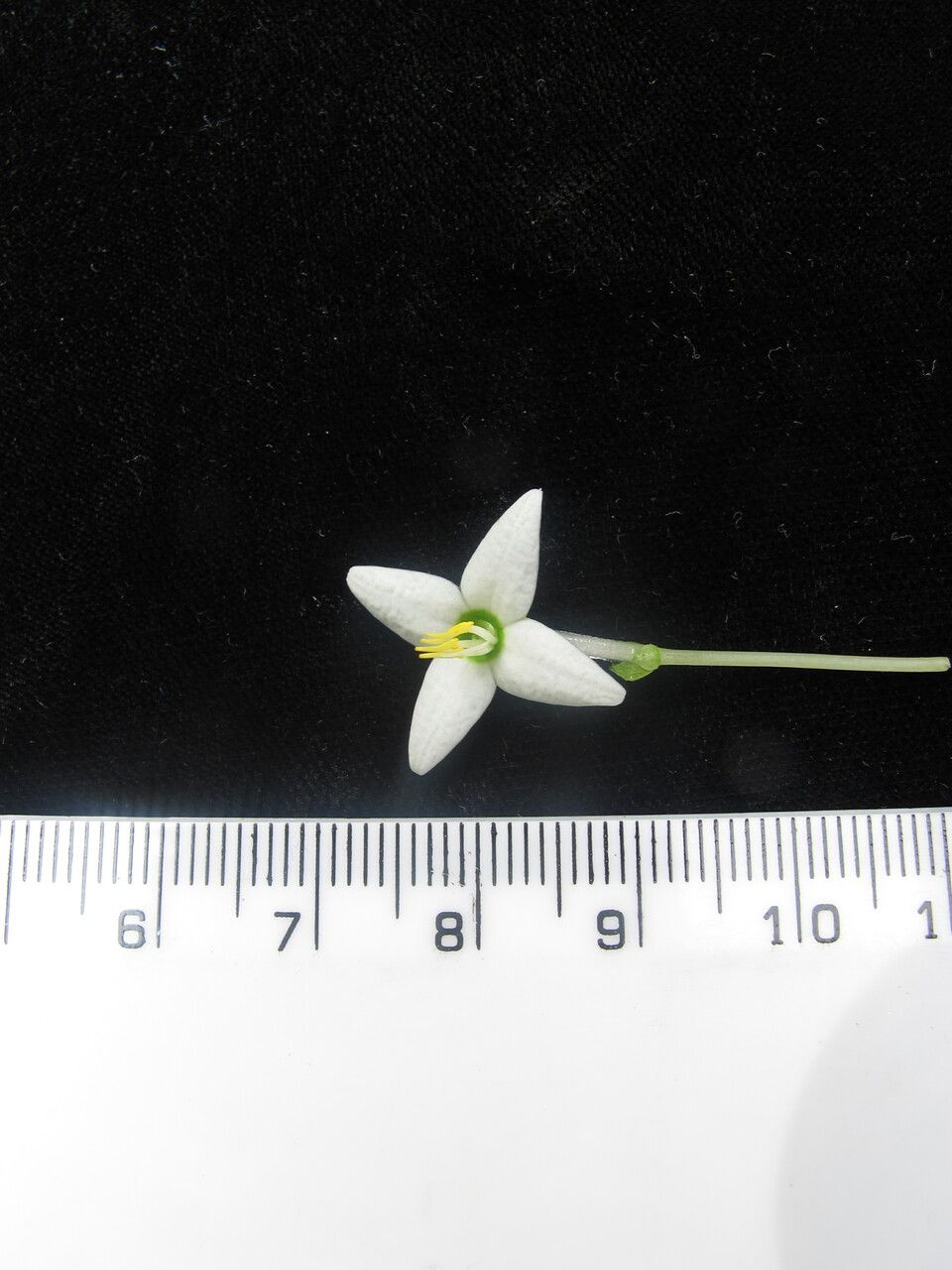
Argostemma sarmentosum, often called the creeping Argostemma or simply creeping star, is a captivating plant prized for its delicate, star-shaped flowers in shades of white and pink. Its trailing habit makes it an excellent choice for hanging baskets, terrariums, or as a ground cover in shaded areas. Its popularity amongst collectors stems from its unusual beauty and the relative challenge in cultivation, making successful propagation a particularly rewarding experience. This article explores various propagation methods for Argostemma sarmentosum.
Seed Germination:
Currently, there are no known reliable methods for seed germination propagation of Argostemma sarmentosum. While the plant produces seeds, their viability and germination rate are extremely low, making this method impractical for the average gardener. Further research into specific seed treatment protocols might unlock this potential, but currently, seed germination is not a recommended approach.
Cuttings:
Cuttings offer a more promising method for propagating Argostemma sarmentosum.
Challenges: The success rate with cuttings can be variable. The plant’s delicate nature means cuttings are susceptible to rot if not handled correctly. Maintaining high humidity and consistent moisture is crucial.
Practical Tips: Take stem cuttings, ideally 4-6 inches long, from healthy, actively growing shoots. Remove lower leaves that would be submerged in the propagation medium. Use a well-draining mix such as perlite and peat moss, or a specialized seed-starting mix. Dip the cut ends in a rooting hormone powder to enhance rooting success. Maintain high humidity by covering the cuttings with a plastic dome or bag, ensuring adequate ventilation to prevent fungal growth. Keep the propagation medium consistently moist but not waterlogged. Bottom heat can also improve rooting.
Rewards: Cuttings provide a relatively rapid method of propagation, allowing gardeners to increase their stock relatively quickly. This method also maintains the genetic characteristics of the parent plant.
Division:
Division is another viable approach, though it’s only feasible when the plant has established a sizable root system.
Challenges: Carefully dividing the plant without damaging the roots is critical to success. Over-division can weaken the parent plant and reduce the chances of survival for the divisions.
Practical Tips: Divide the plant during the active growing season (spring or early summer). Gently loosen the root ball and carefully separate the plant into smaller portions, ensuring each division has sufficient roots and stems. Plant the divisions immediately into a suitable potting mix, keeping the root ball moist but not soggy.
Rewards: Division is a fast and easy method of propagation for established plants and provides a high success rate if performed correctly. It allows for the rapid increase of the plant’s number.
Tissue Culture:
Tissue culture offers a potentially highly efficient method for propagating Argostemma sarmentosum, although it requires specialized laboratory equipment and expertise.
Challenges: Tissue culture is a complex and technically demanding process requiring a sterile environment and a precise understanding of plant tissue culture techniques. It involves significant initial investment in equipment and materials.
Practical Tips: This method requires a controlled environment with sterile conditions and optimized nutrient media specific to Argostemma sarmentosum. This is not usually undertaken by home gardeners due to its level of complexity.
Rewards: Tissue culture provides a method for exponentially increasing the plant number and potentially eliminating disease issues. It is superior to other methods for large-scale commercial propagation.
Conclusion:
Propagating Argostemma sarmentosum presents both challenges and rewards. While seed germination is unreliable, cuttings and division offer viable options for home gardeners. Tissue culture is an advanced technique with a high potential but requires specialized skills and equipment. The satisfaction derived from overcoming the propagation hurdles and successfully cultivating this unique plant is immense, creating a strong connection with its beauty and resilience. For aspiring propagators, patience, meticulous attention to detail, and a willingness to experiment are key to success. Embrace the challenges, learn from setbacks, and enjoy the journey of bringing more of these charming creeping stars into your garden.