Propagating the Marguerite Daisy: A Gardener’s Guide to Argyranthemum haouarytheum
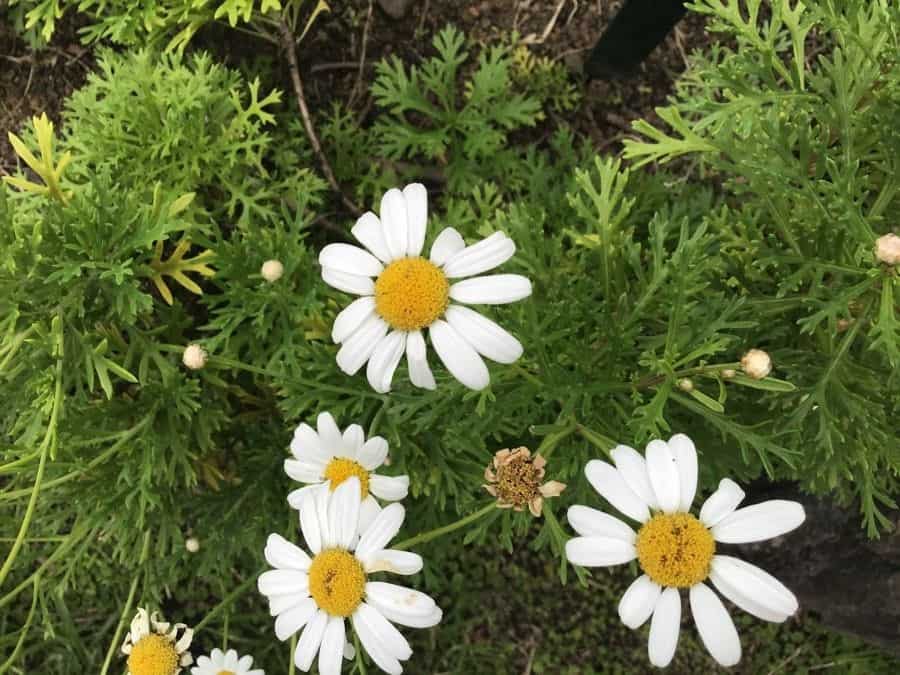
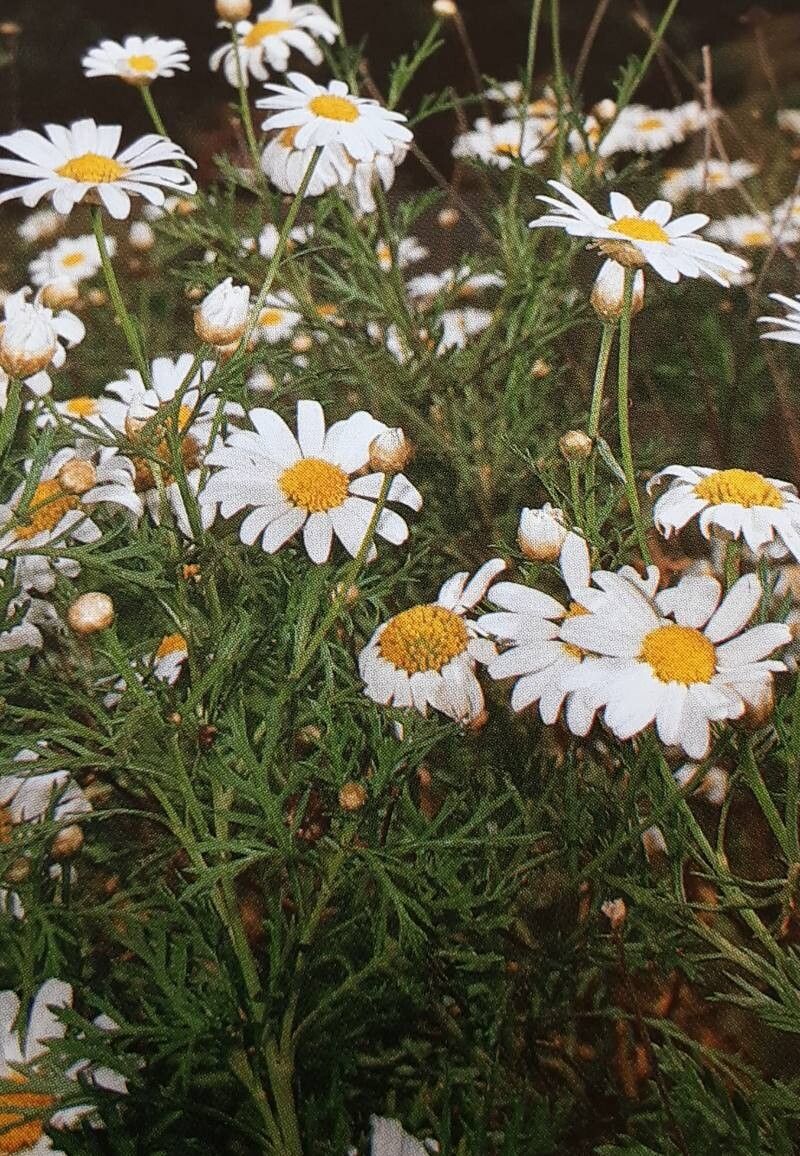
Argyranthemum haouarytheum, commonly known as the Marguerite daisy, is a captivating flowering plant prized for its profuse blooms and delicate foliage. Native to the Canary Islands, its vibrant colors and relatively long flowering season make it a popular choice among gardeners worldwide. While its beauty is readily appreciated, propagating this species presents unique challenges and rewards. Its inherent variability, particularly within the numerous cultivars, makes understanding the best propagation method crucial for maintaining desired traits.
Seed Germination:
Currently, there are no known reliable methods for seed germination propagation of Argyranthemum haouarytheum. While the plant produces seeds, germination rates are notoriously low and the resulting offspring often exhibit significant variation from the parent plant, potentially losing desirable characteristics like flower color or bloom profusion. This unreliability makes seed propagation impractical for most gardeners seeking to preserve specific cultivars.
Cuttings:
Cuttings represent the most common and successful method for propagating Argyranthemum haouarytheum.
Challenges: Success depends on several factors, including the timing (best done in spring or early summer), the use of rooting hormone, and maintaining optimal humidity and temperature. Overwatering can lead to rot, while underwatering inhibits root development.
Practical Tips: Take semi-hardwood cuttings (about 4-6 inches long) from healthy, non-flowering stems. Remove lower leaves, dip the cut end in rooting hormone, and plant in a well-draining potting mix. Cover with a plastic bag or humidity dome to maintain high humidity. Keep the cuttings in a warm, bright location (but out of direct sunlight). Rooting typically takes several weeks.
Rewards: This method ensures the preservation of desirable traits from the parent plant, producing genetically identical offspring. It’s relatively straightforward and allows for the efficient propagation of a large number of plants from a single mother plant.
Division:
Division is a feasible method, particularly for established plants.
Challenges: Division is best attempted in spring or autumn, when the plant is actively growing or entering dormancy. Care must be taken not to damage the root system during division. Each division needs to have sufficient roots and stems to ensure successful establishment.
Practical Tips: Carefully dig up the mature plant and gently separate it into multiple crowns, each with its own root system and several stems. Replant the divisions in well-prepared soil and water thoroughly.
Rewards: Division is a simple and relatively quick method to increase your stock of Marguerite daisies, particularly suited for established plants.
Tissue Culture:
Tissue culture offers a high-potential method for mass propagation of Argyranthemum haouarytheum.
Challenges: This technique requires specialized equipment, a sterile environment, and a considerable level of expertise in plant tissue culture protocols. It is more expensive and time-consuming than other methods.
Practical Tips: Successful tissue culture requires carefully selecting healthy explant material, using appropriate growth media, and maintaining aseptic conditions throughout the process. Commercial nurseries often employ this method for mass production.
Rewards: Tissue culture allows for the rapid and large-scale propagation of genetically identical plants, vital for preserving rare cultivars or supplying large numbers of plants for commercial use.
Conclusion:
Propagating Argyranthemum haouarytheum presents different challenges depending on the chosen method. While seed propagation is unreliable, cuttings offer a readily accessible and highly successful method for gardeners. Division is suitable for established plants, while tissue culture offers large-scale potential but requires technical expertise. The satisfaction of successfully propagating this beautiful plant, particularly by overcoming the hurdles of cuttings or mastering the intricacies of tissue culture, is immense. The vibrant blooms that reward your efforts are a testament to the patience and dedication involved. For the home gardener, mastering the art of cuttings is an excellent starting point on your journey to enjoy the beautiful Marguerite Daisy in abundance.