
Seeding the Silver Sword: A Look at Propagating Hawai’i’s Majestic Plant
High atop the volcanic slopes of Haleakalā, a breathtaking sight awaits. Emerging from the stark, otherworldly landscape, the ʻĀhinahina, or Silversword (Argyroxiphium sandwicense), stands as a testament to nature’s resilience and beauty. Its silvery leaves, radiating outwards like a starburst, have captivated visitors for centuries. But have you ever wondered how this iconic plant, found only in the most extreme environments, reproduces and thrives? Let’s delve into the fascinating world of Silversword propagation.
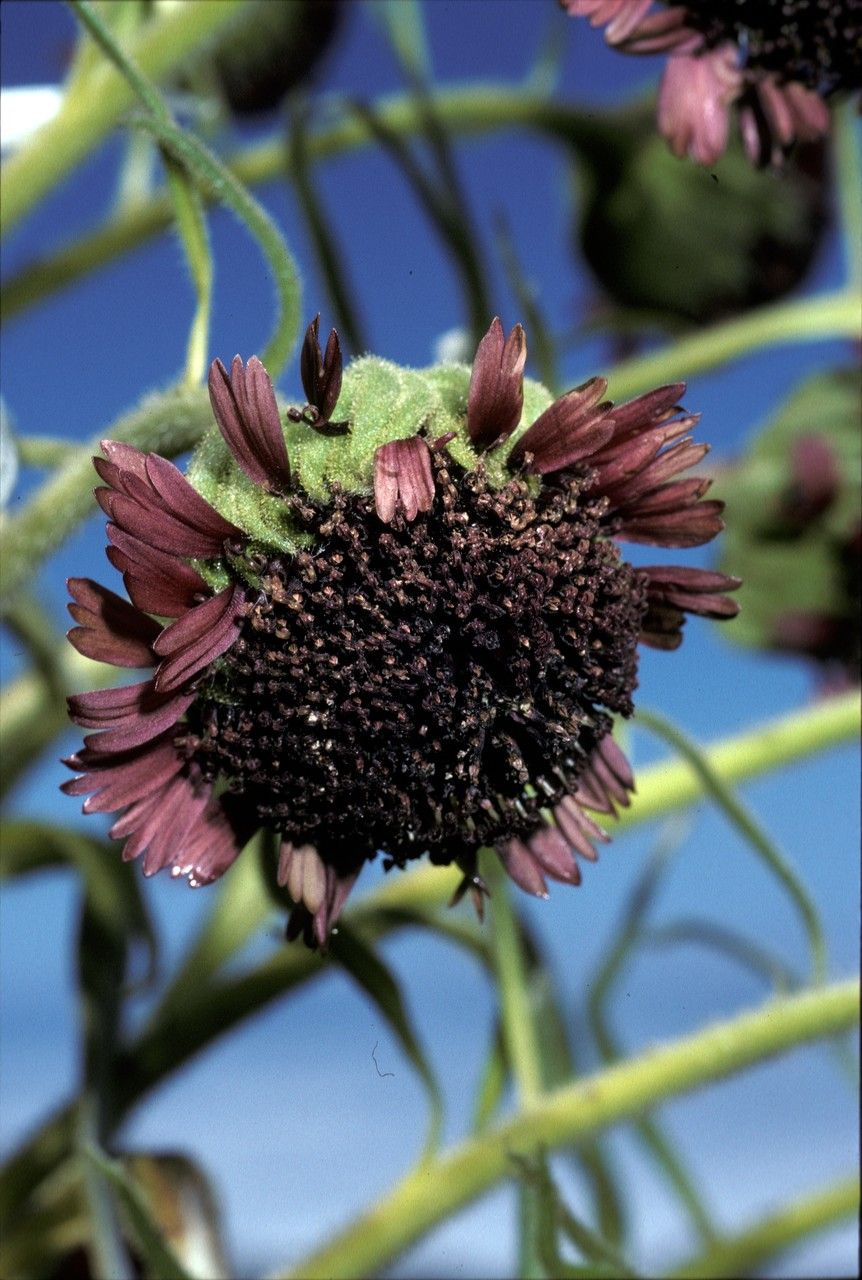
The journey begins with the Silversword’s impressive bloom. After living for several decades, the plant expends its energy in one final, glorious display, sending up a towering stalk adorned with hundreds of small, sunflower-like blooms. These flowers, a vibrant splash of purple against the stark landscape, attract a variety of pollinators, including insects and birds, ensuring the continuation of the species.
Once pollinated, the flowers give way to countless minute seeds, each carrying the genetic blueprint of this extraordinary plant. However, the Silversword’s natural propagation is a precarious dance between resilience and fragility. The seeds, dispersed by the wind, face a challenging journey. Many land on inhospitable ground, scorched by the sun or lacking vital nutrients. Only a select few find their way to ideal conditions – sheltered crevices with just enough moisture and protection from the elements.
These lucky seeds germinate, sending down delicate roots into the volcanic soil. Even then, the journey is far from over. The seedlings face intense competition from other plants, herbivory from introduced animals, and the ever-present threat of drought and frost. The odds of survival are slim, highlighting the importance of conservation efforts.
But what about propagating Silverswords outside their natural habitat? While not impossible, it’s a challenging endeavor best left to experienced botanists and conservationists. Here’s why:
- Specific environmental needs: Silverswords require specific conditions to thrive – well-draining soil, cool temperatures, high light intensity, and low humidity. Replicating these conditions outside their natural habitat can be difficult.
- Seed viability: The seeds are extremely small and have a short viability period, making successful germination a delicate process.
- Specialized care: Young plants are particularly vulnerable and require meticulous care, including careful watering, protection from pests, and monitoring for signs of disease.
However, hope remains for those passionate about preserving this iconic species. Organizations like the University of Hawaiʻi’s Plant Extinction Prevention Program (PEPP) are actively involved in Silversword conservation. They collect seeds, propagate plants in controlled environments, and reintroduce them to the wild, ensuring the continued survival of these majestic plants.
Propagating the Silversword is not merely about growing a plant; it’s about preserving a legacy. It’s about understanding the delicate balance of life in a harsh environment and taking action to ensure its future. As we marvel at the beauty of the Silversword, let us remember the importance of protecting these precious ecosystems and supporting the dedicated individuals working tirelessly to safeguard their future.