
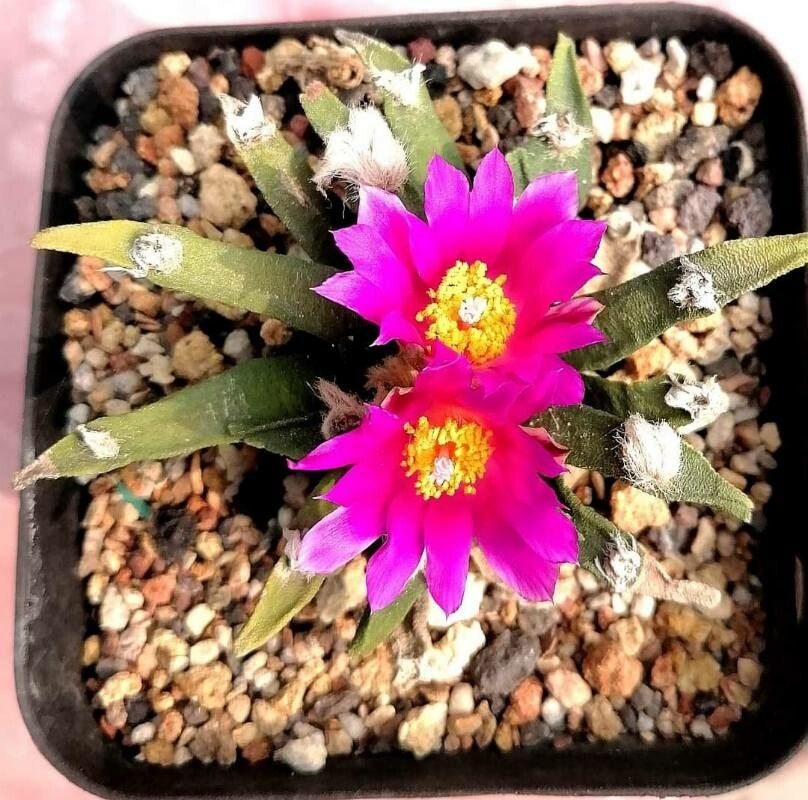
Cracking the Code: Propagating the Living Rock Cactus (Ariocarpus fissuratus)
The Ariocarpus fissuratus, fondly nicknamed the “Living Rock Cactus,” is a master of disguise. Its low-growing, geometric form blends seamlessly into the rocky landscapes it calls home. This intriguing plant, with its wrinkled, fissure-patterned tubercles and stunning pink blooms, is a coveted addition to any succulent collection. But for a cactus that thrives in harsh conditions, reproducing it might seem like a difficult task. Fear not, intrepid plant lover, for we’re about to delve into the fascinating world of Ariocarpus fissuratus propagation.
While this slow-growing cactus might make you wait patiently for decades to see it reach full size from seed, the journey itself is an enriching experience.
Seed: The Path of Patience and Reward
Propagating Ariocarpus fissuratus from seed is the most common and arguably most rewarding method. Here’s a breakdown of the process:
Sourcing Seeds: Reputable online retailers specializing in cacti and succulents are your best bet. Look for fresh seeds to increase your chances of germination success.
Sowing the Seeds: Choose a well-draining soil mix designed for cacti and succulents. Moisten the mix and sprinkle the tiny seeds on the surface. Don’t bury them! Ariocarpus seeds need light to germinate.
Creating a Humid Environment: Cover the pot with plastic wrap or use a propagator to create a humid environment. Place the pot in a bright location, but out of direct sunlight.
Warmth and Patience: Maintain a temperature around 70-80°F (21-27°C) for optimal germination. This can take anywhere from a few weeks to several months. Be patient and don’t give up!
Gradual Acclimation: Once the seedlings emerge, slowly begin to reduce humidity by gradually opening the cover or propagator. This helps the seedlings acclimate to drier conditions.
- Careful Watering: Water only when the soil is completely dry, using a gentle watering method to avoid disturbing the delicate seedlings.
Grafting: A Shortcut to Maturity
For those who prefer a faster route, grafting offers a quicker way to propagate Ariocarpus fissuratus. This method involves fusing a section of the Ariocarpus (scion) onto a more vigorous cactus species (rootstock). Popular rootstocks include Pereskiopsis and Echinopsis.
Grafting provides several benefits:
- Accelerated Growth: The rootstock boosts the scion’s growth, allowing it to reach maturity much faster than from seed.
- Increased Hardiness: Grafting can increase the plant’s resistance to diseases and adverse conditions.
However, keep in mind that grafting requires some skill and experience. It’s best to research the technique thoroughly before attempting it.
Challenges and Considerations
While propagating Ariocarpus fissuratus is rewarding, it comes with its challenges:
Slow Growth: Patience is key with Ariocarpus. Be prepared for slow but steady progress, especially when growing from seed.
Rot Susceptibility: Overwatering is the enemy! These cacti are highly susceptible to rot. Ensure proper drainage and water sparingly.
- Environmental Sensitivity: Ariocarpus fissuratus thrives in bright light and low humidity. Provide the right conditions for optimal growth.
The Rewards of Patience
Despite the challenges, successfully propagating Ariocarpus fissuratus brings immense satisfaction. Witnessing the emergence of a new generation of these captivating cacti, whether from seed or graft, is a testament to your dedication and care. So, embrace the journey, revel in the slow growth, and enjoy the unique beauty of the “Living Rock Cactus.”