
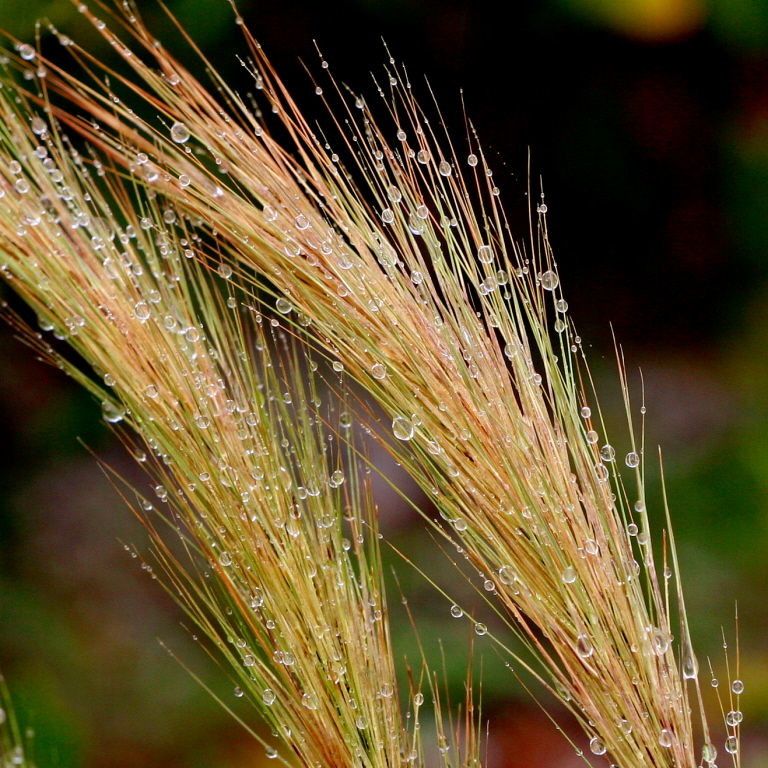
Bringing Back the Wild: Propagating the “Wiregrass” (Aristida spiciformis)
The “Wiregrass” (Aristida spiciformis), a resilient and beautiful native grass, plays a crucial role in the ecosystems of the southeastern United States. But sadly, its populations are shrinking due to habitat loss and degradation. Fortunately, there’s a way to turn the tide: propagation!
This blog post will guide you through the process of propagating Wiregrass, empowering you to contribute to its conservation and revitalize your landscape with this remarkable native plant.
Why Propagate Wiregrass?
Beyond its aesthetic appeal, the Wiregrass offers numerous environmental benefits:
- Soil Stabilization: Its deep root system helps prevent erosion, especially on slopes and in areas prone to runoff.
- Wildlife Habitat: It provides essential nesting materials and cover for a diverse array of animals, including birds, small mammals, and insects.
- Fire Resilience: The Wiregrass is adapted to fire, and its presence actually helps promote healthy fire regimes in natural ecosystems.
How to Propagate Wiregrass:
There are two primary methods for propagating Wiregrass:
- Seed Collection and Sowing:
- Collection: Harvest seeds in late summer or early fall when the seed heads turn brown and begin to shatter. Look for seed heads with a reddish-brown tint, indicating maturity.
- Cleaning: Remove any debris or chaff from the seeds. You can do this by rubbing them between your hands or using a fine-mesh sieve.
- Storage: Store seeds in a cool, dry place until ready for planting.
- Sowing: Plant seeds in the spring or fall, after the last frost. For direct sowing, spread the seeds evenly over the desired area and lightly rake them into the soil.
- Germination: Wiregrass seeds can be slow to germinate, often taking 3-4 weeks or longer. Patience is key!
- Division:
- When to Divide: As Wiregrass matures, it can form dense clumps. Divide larger clumps in the early spring or fall.
- Preparation: Use a sharp shovel or spade to carefully separate the clumps. Ensure each division has a healthy root system and several shoots.
- Planting: Replant the divisions in a similar location and soil type as the original plant. Water thoroughly and maintain soil moisture until the divisions establish themselves.
Tips for Success:
- Soil: Wiregrass thrives in well-drained, sandy soils. Avoid heavy, clay soils.
- Sunlight: Provide full sun exposure.
- Water: Water regularly during the first growing season, especially during dry periods. Once established, Wiregrass is drought-tolerant.
- Fertilizer: Wiregrass is a low-maintenance plant. It generally doesn’t require additional fertilizer. However, a light application of compost in the early spring can be beneficial.
Beyond Your Backyard:
By propagating Wiregrass, you’re not just beautifying your yard; you’re contributing to the restoration of natural landscapes.
Consider donating seedlings or divisions to local conservation groups or land management agencies. Share your knowledge and encourage others to join the effort!
In Conclusion:
Growing Wiregrass from seed or division is an effective way to restore this vital native plant to our ecosystems. By participating in propagation, you can play a crucial role in conserving our natural heritage. Let’s all commit to bringing back the wild, one Wiregrass at a time.