
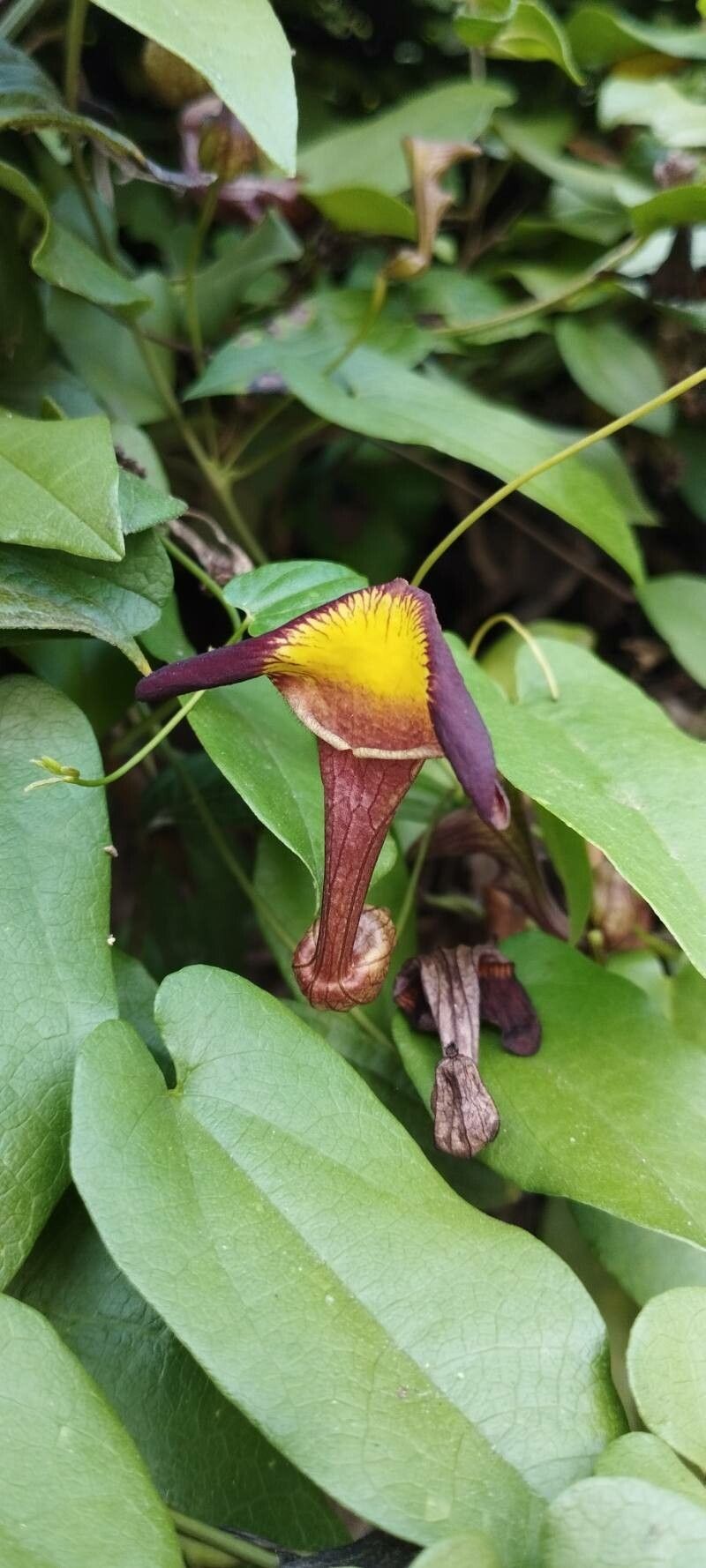
Taming the Pelican Flower: Propagating Aristolochia birostris
The Aristolochia birostris, more affectionately known as the Pelican Flower, is not for the faint of heart. This intriguing plant, with its bizarre, pouch-like blooms resembling a pelican’s beak, is a conversation starter to say the least. But while its captivating appearance easily steals the show, successfully cultivating new Pelican Flowers requires a little botanical know-how.
Embracing the Challenge: Two Primary Propagation Techniques
While the Pelican Flower may seem exotic, don’t be intimidated by its unique appearance. Two primary methods exist for propagation:
- Seed Starting:
- Source Your Seeds: Patience is key, as Pelican Flowers don’t readily produce seeds. You can try hand-pollinating the flowers, but purchasing from a reputable supplier is generally more reliable.
- Prepare for Germination: Pelican Flower seeds benefit from a period of stratification, mimicking natural winter conditions. Place the seeds in a damp paper towel inside a sealed plastic bag and refrigerate for 4-6 weeks.
- Sowing the Seeds: After stratification, sow the seeds in a well-draining seed starting mix. Keep the soil consistently moist but not waterlogged. Germination can be erratic, taking anywhere from a few weeks to several months.
- Patience is Paramount: Seed-grown Pelican Flowers can take several years to mature and produce those iconic blooms.
- Stem Cuttings:
- Timing is Key: The best time to take cuttings is during the active growing season in spring or early summer.
- Select Healthy Stems: Choose stems that are firm, non-flowering, and show vigorous growth. Each cutting should be at least 4-6 inches long.
- Prepare the Cuttings: Remove leaves from the lower half of the cutting. Dip the cut end in rooting hormone to encourage root development.
- Plant and Protect: Plant the cuttings in a well-draining potting mix and create a humid environment by covering the pot with a plastic bag or using a propagation dome.
- Monitor and Maintain: Keep the soil consistently moist and provide bright, indirect light. Roots should develop in 4-8 weeks.
Nurturing Your Pelican Flower Progeny:
Whether you choose to start from seed or cuttings, young Pelican Flowers require attentive care:
- Well-Draining Soil: Use a soil mix that drains well to prevent root rot.
- Bright, Indirect Light: These plants thrive in bright light but avoid harsh, direct sunlight.
- Consistent Moisture: Water deeply when the soil is slightly dry to the touch. Proper drainage is crucial to prevent waterlogging.
- Support for Climbing: Provide a trellis or other support structure as your Pelican Flower grows. It’s a climber by nature!
A Rewarding Challenge:
Propagating Aristolochia birostris, the enigmatic Pelican Flower, is a rewarding experience for plant enthusiasts seeking a challenge. While it requires patience and dedication, the sight of those extraordinary blooms gracing your own garden makes the journey well worth the effort.