Propagating the Elegant Pipevine: A Guide to Aristolochia cauliflora
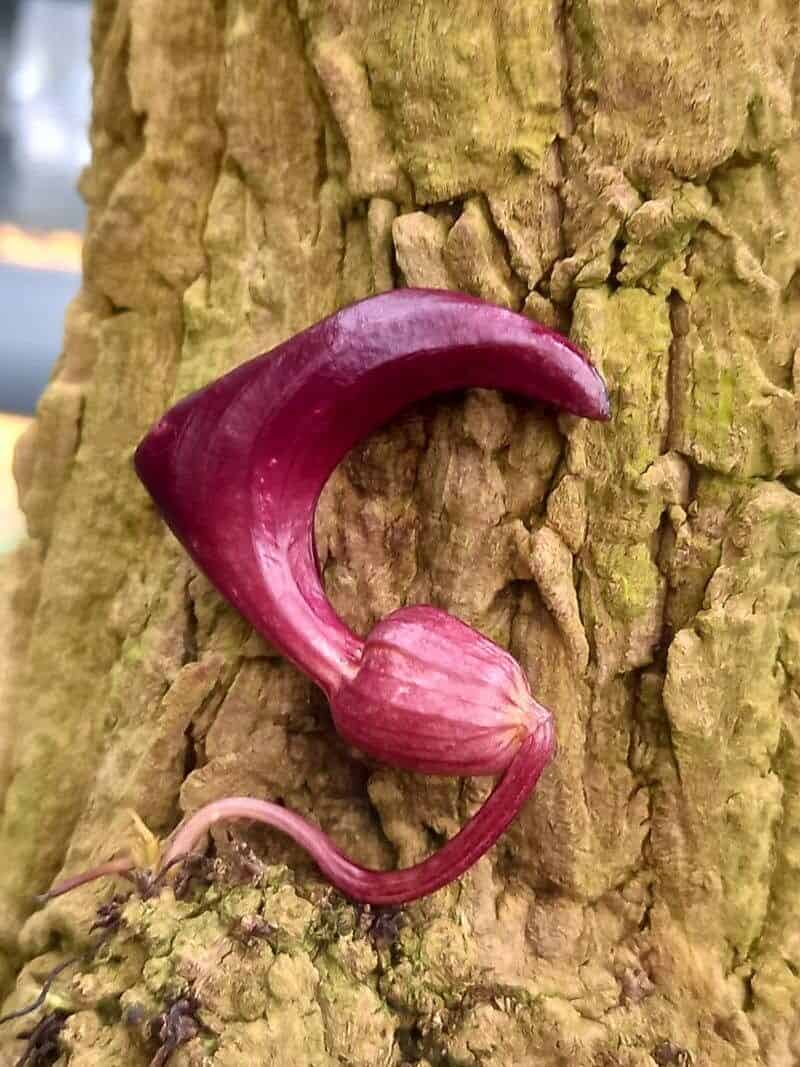
Aristolochia cauliflora, commonly known as the "Calico Flower" or "Brazilian Dutchman’s Pipe," is a captivating vine prized for its peculiar, pouch-shaped flowers that resemble a small, intricately patterned pipe. Its unusual blooms, emerging directly from the woody stems, along with its relatively compact size, make it a highly sought-after addition to many gardeners’ collections. However, propagating this unique species presents specific challenges, making successful cultivation a rewarding accomplishment. This article explores various propagation methods for Aristolochia cauliflora, weighing their feasibility and offering practical advice.
Seed Germination:
Currently, there are no known reliable methods for seed germination propagation of Aristolochia cauliflora. While seeds may be produced, their germination rate is extremely low, even under ideal conditions. Further research into specific germination requirements, such as scarification techniques or precise temperature and light exposure, may be needed to unlock successful seed propagation.
Cuttings:
Cuttings offer a more feasible propagation method for Aristolochia cauliflora.
- Challenges: Successful rooting requires careful attention to detail. The cuttings are prone to rot if not handled correctly, and rooting can be slow.
- Practical Tips: Semi-hardwood cuttings, taken in late summer or early autumn from mature but not fully woody stems, show the best results. Dip the cut ends in rooting hormone before planting in a well-draining, sterile propagation mix (e.g., perlite and vermiculite). Maintain high humidity (using a humidity dome or plastic bag) and consistently moist (but not waterlogged) conditions. Bottom heat can accelerate rooting.
- Rewards: Cuttings offer a relatively fast way to increase the number of plants, preserving the exact genetic characteristics of the parent plant.
Division:
Division is a viable method, especially for established plants.
- Challenges: This method requires a mature and well-established plant. Care must be taken to avoid damaging the roots during division. Newly divided plants may be slow to recover.
- Practical Tips: Divide the plant during its dormant period (winter or early spring). Ensure each division has a sufficient portion of the root system and healthy shoots. Plant the divisions in well-drained soil, providing adequate moisture until they re-establish themselves.
- Rewards: Division offers a relatively straightforward way to propagate a known, healthy plant.
Tissue Culture:
Tissue culture represents a potentially valuable but complex propagation method for Aristolochia cauliflora.
- Challenges: Tissue culture requires specialized equipment, sterile conditions, and expertise in plant tissue culture techniques. It’s a technically demanding process with a significant learning curve and potential for contamination issues.
- Practical Tips: This method requires a controlled environment with specific nutrient media and growth regulators. Sterilization is paramount to prevent fungal or bacterial infection. Protocols specific to Aristolochia cauliflora need to be developed and refined.
- Rewards: Tissue culture offers the potential for mass propagation, producing disease-free plants and preserving genetic diversity. However this is only practically feasible in a laboratory setting.
Conclusion:
Propagating Aristolochia cauliflora presents unique challenges but offers exceptional rewards. While seed propagation remains elusive, cuttings and division offer viable avenues for the home gardener. Tissue culture represents a promising avenue for large-scale production but requires significant investment and expertise. The patience and attention to detail necessary for success will make the eventual flourishing of this unusual and beautiful vine all the more satisfying. Remember, careful observation, consistent care, and a little perseverance are key to success in cultivating this unique and captivating plant. Don’t be discouraged by early setbacks – the beauty of a blooming Aristolochia cauliflora is well worth the effort!