
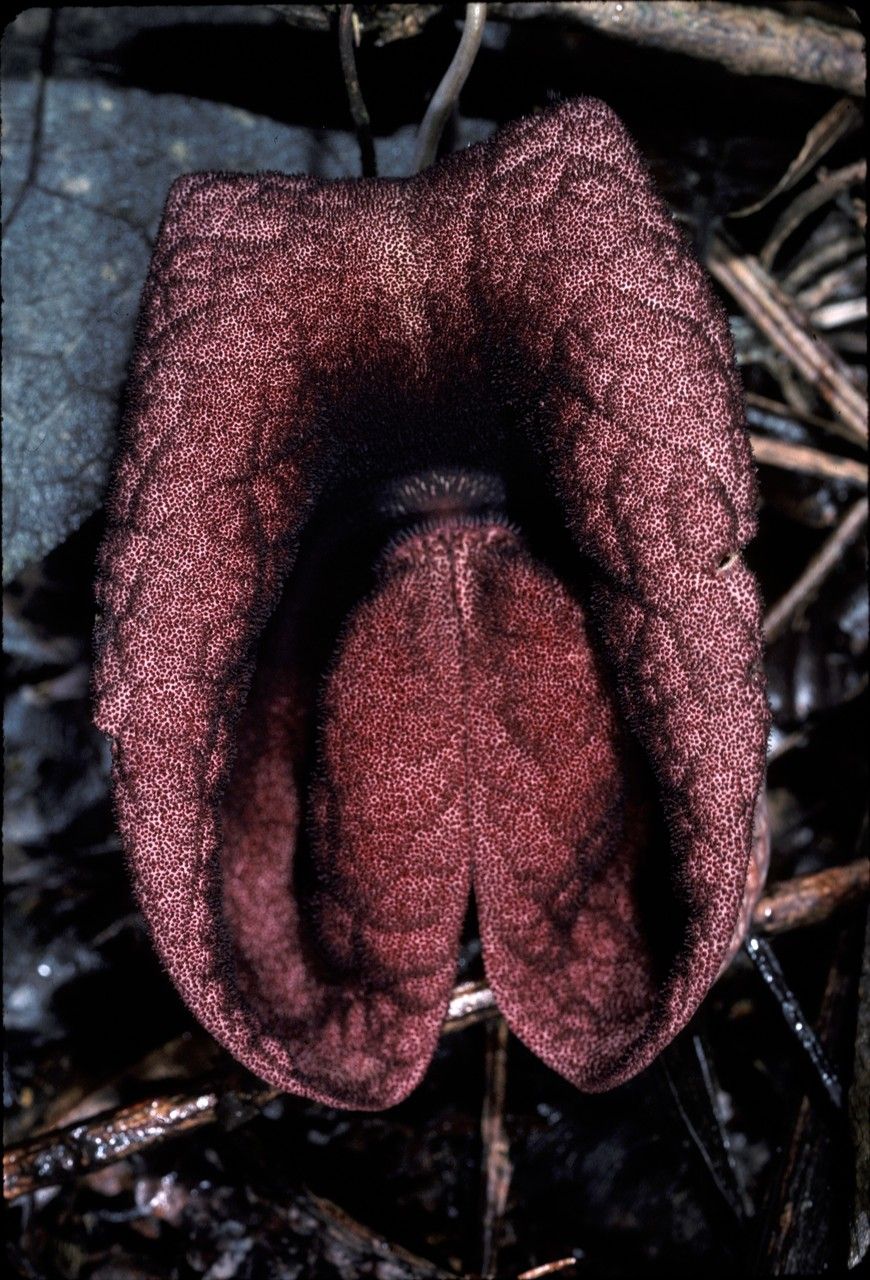
Propagating the Heart-Shaped Dutchman’s Pipe: Aristolochia Cordiflora
Introduction:
Aristolochia cordiflora, also known as the Heart-Shaped Dutchman’s Pipe, is a captivating vine prized for its heart-shaped leaves and unique, somewhat bizarre, flowers. Its pendulous blooms, exhibiting a remarkable reddish-purple and mottled coloration, attract pollinators with their intriguing structure. This relative ease of cultivation, combined with its striking appearance, has made A. cordiflora increasingly popular amongst gardeners. However, propagation can present certain challenges, demanding patience and a careful understanding of the plant’s specific needs.
Seed Germination:
Currently, there are no known reliable methods for seed germination propagation of Aristolochia cordiflora. While the plant does produce seeds, their germination rates are notoriously low, and consistent success has not been widely documented. Further research into optimal germination conditions, potentially including specific stratification techniques, is needed.
Cuttings:
Cuttings offer a more reliable method of propagating Aristolochia cordiflora compared to seed germination.
Challenges: Rooting semi-hardwood cuttings can be slow and inconsistent. The success rate depends on factors including the timing (late summer/early autumn is generally recommended), the use of rooting hormone, and maintaining high humidity levels.
Practical Tips: Take 4-6 inch cuttings from healthy, non-flowering stems. Remove lower leaves, dip the cut ends in rooting hormone, and plant in a well-draining propagating mix (e.g., perlite & peat moss). Cover the cuttings with a clear plastic dome or bag to maintain humidity. Place in bright, indirect light and keep the mix consistently moist (but not soggy). Rooting typically takes several weeks to months.
Rewards: Cuttings propagation offers a quicker route to new plants compared to other methods. They are genetically identical to the parent plant, ensuring desirable traits are maintained.
Division:
Division of established Aristolochia cordiflora plants is possible but should be approached cautiously.
Challenges: The vine’s root system can be somewhat delicate, making division stressful. Careless division can easily damage the roots, resulting in plant failure. The plant may also resent being disturbed.
Practical Tips: This method is best undertaken in spring or early autumn when the plant is actively growing or entering dormancy, respectively. The plant should be carefully dug up, and the root ball gently divided into several sections, each possessing sufficient roots and shoots. Replant immediately ensuring that the divided portions receive adequate watering.
Rewards: Division provides a simple way to increase the number of plants, especially for large, mature specimens.
Tissue Culture:
Tissue culture offers the potential for large-scale propagation of Aristolochia cordiflora.
Challenges: Tissue culture requires specialized equipment, sterile conditions, and a detailed understanding of plant tissue culture techniques. It’s not a method readily accessible to most home gardeners.
Practical Tips: This method requires expertise in plant tissue culture and is best left to specialized laboratories or nurseries.
Rewards: Tissue culture allows for rapid multiplication of plants, the production of disease-free stock, and genetic preservation.
Conclusion:
Propagating Aristolochia cordiflora presents various challenges. While seed germination remains unreliable, cuttings offer a more feasible approach for the home gardener, albeit requiring patience. Division is viable for established plants but demands careful handling. Tissue culture presents a powerful option for large-scale propagation but requires significant expertise and resources. The rewards, however, are commensurate with the effort involved; successfully propagating this unique and striking vine offers a profound sense of accomplishment. The journey may be demanding, but the beauty and rarity of Aristolochia cordiflora make the effort worthwhile for the dedicated plant enthusiast. Remember to research your local climate and provide suitable environmental conditions for the best chance of success.