
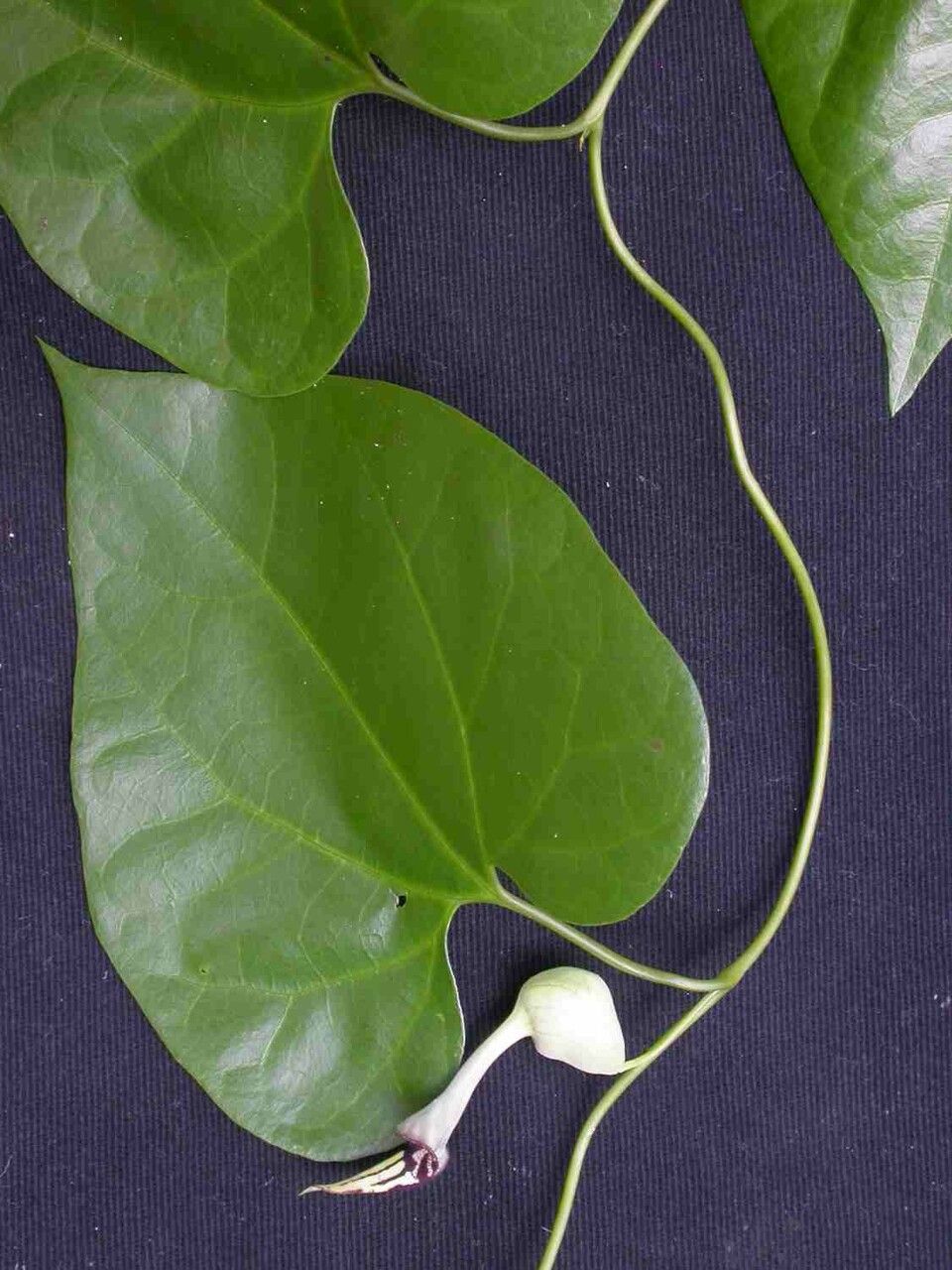
Taming the Dutchman’s Pipe: Propagating Aristolochia cordigera
The Aristolochia cordigera, also known as the Dutchman’s Pipe or Pelican Flower, is a captivating climber that boasts bizarre, yet beautiful, blooms. This tropical vine, with its heart-shaped leaves and intriguing flower structure, can be a stunning addition to your garden. But how do you go about propagating this unique plant? Let’s unravel the mysteries of multiplying your Aristolochia cordigera.
Two Paths to Propagation
For the Aristolochia cordigera, propagation can be achieved through two primary methods: seeds and cuttings.
1. The Seed Route:
Propagating from seed offers a fulfilling, albeit slower, journey in cultivating your own Dutchman’s Pipe. Here’s how:
- Sourcing Seeds: Your best bet is sourcing fresh seeds from a mature plant. Look for seed pods developing after the flowering period. These pods will eventually dry and split open, revealing the seeds within.
- Sowing the Seeds: Sow the seeds in a well-draining seed starting mix, lightly pressing them into the surface. Keep the soil consistently moist but not waterlogged.
- Providing the Right Environment: Aristolochia cordigera seeds prefer warmth to germinate. A heat mat can be helpful to maintain an optimal temperature range of 70-75°F (21-24°C). Be patient, as germination can take anywhere from a few weeks to several months.
- Transplanting: Once your seedlings develop a couple of true leaves, they can be carefully transplanted into individual pots. Choose a well-draining potting mix and provide a support structure for your young vines to climb.
2. The Cutting Edge:
Propagating from cuttings offers a quicker route to a mature plant and is generally the preferred method for Aristolochia cordigera. Follow these steps:
- Taking the Cutting: In the spring or early summer, select a healthy, non-flowering stem. Using a clean, sharp knife or pruning shears, take a cutting about 4-6 inches long, ensuring it has at least two nodes (the points where leaves emerge).
- Preparing the Cutting: Remove the leaves from the bottom node of the cutting. This encourages root development. Optionally, you can dip the cut end in rooting hormone powder to further stimulate root growth.
- Planting the Cutting: Planting the cutting in a well-draining potting mix, burying the bottom node. Maintain consistent moisture and provide indirect sunlight.
- Rooting Success: With proper care, your cutting should develop roots within 4-6 weeks. You can gently tug on the cutting to check for resistance, a sign of successful rooting.
Nurturing Your New Plants
Regardless of your chosen propagation method, young Aristolochia cordigera plants thrive in similar conditions:
- Light: Provide bright, indirect light. While they appreciate some sun, harsh midday rays can scorch their leaves.
- Water: Keep the soil consistently moist but not soggy. Allow the top inch of soil to dry out between waterings.
- Humidity: As tropical plants, they appreciate humidity. Misting regularly or placing the pot on a pebble tray filled with water can help increase humidity levels.
- Support: Aristolochia cordigera are climbers and need a sturdy support structure to thrive. Trellises, arbors, or even sturdy stakes work well.
A Rewarding Challenge
Propagating your Aristolochia cordigera, whether from seed or cutting, is a rewarding experience. It allows you to multiply these fascinating plants and share their captivating beauty with fellow plant enthusiasts. With patience and care, you can enjoy the unique charm of the Dutchman’s Pipe for years to come.