
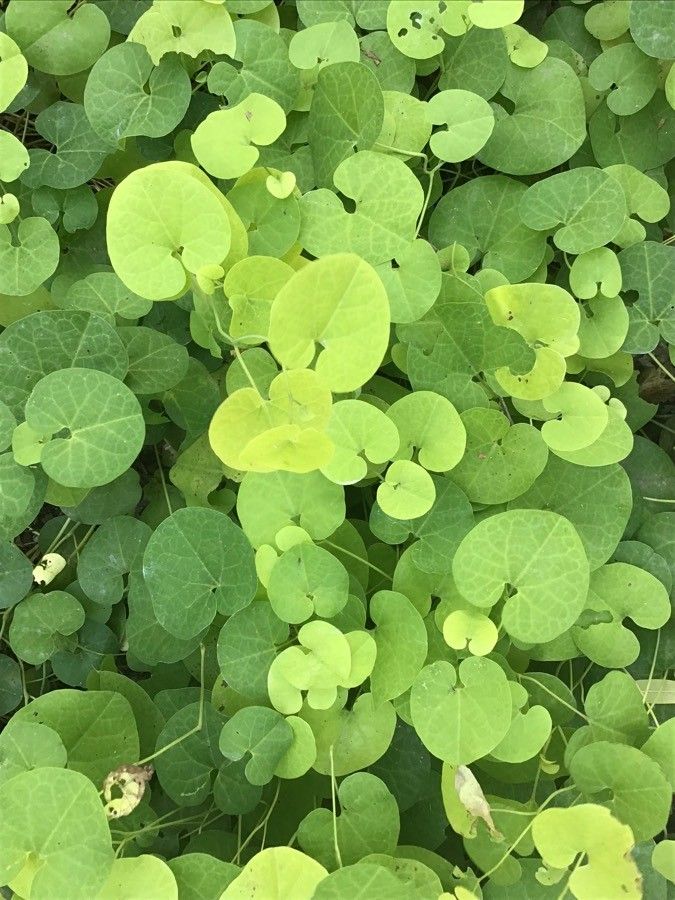
Unleash the Magic: Propagating the Fringed Dutchman’s Pipe (Aristolochia fimbriata)
The Fringed Dutchman’s Pipe (Aristolochia fimbriata) is a striking vine with exotic, intricately shaped flowers that resemble a pipe with a fringed opening. But beyond its captivating beauty lies a plant that’s quite easy to propagate, making it accessible for any home gardener looking to add a touch of the tropics.
Methods of Propagation:
There are two main methods for propagating this unique vine:
- Seed Propagation: While achievable, seed propagation can be a bit of a gamble. Aristolochia fimbriata seeds are notoriously slow to germinate, often taking several months to sprout. However, the allure of starting your journey with tiny seeds can be quite rewarding.
Steps for Seed Propagation:
- Harvest: Gather ripe seed pods from mature vines, typically brown and slightly wrinkled.
- Preparation: Carefully open the pods and extract the seeds. Wash them gently to remove any debris.
- Sowing: Sow seeds in a well-draining seed starting mix, covering them lightly with soil.
- Patience: Keep the seeds consistently moist and warm, providing bright indirect light. Germination can take anywhere from a few weeks to several months. Be patient!
- Cuttings: A much faster and more reliable method, taking cuttings from established plants is a surefire way to grow new Fringed Dutchman’s Pipes.
Steps for Cuttings:
- Timing: The best time to take cuttings is during the spring or early summer when the plant is actively growing.
- Selection: Choose healthy, non-flowering stems with several leaf nodes. Cut them about 6 inches long, making a clean cut just below a node.
- Preparation: Remove the lower leaves from the cutting, leaving a couple of leaves at the top.
- Rooting Medium: Dip the cut end of the stem in rooting hormone and plant it in a pot filled with a rooting mix, such as peat moss, perlite, or vermiculite.
- Environment: Keep the cutting moist and warm, providing bright indirect light. You can use a clear plastic dome or a plastic bag to create a humid environment.
- Transplanting: Once roots develop, typically within a few weeks, you can transplant the cutting into a larger pot, a container, or directly into the garden.
Tips for Success:
- Humidity: Maintaining consistent humidity is crucial for successful propagation.
- Light: Bright, indirect light is best for both seed propagation and cuttings. Avoid direct sunlight, especially during the hottest months.
- Water: Keep the growing medium consistently moist but not soggy. Overwatering can lead to root rot.
- Ventilation: Ensure good air circulation to prevent fungal diseases.
- Patience: Propagation takes time, so remain patient and consistent.
Beyond the Basics:
Once your Fringed Dutchman’s Pipe has established, consider providing it with a sturdy trellis or other support to aid its climbing nature. This will allow the plant to reach its full potential and display its mesmerizing flowers.
With proper care and the right techniques, propagating the Fringed Dutchman’s Pipe is an achievable goal for even the novice gardener. Enjoy the satisfaction of bringing this unique and beautiful plant to life!