
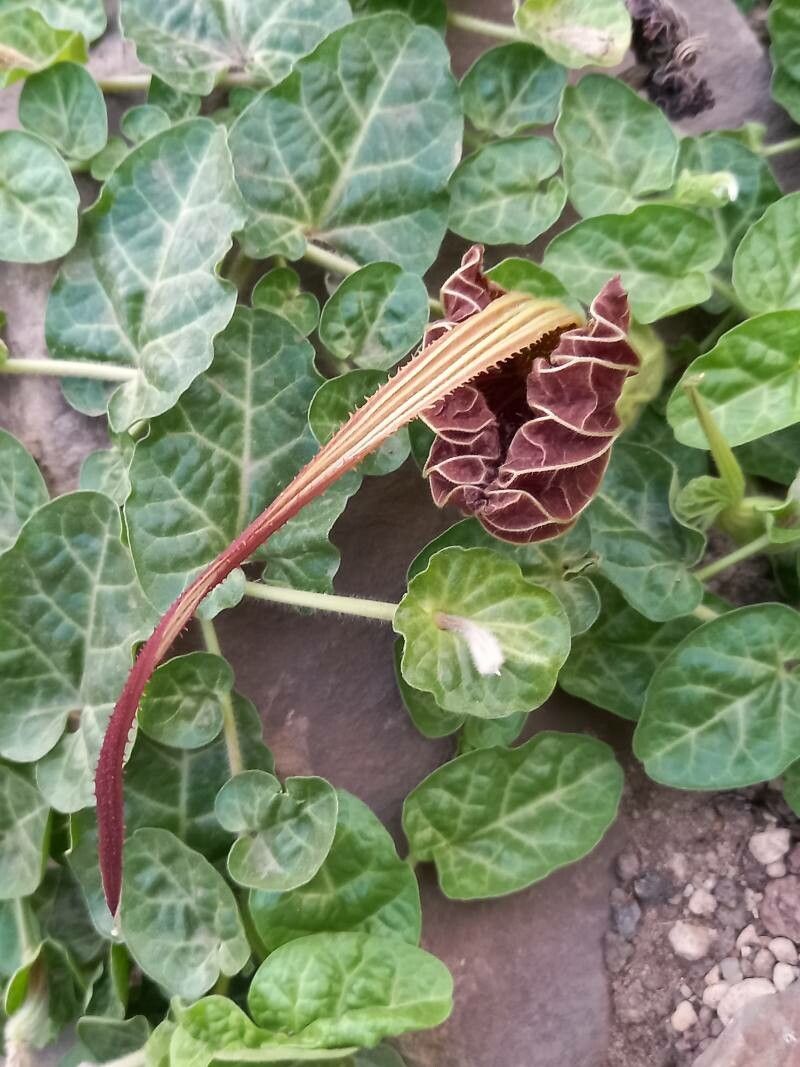
Unlocking the Secrets of the Dutchman’s Pipe: Propagating Aristolochia lindneri
The Aristolochia lindneri, more commonly known as the Dutchman’s Pipe vine, is a captivating plant renowned for its unique and intriguing flowers. These flowers, shaped like pipes or trumpets, boast an alluring dark purple hue adorned with intricate veins. However, what makes this plant truly special is the ease with which it can be propagated, opening up the opportunity for gardeners of all levels to cultivate these fascinating beauties.
Although the Dutchman’s Pipe can be grown from seeds, propagation is most successful through cuttings. This method not only allows for quicker growth but also offers a reliable way to maintain the desired characteristics of your plant. Let’s delve into the world of propagating Aristolochia lindneri and uncover the steps to success:
1. Timing is Key:
The best time to take cuttings is in the early spring, just as the plant is beginning to wake up from its dormant state. The new growth at this time is soft and pliable, making it ideal for rooting. Alternatively, you can also take cuttings in the late summer after the plant has finished flowering.
2. Cut, Cut, Cut:
For successful propagation, select healthy stems with at least two nodes – the points on the stem where leaves emerge. Cut just below a node, leaving a section of stem about 4 to 6 inches long. If you’re taking a cutting from the late summer growth, make sure to remove the top 2 sets of leaves, leaving only two sets of leaves.
3. The Power of Hormones:
To boost rooting success, dip the cut end of your stem into a rooting hormone powder or solution. This will encourage faster root development by stimulating the cells responsible for root growth.
4. Planting Paradise:
Prepare a pot or container filled with a well-draining, slightly acidic potting mix. Place the cuttings into the mix, ensuring that at least one node is buried beneath the soil. Gently firm the soil around the cutting to provide stability.
5. The Humidity Advantage:
To promote healthy growth and root development, cover your cuttings with a clear plastic dome or bag. This will create a humid microclimate, helping to retain moisture and protect the cuttings from drying out.
6. Patience is a Virtue:
Rooted cuttings typically require a couple of weeks to develop a robust root system. During this time, maintain consistent moisture within the pot. Avoid overwatering, as this can lead to root rot.
7. Transitioning to Sunlight:
Once roots have established, gradually acclimatize your new plants to direct sunlight. Start by offering them a few hours of dappled sunlight a day and gradually increase the exposure over a week or two.
8. Rejoice in Your Success:
Once your cuttings have developed a strong root system and have settled into their new environment, you can transplant them into larger pots or directly into the garden. Remember to provide adequate space, rich soil, and regular watering to ensure healthy growth.
Tips for Success:
- Choose cuttings from healthy, disease-free plants.
- Keep your cuttings in a protected place, away from direct sunlight and drafts.
- Monitor the potting mix to ensure it’s consistently moist but not soggy.
- Keep an eye out for pests and diseases and address them promptly.
Propagating Aristolochia lindneri is a rewarding experience that allows you to enjoy the beauty of this unique plant while nurturing your garden skills. By following these simple steps, you can easily create more Dutchman’s Pipe vines to enhance your garden or share with others. With a little care and attention, these fascinating plants will grace your landscape with their captivating beauty for years to come.