
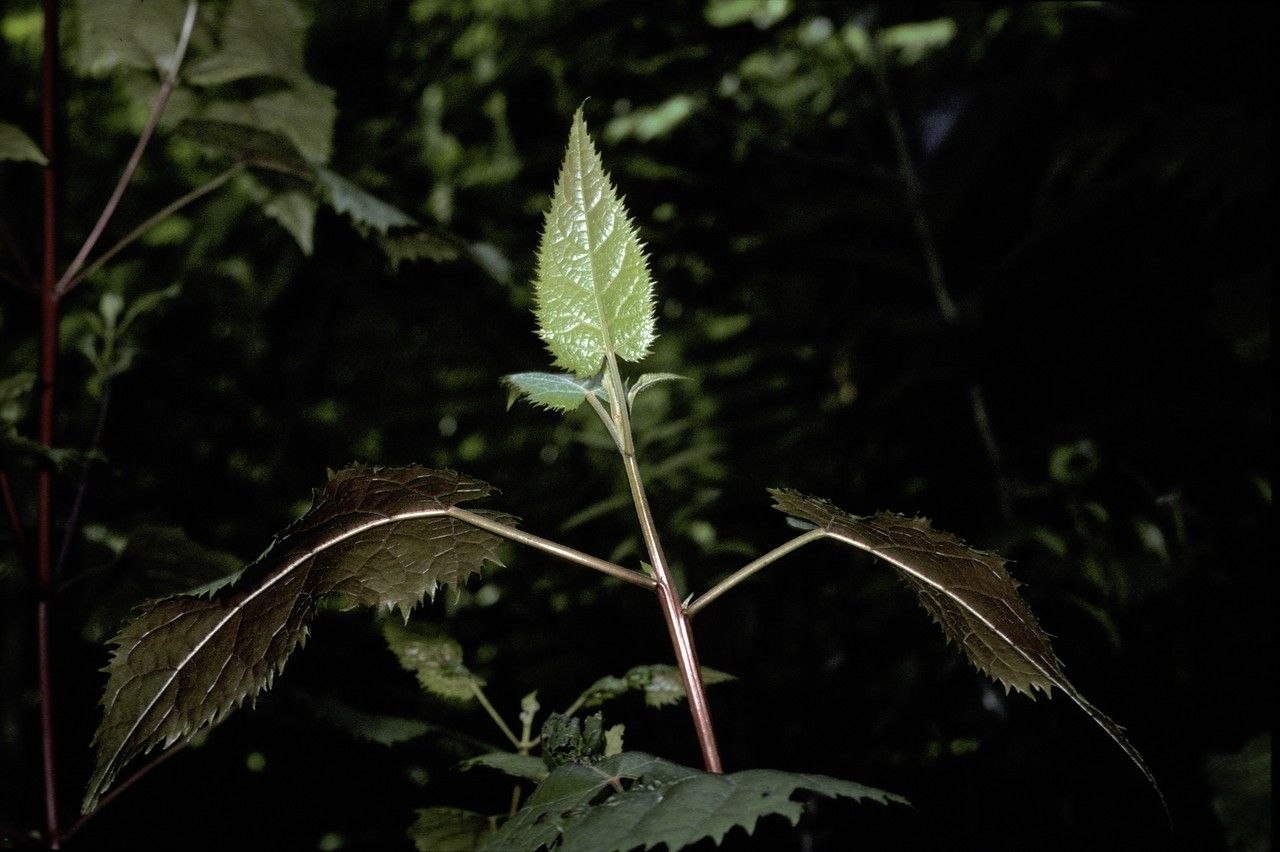
Propagating the Wineberry: A Guide to Cultivating Aristotelia serrata
Introduction:
Aristotelia serrata, commonly known as the wineberry, is a captivating evergreen shrub prized for its attractive foliage, delicate flowers, and edible berries. Native to New Zealand and parts of Australia, its popularity amongst gardeners extends globally due to its adaptability and aesthetic qualities. The wineberry’s relative ease of propagation through certain methods, balanced by challenges in others, makes it a rewarding plant for both experienced and novice propagators. Its self-seeding habit in the wild suggests some success with seed, but other methods offer more reliable outcomes.
Seed Germination:
While Aristotelia serrata produces seeds, and some self-seeding occurs naturally, reliably germinating them presents significant challenges. The seeds often exhibit a period of dormancy, requiring specific conditions for successful germination. While some gardeners have reported limited success with cold stratification (a period of chilling at near freezing temperatures followed by warm moist conditions), the process is inconsistent and germination rates are generally low. Specific stratification requirements (duration, temperature) require further research and may vary with seed source. Therefore, while technically viable, seed propagation is not a reliable method for large-scale or consistent production of Aristotelia serrata.
Cuttings:
Cuttings offer a far more reliable method for propagating Aristotelia serrata. Semi-hardwood cuttings taken in late summer or early autumn are generally recommended. The challenges lie in maintaining a high humidity environment to prevent desiccation and ensuring sufficient rooting hormone application. However, the rewards are significant: higher success rates, faster establishment, and the preservation of desirable traits from parent plants. Specific tips include:
- Cutting type: Use semi-hardwood cuttings (6-8 cm long), taken from non-flowering shoots.
- Hormone: Use a rooting hormone powder before planting.
- Propagation Medium: A well-draining mix of peat moss and perlite is ideal.
- Environment: Maintain high humidity using a propagator or covering.
- Timeframe: Rooting usually takes several weeks to months.
Division:
Division is a viable option, but only for established plants. This method essentially involves carefully separating the root system into smaller portions, each with its own set of stems and roots. Challenges include careful handling to avoid root damage, which can hinder subsequent growth. The rewards are a rapid increase in the number of plants obtained from a single mature specimen, retaining the genetic characteristics of the original plant. The best time for division is in spring or autumn. It is crucial to ensure each division possesses a healthy root system and sufficient stem growth for survival.
Tissue Culture:
Tissue culture offers the potential for large-scale propagation and disease-free plantlets. However, this method requires specialized equipment, sterile conditions, and a high level of technical expertise. While offering the highest success rates and the possibility of producing many plants from a small amount of starting material, the significant investment in equipment and technical skills makes this method generally impractical for home gardeners. Only commercial nurseries or research facilities typically adopt this method.
Conclusion:
Propagating Aristotelia serrata presents a unique mix of challenges and rewards. While seed propagation offers the advantage of genetic diversity, its unreliability makes it unsuitable for most garden purposes. Cuttings represent a more reliable and accessible technique for amateur gardeners, offering good success rates with proper technique. Division provides a faster way to multiply established plants, while tissue culture offers high propagation rates, but demands specialized equipment and skills.
The inherent difficulties within each method enhance the satisfaction greatly when propagation is successful. The sight of a tiny cutting developing roots or a divided section thriving serves as a testament to patience and skill. For aspiring wineberry propagators, starting with cuttings is strongly recommended. With diligence and careful attention to detail, the beauty and unique attributes of this fascinating plant can be enjoyed beyond a single specimen.