
Propagating Armeria arenaria: A Gardener’s Guide to Sea Thrift
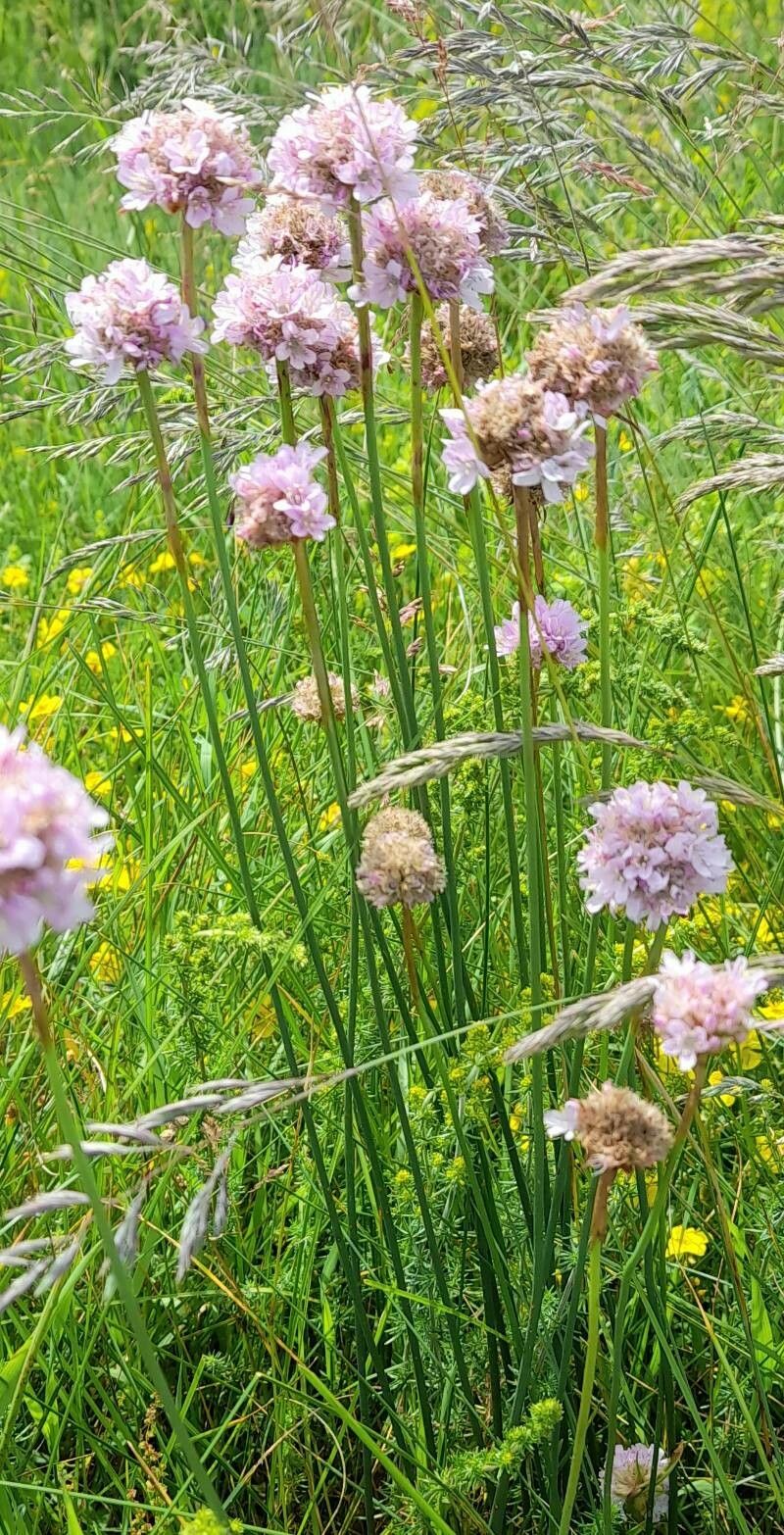
Armeria arenaria, commonly known as Sea Thrift, is a charming and resilient perennial prized for its vibrant, globe-shaped flower heads that bloom profusely throughout the summer. These cheerful blooms, ranging in colour from pink and rose to white and even red, coupled with its tolerance for harsh coastal conditions, have made Sea Thrift a favourite amongst gardeners. Its ability to thrive in well-drained, even infertile soils makes it an excellent choice for rock gardens, borders, and containers. However, while its cultivation is fairly straightforward, propagating Sea Thrift presents a unique set of challenges.
Seed Germination:
Seed germination in Armeria arenaria is possible, but it’s not consistently reliable. Freshly collected seeds offer the best chances of success. One of the primary challenges is that Sea Thrift seeds often exhibit dormancy. To overcome this, stratification is often recommended. This involves subjecting the seeds to a period of cold, moist conditions, mimicking winter. Place the seeds in a moist medium (e.g., vermiculite or peat moss) and refrigerate them for 6-8 weeks at temperatures near 4°C (39°F). After stratification, sow the seeds thinly onto a well-drained seed-starting mix, barely covering them with soil. Maintain consistent moisture but avoid waterlogging. Germination can be slow and uneven, taking several weeks to months. The reward for successful seed germination is the potential for generating a large number of plants with diverse genetic characteristics.
Cuttings:
Propagating Sea Thrift from cuttings is a more reliable method than seed germination. Softwood cuttings, taken in spring or early summer from the new growth, are most successful. Select healthy, non-flowering stems, removing the lower leaves to prevent rot. Dip the cut ends in a rooting hormone powder to encourage root development. Plant the cuttings in a well-draining propagating mix, keeping them consistently moist and shaded. High humidity can greatly improve success rates. Rooting usually takes several weeks, and the cuttings can be potted up once roots are established. While less genetically diverse than seed propagation, cuttings guarantee the replication of desirable traits from the parent plant.
Division:
Division is the easiest and most successful method of propagating Armeria arenaria. This can be done in spring or autumn. Carefully lift established clumps and divide them into smaller sections, each with healthy roots and several growing points. Replant the divisions immediately, ensuring good soil contact around the roots. Division allows for quick propagation of genetically identical plants and is less labour intensive than seed or cuttings.
Tissue Culture:
Currently, there are no widely documented or readily available protocols for the successful tissue culture propagation of Armeria arenaria. While theoretically possible, the establishment and maintenance of sterile cultures for this species requires specialized equipment and expertise, making it impractical for most home gardeners.
Conclusion:
Propagating Armeria arenaria presents varying levels of challenge depending on the chosen method. Seed germination, while offering genetic diversity, is notoriously unpredictable. Cuttings offer a more reliable alternative but require patience and attention to detail. Division is the most straightforward technique for gardeners of all skill levels. Tissue culture, while potentially efficient on a large scale, remains largely inaccessible to the home propagator. The unique satisfaction of cultivating Sea Thrift from any of these methods, however, lies not only in the beauty of the resulting plants, but also in the overcoming of these propagation hurdles. It’s a testament to the gardener’s dedication and a rewarding experience that strengthens their connection with the natural world. For aspiring propagators, starting with division and then experimenting with cuttings is strongly advised – patience and persistence are key to successful Sea Thrift propagation!