
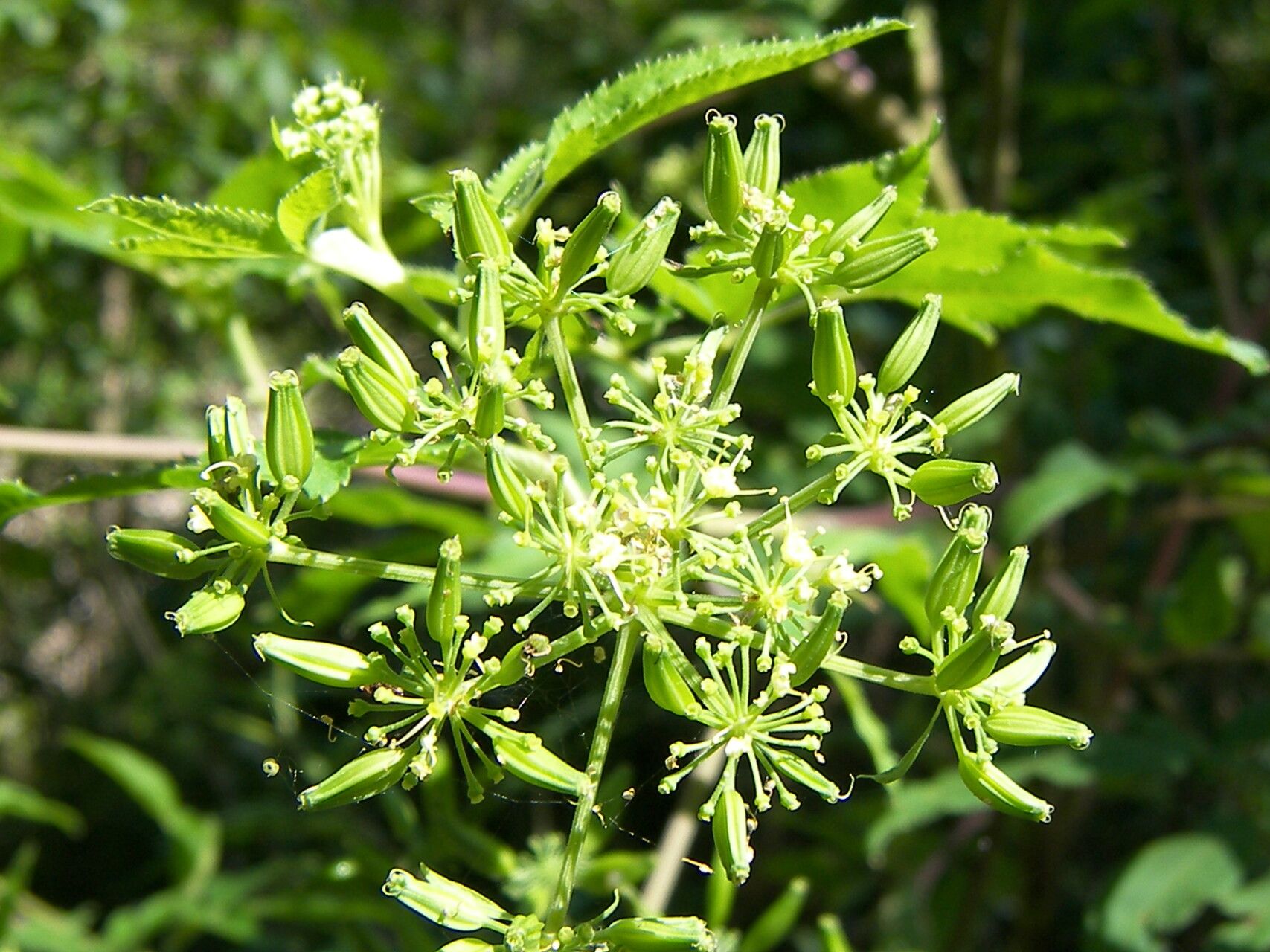
From Roots to Riches: Propagating the Delicious and Versatile Arracacia
Arracacia atropurpurea, also known as “arracacha,” is a starchy root vegetable with a delicate, sweet flavor reminiscent of parsnips and celery. Native to the Andes Mountains of South America, this plant thrives in cool, humid climates and is gaining popularity worldwide for its culinary versatility and nutritional benefits. But beyond its deliciousness, arracacha holds another allure: its ease of propagation.
A Gentle Introduction to Arracacha Propagation
Arracacha is a highly adaptable plant that can be propagated in several ways, each offering its own set of pros and cons. Here’s a breakdown of the most common methods:
1. Seed Propagation:
- Pros: The most straightforward method, allowing for large-scale cultivation and introducing new varieties.
- Cons: Seeds might be difficult to obtain, and germination rates can be inconsistent.
- Process: Sow seeds in a seed tray filled with well-draining soil, ensuring proper moisture and warmth. Transplant seedlings into individual pots when they develop several true leaves.
2. Division of Crowns:
- Pros: Fast and reliable, allowing for quick growth and preserving existing varieties.
- Cons: Requires an established arracacha plant with multiple crowns.
- Process: Carefully separate the crowns from the main plant, ensuring each crown has roots and leaves. Plant them in individual pots or directly into the garden.
3. Root Cuttings:
- Pros: A cost-effective method ideal for propagating existing plants.
- Cons: Requires a mature plant with large roots and potentially a longer establishment time.
- Process: Cut sections from healthy roots, ensuring each cutting has at least one bud. Plant them horizontally in a soil mix, leaving the top bud exposed.
4. Tissue Culture:
- Pros: Used to produce disease-free plants and large quantities of arracacha.
- Cons: Requires specialized equipment and technical expertise.
- Process: Involves culturing plant cells in a controlled environment to produce new plants.
Choosing the Right Method for You:
The ideal propagation method for you depends on your individual needs and resources. If you’re starting with seeds, choosing division of crowns is the fastest option. Root cuttings are affordable for established growers, while tissue culture offers a sterile and efficient solution for commercial production.
Tips for Success:
- Soil and Location: Arracacha thrives in well-drained, fertile soil with a pH of 6.0-6.5. Choose a shaded location in a cool, humid climate.
- Moisture: Water regularly during the growing season, keeping the soil consistently moist but not waterlogged.
- Fertilization: Feed your arracacha with organic fertilizer to encourage healthy growth.
- Disease and Pest Control: Arracacha is relatively pest-resistant, but watch for common problems like aphids and root rot.
From Backyard to Table:
Propagating arracacha is an rewarding experience that opens the door to enjoying this unique and delicious root vegetable. Embrace the challenge, and your garden will soon be overflowing with this versatile ingredient that can add flavor to soups, stews, salads, and more. The journey from propagation to table is a testament to the power of nature and the joy of growing your own food.