
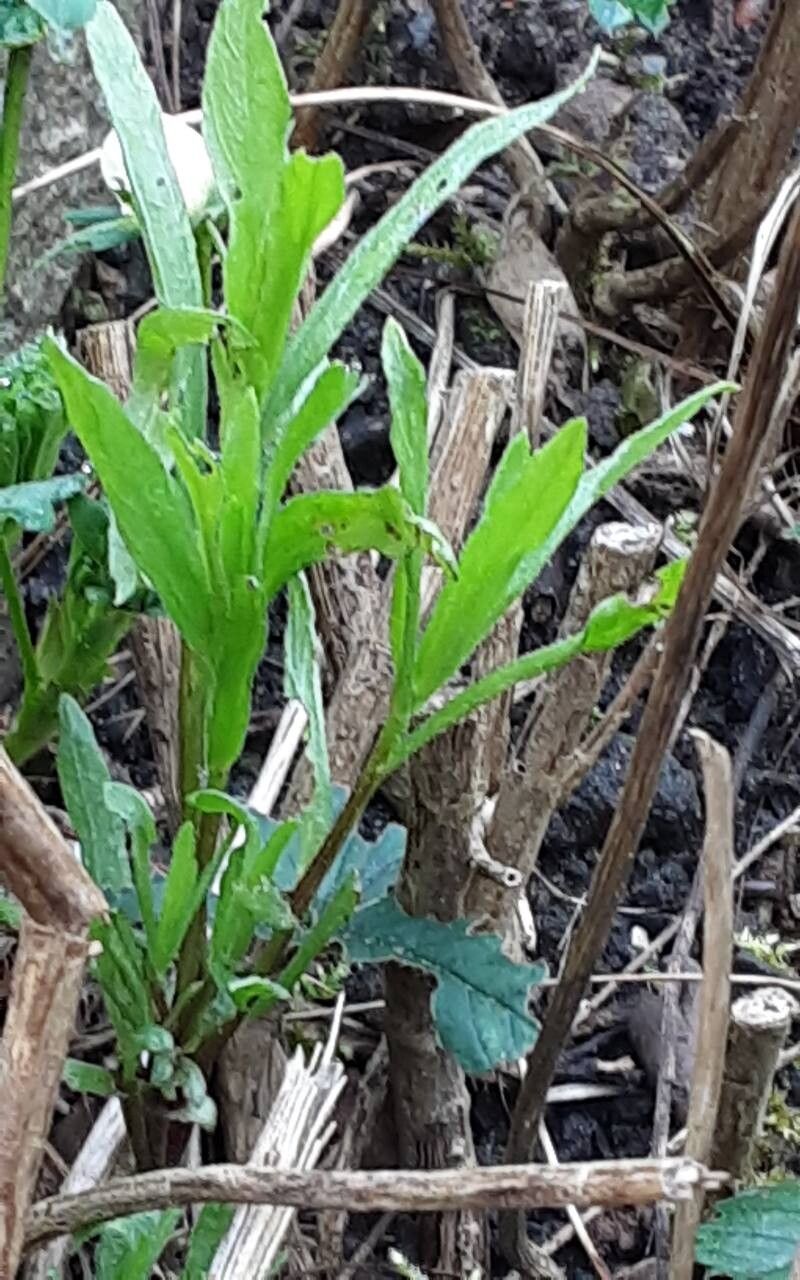
Propagating Artemisia dracunculus: Taming the Tarragon
Artemisia dracunculus, more commonly known as tarragon, is a prized culinary herb appreciated for its distinctive anise-like flavour. This perennial herb, with its slender, lance-shaped leaves and delicate fragrance, holds a special place in the hearts of many gardeners. While relatively easy to maintain once established, propagation can present some unique challenges. Its popularity, coupled with the potential variability in flavour profiles amongst different cultivars, makes successful propagation a rewarding endeavour.
Seed Germination:
Currently, there are no known reliable methods for seed germination propagation of Artemisia dracunculus. Tarragon is notoriously difficult to propagate from seed, as many cultivars are sterile or produce seeds with low germination rates. Furthermore, seedlings often display significant variation from the parent plant, potentially losing the desired flavour characteristics.
Cuttings:
This is the most common and reliable method for propagating tarragon. The challenges lie in achieving successful rooting.
Challenges: Tarragon cuttings can be slow to root, and success hinges on creating optimal humidity and temperature conditions. Using older, woody stems is less successful than using younger, semi-hardwood cuttings.
Practical Tips: Take 4-6 inch cuttings from non-flowering stems in early summer or late spring. Remove lower leaves and dip the cut ends in rooting hormone powder. Plant cuttings in a well-draining propagation mix, ideally under a humidity dome or misting system. Maintain consistently moist (but not soggy) conditions and warmth, possibly with bottom heat. Propagation time can range from several weeks to months.
Rewards: This method preserves the exact genetic characteristics of the parent plant, ensuring you maintain the desired flavour and plant characteristics. It’s also relatively straightforward once you master the technique.
Division:
Division is another viable method, particularly suitable for established plants.
Challenges: Overcrowding can lead to smaller, weaker plants, so division should be performed every few years to maintain vigour. Damaged roots can also hinder the success of division, necessitating careful handling.
Practical Tips: Divide the plant in early spring or autumn when the plant is dormant or just beginning to grow. Carefully lift the entire plant and divide it into sections, each with its own roots and several shoots. Replant the divisions immediately, ensuring they are well-watered and receive adequate sunlight.
Rewards: Division is a quick and efficient way to propagate several plants from a single, healthy specimen, and it reduces the risk of spreading diseases.
Tissue Culture:
While possible, tissue culture propagation of tarragon is typically undertaken by specialist nurseries.
Challenges: Tissue culture requires specialized equipment, a sterile environment, and specific expertise in plant tissue culture techniques. This method is expensive and time-consuming.
Practical Tips: This method is best left to professionals with experience in plant tissue culture. It requires a controlled environment capable of maintaining sterile conditions.
Rewards: Tissue culture allows for mass propagation of genetically uniform plants, which is particularly useful for commercial purposes where consistency is paramount. It’s also a way to reliably propagate sterile cultivars.
Conclusion:
Propagating Artemisia dracunculus presents a unique set of challenges depending on the chosen method. While seed germination is unreliable, cuttings offer a reliable and relatively simple method for the home gardener, although patience is required. Division provides a quick way to expand existing plants, whereas tissue culture is best left to professionals. The satisfaction derived from successfully propagating this flavorful herb, overcoming its propagation quirks, is deeply rewarding. The scent of freshly propagated tarragon plants, thriving through your efforts, is a testimony to perseverance and horticultural skill. So, embrace the challenge; the flavour of your success will be worth the effort.