
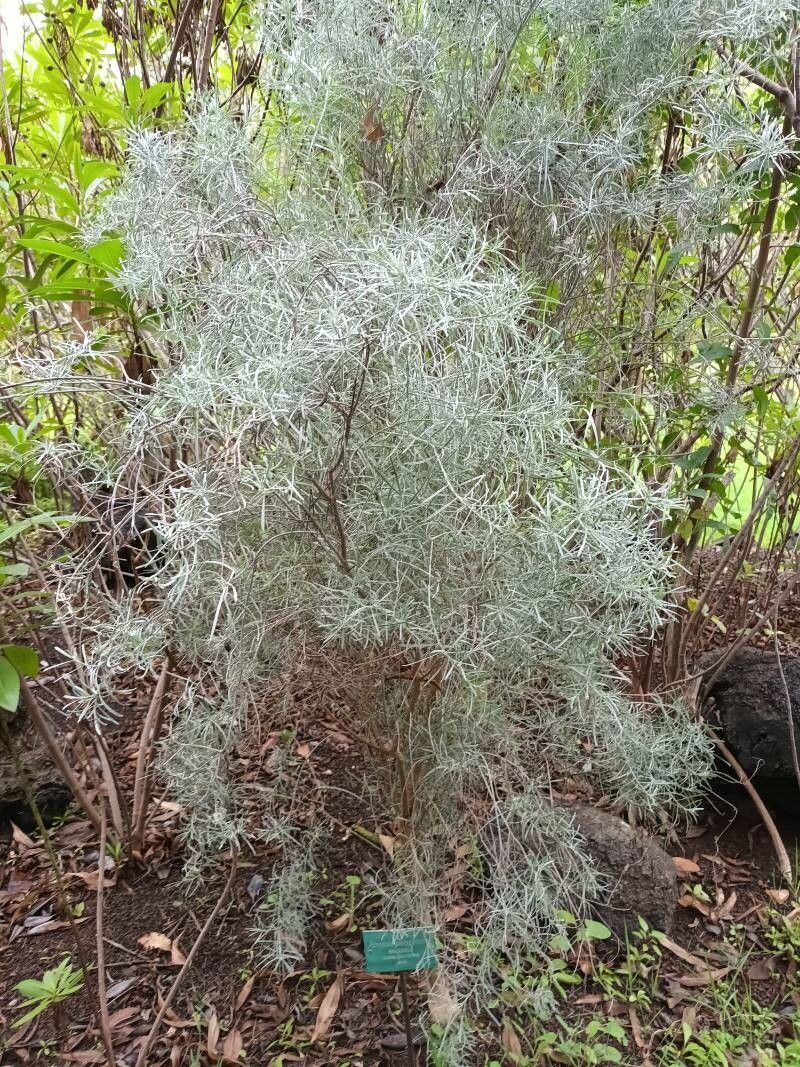
Taming the Sand Sage: A Guide to Propagating Artemisia filifolia
Artemisia filifolia, commonly known as sand sagebrush or threadleaf sagebrush, offers a beautiful, feathery texture and unique silvery-green foliage that captivates in any landscape. Native to the arid regions of North America, this hardy plant thrives in poor soils and requires minimal water, making it a favorite for low-maintenance gardens and xeriscaping. Have you considered adding this resilient beauty to your garden? Let’s explore the fascinating world of Artemisia filifolia propagation!
Seed Starting: A Test of Patience
While possible, propagating Artemisia filifolia from seed can be a bit tricky. The seeds, known for their sporadic germination rates, require specific conditions to sprout successfully.
Here’s how to increase your chances of success:
- Timing is Key: Sow seeds in late fall or early spring directly into well-drained soil outdoors or in seed trays.
- Cold Stratification: Sand sagebrush seeds benefit from cold stratification, mimicking natural winter conditions. If starting indoors, mix seeds with damp sand and store them in the refrigerator for 4-6 weeks before sowing.
- Light Requirements: Lightly press seeds into the soil surface, as they need light for germination.
- Patience is a Virtue: Germination can take anywhere from a few weeks to a couple of months. Maintain consistent moisture and a cool temperature during this period.
Cuttings: The Path to Quicker Success
Taking cuttings offers a more reliable and efficient method for propagating Artemisia filifolia.
Follow these steps for successful propagation:
- Timing: The ideal time to take cuttings is during the plant’s active growing season in spring or early summer.
- Choosing Cuttings: Look for healthy, non-flowering stems that are around 4-6 inches long. Make a clean cut just below a leaf node.
- Preparation: Remove the lower leaves from the cutting, leaving 2-3 pairs at the top.
- Rooting Hormone (Optional): While not essential, dipping the cut end in rooting hormone can encourage faster and more successful root development.
- Planting Medium: A well-draining mix of perlite and peat moss or sand is ideal for promoting proper drainage and aeration.
- Planting and Care: Insert the cutting about 2 inches deep into the planting medium and water thoroughly. Maintain consistent moisture and provide indirect sunlight.
Division: The Reward of Established Plants
If you already have a mature Artemisia filifolia, division is an excellent way to propagate new plants and maintain the health of the parent plant.
Follow these simple steps:
- Timing: Spring is the best time for dividing Artemisia filifolia.
- Lifting the Plant: Carefully dig around the plant, ensuring you lift a good portion of the root system.
- Dividing the Clump: Using a sharp, clean tool, divide the root ball into sections, ensuring each section has a healthy portion of roots and shoots.
- Replanting: Replant the divisions immediately in well-drained soil, spacing them adequately to allow for growth.
A Final Word: Patience is Key
Regardless of your chosen propagation method, patience is essential when it comes to Artemisia filifolia. This resilient plant might take its time to establish, but once it does, it will reward you with its stunning beauty and hardiness for years to come.
Happy propagating!