
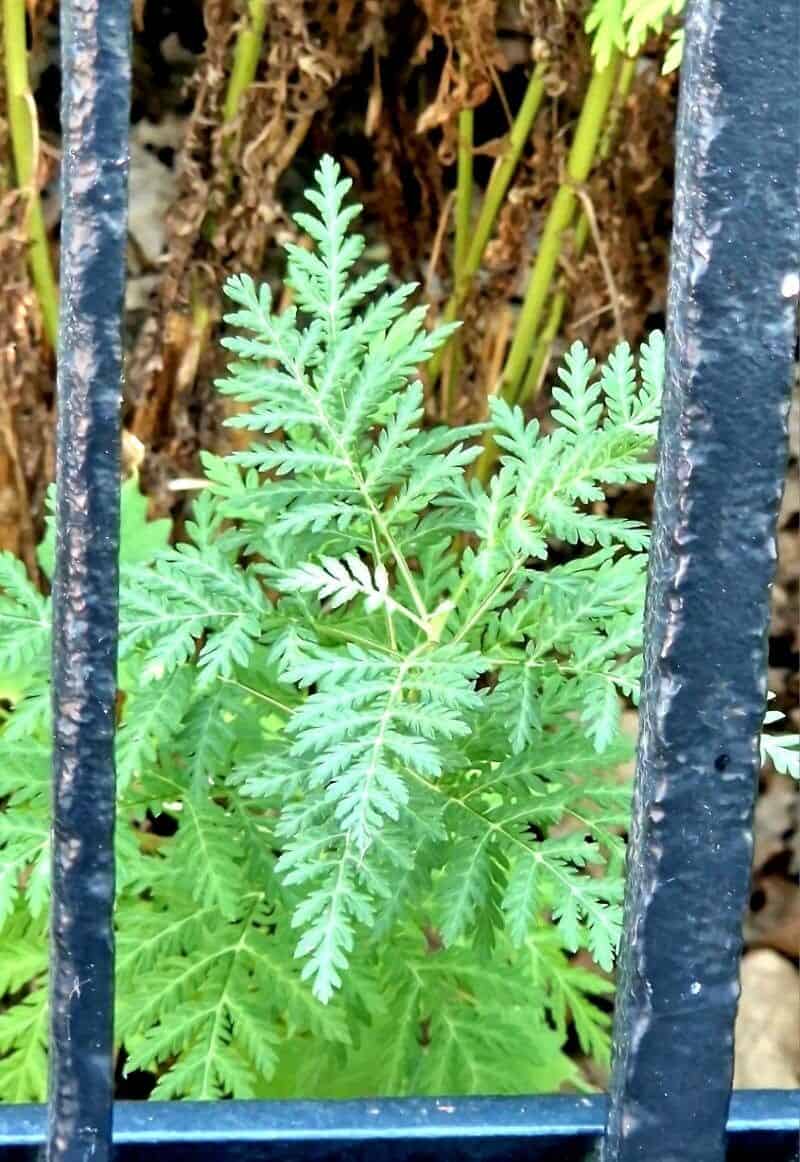
Unleash Your Inner Gardener: Propagating the Versatile Artemisia gmelinii
Artemisia gmelinii, also affectionately known as Gmelin’s wormwood, is a powerhouse plant boasting feathery foliage, alluring aromas, and a reputation for attracting beneficial insects. Whether you’re captivated by its silvery-green foliage or intrigued by its potential medicinal properties, propagating this resilient perennial is a rewarding endeavor.
Today, we’ll demystify the propagation process for Artemisia gmelinii, empowering you to multiply your stock and share the joy of this versatile plant with fellow gardening enthusiasts.
Two Roads to Propagation: Seeds vs. Cuttings
Two primary methods reign supreme when propagating Artemisia gmelinii: seeds and cuttings. Each approach has its own set of advantages, so the optimal choice depends on your available resources and desired outcome.
1. Starting from Seed: An Exercise in Patience
While propagating from seed is possible, Artemisia gmelinii seeds can be a bit temperamental to germinate. They require light for successful sprouting and often display slow growth initially.
Here’s a step-by-step guide for starting seeds:
- Timing is Key: Sow seeds indoors 6-8 weeks before your last expected frost.
- Sowing the Seeds: Sprinkle seeds on the surface of a well-draining seed-starting mix and gently press them in. Don’t bury them, as they need light to germinate.
- Warmth and Moisture: Maintain a warm environment (around 70°F) and keep the soil consistently moist but not waterlogged. A humidity dome can be helpful.
- Exercise Patience: Germination can take anywhere from 2 to 4 weeks.
- Thinning the Herd: Once seedlings have a few sets of true leaves, thin them out to provide adequate spacing for growth.
- Harden Off and Transplant: Gradually acclimate seedlings to outdoor conditions before transplanting them to their final location in the garden.
2. Propagation from Cuttings: A Faster, More Reliable Approach
For a higher success rate and quicker results, cuttings are the preferred propagation method for Artemisia gmelinii. This technique involves taking a section of healthy stem and encouraging it to develop roots.
Follow these steps for successful propagation from cuttings:
- Timing Matters: Take cuttings in the late spring or early summer when the plant is actively growing.
- Selecting the Right Cuttings: Choose healthy, non-flowering stems. Cuttings should be 4-6 inches long and taken just below a leaf node.
- Preparing the Cuttings: Remove the bottom leaves, leaving 2-3 sets of leaves at the top.
- Hormone Boost (Optional): Dipping the cut end in rooting hormone can expedite the process but isn’t strictly necessary.
- Planting the Cuttings: Insert cuttings into a well-draining potting mix, burying at least one leaf node.
- Creating a Humid Environment: Cover the pot with a plastic bag or use a humidity dome to maintain moisture.
- Patience is Key: It may take 4-8 weeks for roots to develop. Gently tugging on the cutting will tell you if roots have formed.
- Pot Up and Enjoy: Once roots have established, pot up the cutting into individual containers.
Tips for Propagation Success
- Well-Draining Soil: Artemisia gmelinii thrives in well-drained soil. Use a lightweight potting mix for both seeds and cuttings.
- Indirect Sunlight: These plants prefer bright, indirect sunlight or morning sun with afternoon shade.
- Don’t Overwater: Allow the soil to dry slightly between waterings. Overwatering can lead to root rot.
By following these guidelines, you’ll be well on your way to propagating a thriving collection of Artemisia gmelinii, adding beauty and fragrance to your garden for years to come.