
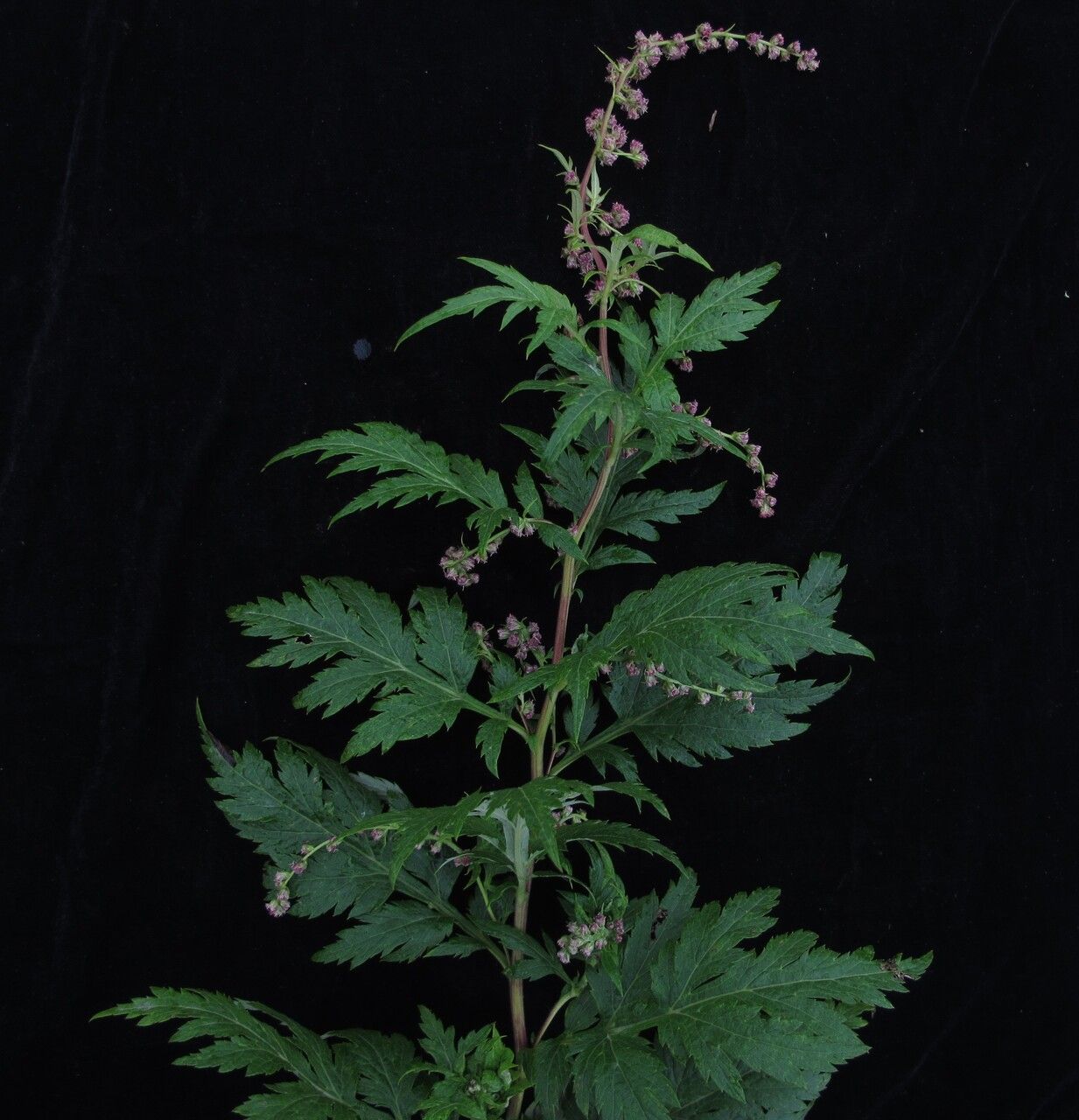
Unleashing the Power of Sagebrush: A Guide to Propagating Artemisia incisa
Artemisia incisa, better known as wild sagebrush or cutleaf wormwood, is a hardy and aromatic shrub prized for its silvery foliage and ecological importance. This remarkable plant thrives in challenging conditions, lending a touch of rugged beauty to gardens and landscapes. While finding Artemisia incisa in nurseries might be a hit or miss, propagating it yourself is a rewarding experience, allowing you to cultivate this captivating species and increase its presence in your surroundings.
This guide will delve into the two most effective methods for propagating Artemisia incisa – seed propagation and stem cuttings.
Method 1: Seed Propagation
- Timing is Key: Begin sowing Artemisia incisa seeds indoors approximately 6-8 weeks before the last expected frost in your region.
- Sowing the Seeds: Use a well-draining seed starting mix and sprinkle the seeds on the surface. Don’t bury them – these seeds need light to germinate. Mist the soil surface gently and cover the tray with a plastic dome or humidity dome to retain moisture.
- Germination: Place the tray in a warm location with bright, indirect light. Germination usually takes 10-21 days.
- Transplanting: Once the seedlings have developed a couple of sets of true leaves, transplant them into individual pots filled with well-draining soil. Gradually acclimate them to outdoor conditions before planting them in their permanent location after the last frost.
Method 2: Stem Cuttings
- The Right Timing: Take cuttings in the late spring or early summer when the plant actively grows.
- Selecting Cuttings: Choose healthy, non-flowering stems that are about 4-6 inches long. Make a clean cut just below a leaf node.
- Prepare the Cuttings: Remove the lower leaves from the cutting, leaving only a few leaves at the top. You can dip the cut end in rooting hormone powder to encourage faster root development, although it’s not strictly necessary.
- Planting the Cuttings: Insert the prepared cutting into a pot filled with a well-draining rooting medium, such as a mixture of perlite and peat moss.
- Creating a Humid Environment: Cover the pot with a plastic bag or humidity dome to maintain moisture and humidity.
- Rooting and Growth: Place the cutting in a bright location, out of direct sunlight. Roots should develop in 4-6 weeks. Once you see new growth, you can transplant the cutting into a larger pot or directly into your garden.
Tips for Success:
- Well-Draining Soil: Artemisia incisa requires excellent drainage to prevent root rot.
- Sun-Kissed Location: Choose a location that receives at least six hours of sunlight daily.
- Minimal Watering: Water deeply but infrequently, allowing the soil to dry out between waterings. These plants are drought-tolerant once established.
- Pruning for Shape: Regular pruning helps maintain the desired shape and prevents the plant from becoming leggy.
By following these simple steps, you can successfully propagate Artemisia incisa and enjoy the beauty and fragrance of this remarkable plant in your own space. Whether starting from seed or cuttings, you’ll be playing a role in promoting this beneficial species and adding a touch of the wild to your landscape.