
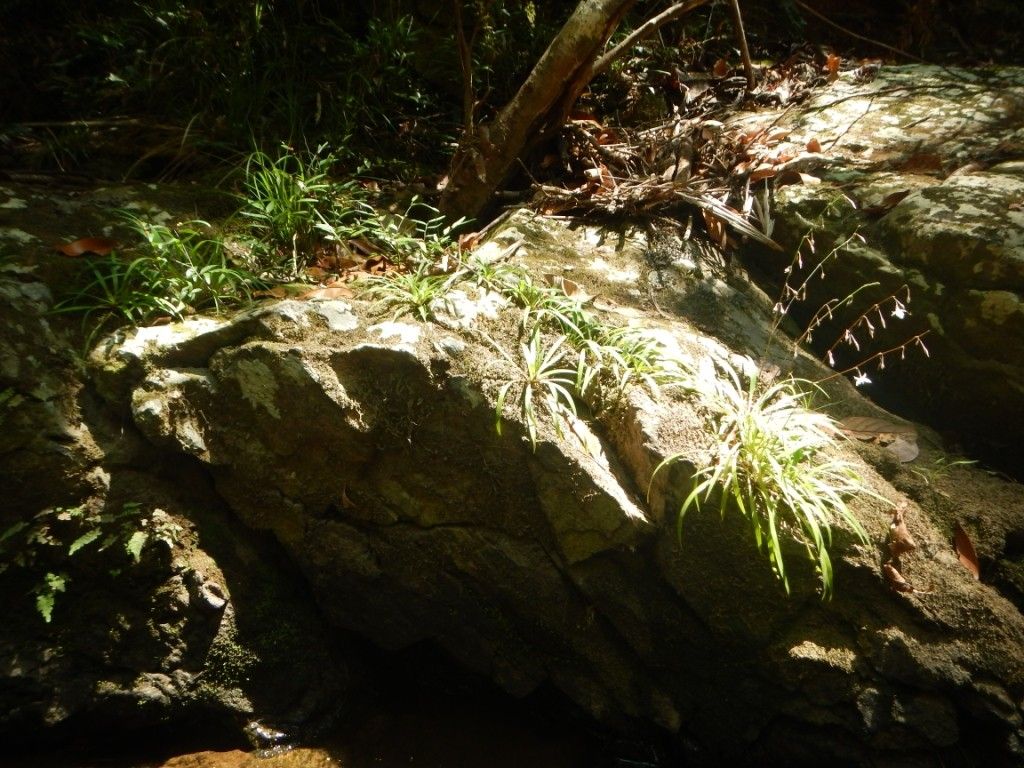
Propagating Arthropodium neocaledonicum: A Gardener’s Guide
Introduction
Arthropodium neocaledonicum, also known as the New Caledonia Arthropodium, is a captivating herbaceous perennial prized for its elegant, arching foliage and delicate, star-shaped flowers. Native to New Caledonia, this plant boasts a graceful presence in gardens, making it a sought-after addition for plant enthusiasts. Its relatively slow growth, however, coupled with its limited availability, makes propagation a significant area of interest for gardeners. This article explores various propagation methods for Arthropodium neocaledonicum, weighing their challenges and rewards.
Seed Germination
Currently, there are no known reliable methods for seed germination propagation of Arthropodium neocaledonicum. While the plant does produce seeds, germination rates are reportedly extremely low, and consistent success has not been documented in the horticultural literature. Further research into specific germination requirements, including potential stratification techniques or hormonal treatments, is needed.
Cuttings
Propagating Arthropodium neocaledonicum from cuttings presents moderate challenges but offers reasonable rewards.
Challenges: Root development from stem cuttings can be slow and inconsistent. The success rate is dependent on factors like the age and health of the parent plant, the timing of the cutting, and maintaining optimal humidity and temperature.
Practical Tips: Softwood or semi-hardwood cuttings taken in spring or early summer have the highest potential for success. Use a sharp, clean blade to take cuttings approximately 10-15cm long, removing lower leaves to prevent rot. Dip the cut ends in a rooting hormone before planting in a well-draining, moisture-retentive medium like a perlite and peat moss mix. Maintain high humidity using a propagator or covering with a plastic bag.
Rewards: Cuttings offer a relatively straightforward method for increasing the number of plants, preserving the genetic characteristics of the mother plant. It’s an effective way to propagate a particular cultivar.
Division
Division is arguably the most successful and reliable method for propagating Arthropodium neocaledonicum.
Challenges: This method requires an established, mature plant, limiting its applicability to those who already possess one. Care must be taken to avoid damaging the delicate roots during division.
Practical Tips: Division is best carried out in spring or autumn. Carefully dig up the mature plant and gently separate the clumps, ensuring each division has healthy roots and several shoots. Replant the divisions immediately, ensuring they are positioned at the same depth as before. Water thoroughly but avoid overwatering.
Rewards: This method offers a high success rate and provides a relatively quick increase in the number of plants. It’s ideal for preserving the existing genetic material of plants with desirable characteristics.
Tissue Culture
Tissue culture offers the potential for large-scale propagation of Arthropodium neocaledonicum, but it’s a specialist technique demanding significant expertise and equipment.
Challenges: Establishing sterile conditions, selecting appropriate culture media, and managing the various stages of tissue culture require specific knowledge and laboratory facilities. This method is not suited for home propagators. Costs and complexity considerably outweigh the rewards for the amateur.
Practical Tips: This method necessitates a sterile laboratory environment, specialized media, and expertise in plant tissue culture techniques. Consult with a tissue culture laboratory for guidance.
Rewards: Tissue culture allows for rapid mass propagation of genetically identical plants, ideal for commercial production or conservation purposes.
Conclusion
Propagating Arthropodium neocaledonicum presents unique challenges, with seed propagation proving unreliable. Cuttings offer a moderate degree of success, while division provides a reliable method, albeit requiring an established plant. Tissue culture presents the most efficient option for large-scale propagation but is not accessible to the average gardener.
The reward for successfully propagating this stunning plant lies in the beauty it brings to the garden and the satisfaction of overcoming the challenges inherent in its cultivation. By selecting the appropriate approach based on your skill level and resources, and by diligently following the relevant tips, aspiring propagators can enjoy the exquisite New Caledonia Arthropodium in their own gardens. Remember patience is key; this is a plant that rewards the dedicated gardener.