Propagating River Cane (Arundinaria tecta): A Gardener’s Guide
Introduction:
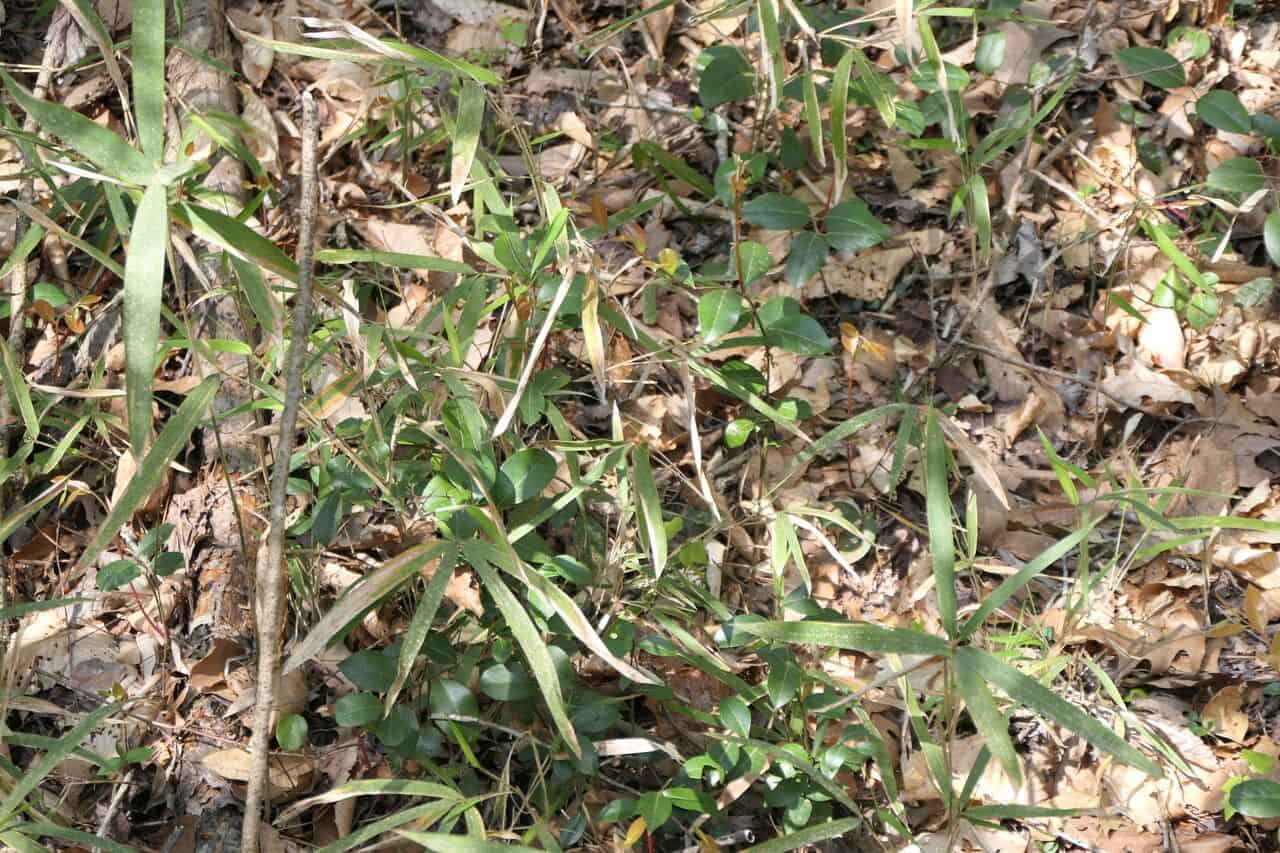
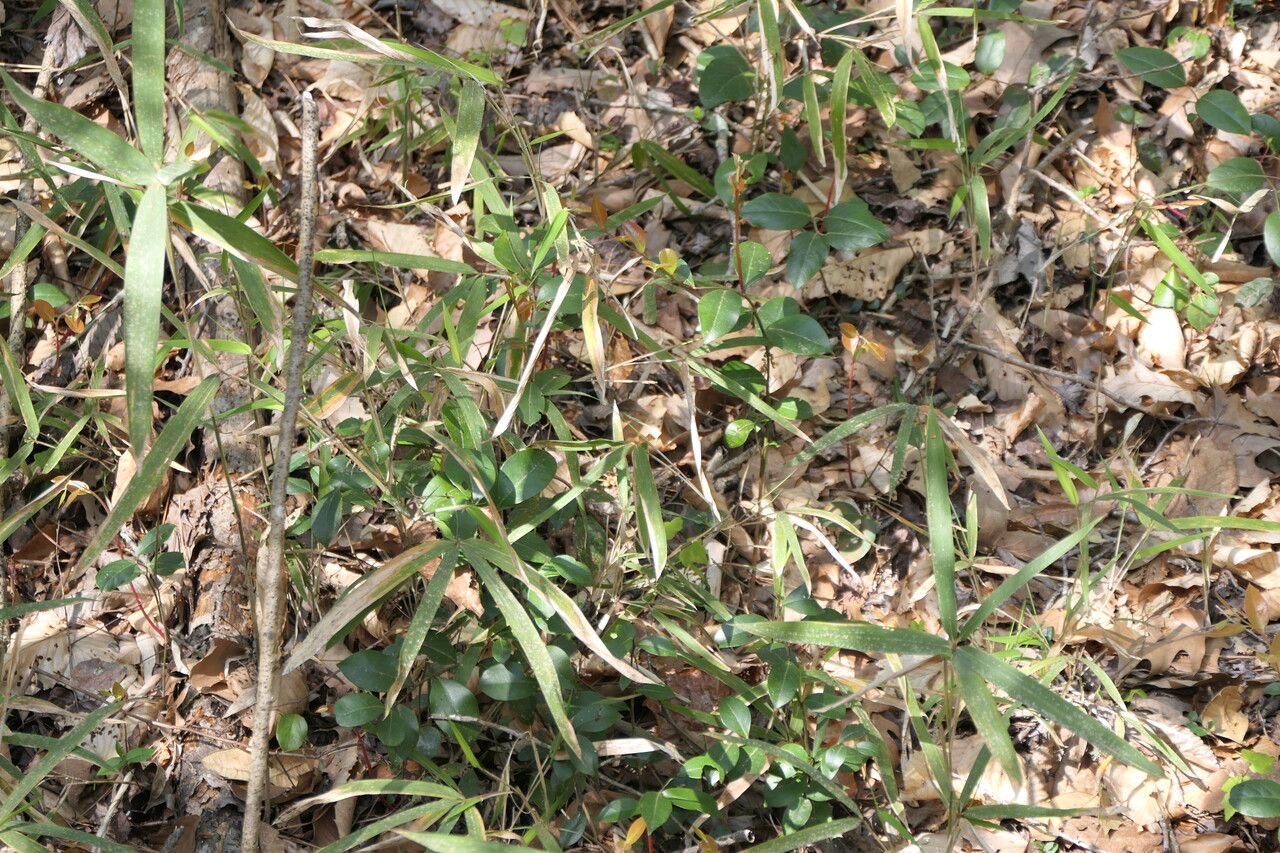
Arundinaria tecta, commonly known as River Cane, is a native North American bamboo species prized for its graceful, clumping habit and its crucial role in wetland ecosystems. Its vibrant green culms (stems) create striking visual interest in gardens, contributing to a naturalistic, almost wild aesthetic. While its relatively slow growth compared to some other bamboo species makes it a manageable choice for smaller gardens, propagating River Cane can present unique challenges. Its popularity stems from its hardiness, its ability to tolerate a range of conditions, and its ecological importance. However, unlike some bamboos, River Cane’s propagation doesn’t rely solely on rampant rhizome growth, leading to the need for a multi-pronged approach.
Seed Germination:
Currently, there are no known reliable methods for seed germination propagation of Arundinaria tecta. River Cane seed production is notoriously unreliable, with seeds often exhibiting low viability, even under ideal conditions. Further research into specific germination requirements might yield future successes, but currently, this method is not practical for widespread propagation.
Cuttings:
Cuttings offer a moderately successful method for propagating River Cane.
- Challenges: Success rates can vary depending on the timing and technique. Using older, more mature culms is generally recommended, as younger culms are more prone to rotting before rooting.
- Practical Tips: Take cuttings in late spring or early summer from healthy, one-year-old culms. Cuttings should be approximately 6-12 inches long, with several nodes included. The lower leaves should be removed to prevent rotting. Dip the cut ends in rooting hormone to promote root development. Plant the cuttings in a moist, well-draining potting mix, maintaining consistently high humidity (e.g., using a humidity dome or plastic bag). Provide bright, indirect light.
- Rewards: This is a relatively straightforward method, relatively inexpensive, and produces genetically identical plants to the parent.
Division:
Division is the most reliable and commonly used method for propagating River Cane.
- Challenges: This method requires an established, mature clump of River Cane. Improper division can damage the plant, resulting in poor establishment or even plant death. It also limits the number of plants that can be produced from a single clump.
- Practical Tips: The best time to divide River Cane is in early spring or late autumn. Carefully dig up the entire clump, ensuring you don’t damage the rhizomes. Divide the clump into sections, each with multiple healthy culms and an attached portion of rhizome. Replant the divisions immediately in well-prepared soil, ensuring adequate spacing. Water thoroughly after planting.
- Rewards: This yields the highest success rate, creating multiple plants from a single parent. The process is also relatively quick, compared to cuttings.
Tissue Culture:
Tissue culture presents a potential route for large-scale propagation of River Cane.
- Challenges: Tissue culture requires specialized equipment, sterile conditions, and a significant level of technical expertise. It is also an expensive method and is not typically feasible for home gardeners.
- Practical Tips: This method involves sterilizing small sections of plant tissue (meristems) and culturing them on a nutrient-rich agar medium. This process, under controlled conditions, should lead to the development of plantlets, which can then be acclimatized to greenhouse conditions and eventually transplanted. This is best left to professional nurseries or research facilities.
- Rewards: Tissue culture offers the potential for mass propagation, the elimination of diseases, and consistent production of genetically identical plants.
Conclusion:
Propagating Arundinaria tecta presents challenges across all methods discussed. Seed germination is currently impractical, cuttings offer a moderate level of success, division is the most reliable, and tissue culture remains a specialized, large-scale operation. While the relatively slow growth and limited seed viability might initially seem daunting, the rewards of successfully nurturing this beautiful and ecologically vital plant are immense. The unique satisfaction derived from witnessing a tiny cutting develop into a robust clump, or from successfully dividing a mature plant into multiple thriving specimens, is a testament to the gardener’s patience and skill. For the home gardener, focusing on division and carefully managed cuttings offers the best chances for success. Don’t be discouraged by initial setbacks—persistence and careful attention to detail are key to mastering the art of River Cane propagation.