
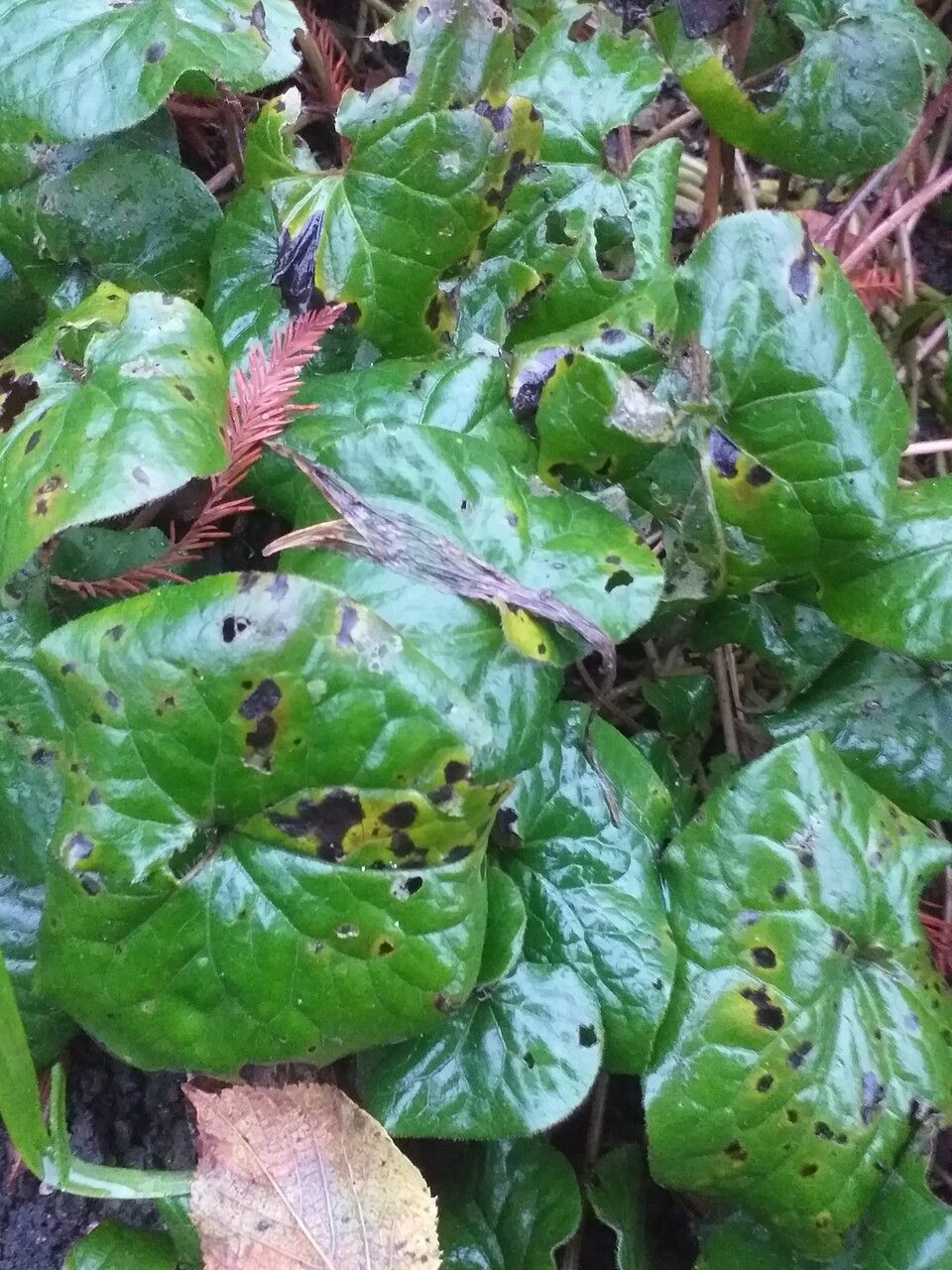
Unlocking the Secrets of Asarum lemmonii: A Propagation Primer for Gorgeous Ground Cover
Asarum lemmonii, also affectionately known as the Western Ginger or Lemon Ginger, is a sight to behold. With its striking, heart-shaped foliage, deep green hues sometimes splashed with silver, and its peculiar but captivating brownish-purple flowers, it’s the evergreen groundcover that can transform any shady corner into a woodland wonderland.
But like any treasure worth having, establishing a thriving patch of Asarum lemmonii requires a bit of knowledge. While purchasing established plants is an option, propagating your own offers a rewarding (and economical!) journey into the world of plant parenthood.
Embracing the Slow and Steady: Division vs. Seed
Unlike some plants that sprout with wild abandon, Asarum lemmonii prefers a more leisurely approach. Here are the two main paths you can take:
1. Division: The Go-To Method
- Timing is Key: Late spring or early fall, when the soil is cool and moist, offers the perfect conditions for dividing your Asarum lemmonii.
- Gentle Hands: Carefully dig up a healthy, mature plant, ensuring you get a good root system. Look for natural divisions where the rhizomes (underground stems) have formed clumps.
- Divide and Conquer: Use a sharp knife or garden shears to separate the rhizomes, making sure each section has healthy roots and at least two leaves attached.
- Replant with Care: Choose a shady spot with well-drained, humus-rich soil. Plant your divisions about 1 foot apart, ensuring the rhizomes sit just below the soil surface. Water them in thoroughly and mulch to maintain moisture.
2. Seed: A Test of Patience
- The Long Game: Be prepared to wait, as seeds can take a year or more to germinate!
- Fresh is Best: Collect seeds from your existing plants in late spring or early summer. Look for the small, fleshy capsules hidden beneath the foliage.
- Sowing Time: Plant seeds in the fall, either directly outdoors in prepared beds or in pots filled with seed-starting mix.
- Embrace the Cold: Asarum lemmonii seeds need cold stratification, a fancy term for exposure to cold temperatures, to break their dormancy. Don’t worry, winter will take care of this outdoors, or you can mimic the process in your refrigerator.
A Few More Tips for Success:
- Patience is a Virtue: Asarum lemmonii is a slow-growing plant, so be patient and give your new propagations time to establish.
- Moist, but Not Soggy: These plants prefer consistently moist soil but don’t tolerate waterlogged conditions. Choose a well-draining site and water regularly, especially during dry periods.
- Shelter from the Sun: Direct sun can scorch their delicate leaves. Opt for a shady spot under trees or on the north side of your house.
With a bit of care and understanding, you can successfully propagate your own Asarum lemmonii, expanding your groundcover and enjoying the unique beauty of this woodland gem for years to come. Remember, the most satisfying gardens are often grown with a little bit of love and a lot of patience.