
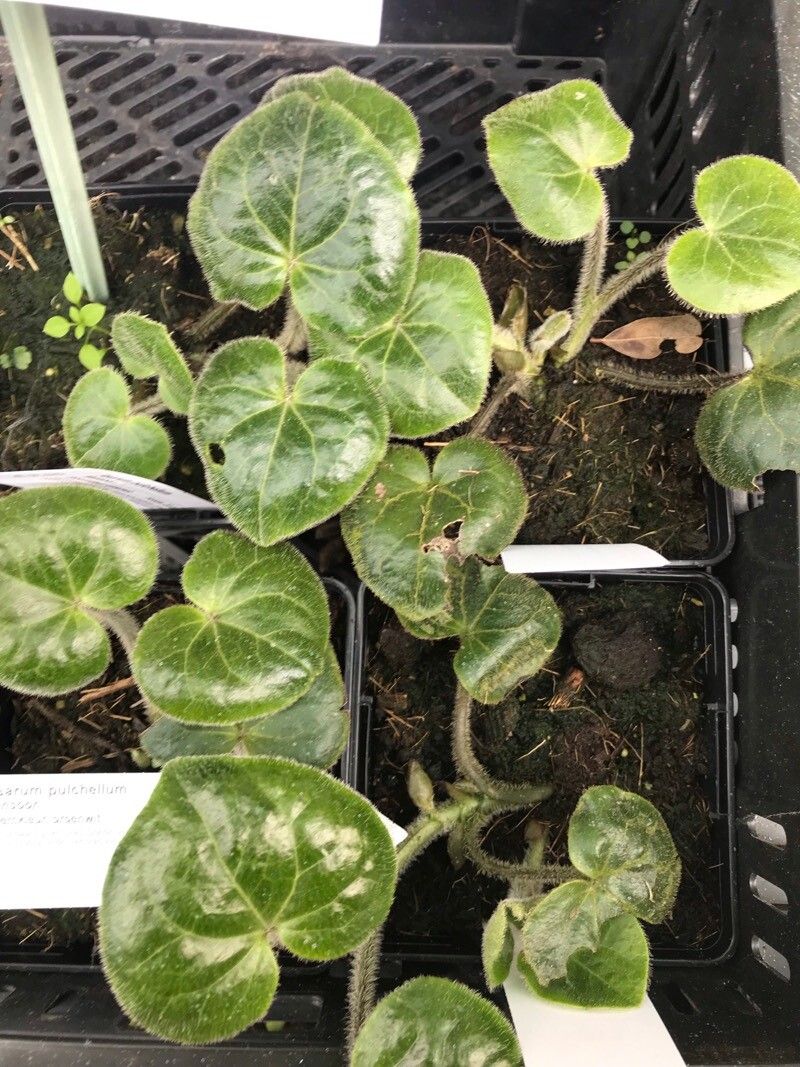
Propagating Asarum pulchellum: Unlocking the Secrets of the Beautiful Wild Ginger
Asarum pulchellum, also known as the beautiful wild ginger, is a captivating groundcover prized for its heart-shaped, mottled leaves and intriguing, maroon-brown flowers nestled close to the ground. Its understated elegance and tolerance of shade make it a popular choice among gardeners seeking low-maintenance, woodland-style plantings. However, its propagation presents unique challenges, making successful cultivation all the more rewarding. This article explores various propagation methods for Asarum pulchellum, weighing their viability and offering practical advice.
Seed Germination:
Currently, there are no known reliable methods for seed germination propagation of Asarum pulchellum. While seeds are produced, germination rates are extremely low and unpredictable, even under carefully controlled conditions. Further research is needed to identify optimal germination techniques.
Cuttings:
Propagating Asarum pulchellum from cuttings is also unreliable. Experiments with stem cuttings and leaf-bud cuttings have shown very low success rates. The inherent difficulty lies in the plant’s slow growth and its tendency to rot before rooting can occur. Even with the use of rooting hormones and humidity domes, success is inconsistent.
Division:
Division is the most reliable and practical method for propagating Asarum pulchellum. This involves carefully separating established clumps into smaller sections, each containing several healthy stems and roots.
Challenges: The main challenge lies in ensuring each division has a robust root system to support its establishment. Forcing a division that is too small may lead to failure.
Practical Tips: The best time to divide Asarum pulchellum is during spring or autumn. Dig up the entire clump carefully, avoiding damage to the roots. Use a sharp knife or spade to separate the clump into smaller divisions, each with at least 3-5 stems and a good root mass. Replant immediately, ensuring adequate spacing and well-draining soil. Gentle watering is crucial to avoid root rot in the initial establishment period.
Rewards: Division offers a high success rate, producing healthy, rapidly growing plants that are genetically identical to the parent plant. This method is ideal for quickly increasing the number of plants in a garden.
Tissue Culture:
Tissue culture offers a potential but currently unexplored avenue for propagating Asarum pulchellum. This sophisticated laboratory technique involves growing plantlets from small pieces of tissue in a sterile environment.
Challenges: The establishment of appropriate tissue culture protocols for Asarum pulchellum requires specialized knowledge and facilities, making it a costly and complex undertaking. Further research is needed to optimize media composition and culture conditions for successful propagation.
Practical Tips: This method is best left to experienced tissue culture specialists.
Rewards: Tissue culture offers the possibility of mass propagation and the potential for disease-free plants.
Conclusion:
Propagating Asarum pulchellum presents unique challenges, with division proving to be the most reliable method for the home gardener. While seed germination and cuttings are currently unreliable, and tissue culture remains largely unexplored, the rewards of successfully cultivating this beautiful plant are significant. The patience and care required make the eventual flourishing of these delicate plants particularly satisfying. Aspiring propagators are encouraged to focus on division as a starting point and to embrace the learning process. The subtle artistry involved in coaxing new growth from this woodland gem makes the journey as rewarding as the destination.